






Summary
Yes, for a day or several, even though the city isn't running dry. In August 2026, highway works on the main lines from the San Francisco tank cut water to 142 neighborhoods, about 40% of Puerto Vallarta, according to SEAPAL, the city water utility.
Supply itself is growing: SEAPAL produced 20.77 million cubic meters of drinking water in the first half of 2026, 4.9% more than a year earlier, and reported about 98% continuous coverage in May.
The weak point is moving the water around. In the latest episode, SEAPAL crews needed more than 72 hours to stabilize the network and trucked more than 4 million liters to the worst-hit areas.
Inside a condo, what decides whether the taps run dry is the building's own cistern and pumps. Two 40-unit buildings on the same street can live the same 36-hour cut very differently.
Hillside buildings refill last when pressure drops, so in Amapas or Conchas Chinas, storage and pumping matter even more.
Versalles has its own problem this autumn: on October 5, 2026, SEAPAL said two pumps damaged by solids at the Norte I treatment plant contributed to sewer backups there.
Aim for 2 to 3 days of usable water at peak occupancy. A 100,000-liter cistern lasts 5 days at 20,000 liters a day, but only 2 days at 50,000.
Hurricane Simón passed as a Category 3 storm on October 11, 2026, about 45 miles south of Cabo Corrientes. No major damage was reported in the city, but it's a reminder that SEAPAL and Protección Civil suggest keeping up to 72 hours of water.
The long-term picture is tighter. About 85% of the city's water comes from wells, and CONAGUA puts the aquifer's annual availability at about minus 5.1 million cubic meters.
The city is adding supply: new vertical galleries added about 120 liters per second, and continuous coverage rose from about 93% at the end of 2024. Meanwhile, the Bay Report counts 1,534 new homes due on the bay by 2028.
Tourism makes it worse at the wrong moment: when a building full of renters refills its cistern at the same time as everyone else, recovery slows.
A SEAPAL approval doesn't guarantee water years later, and water trucks once in an exceptional outage are fine; trucks every month are a red flag.
Our take: ask for the cistern volume in liters, the building's real monthly use, the pump and generator setup, the last 24 months of water-truck invoices and the HOA minutes. If nobody can give you those, assume the building runs dry first.

Is Puerto Vallarta actually running out of water?
No, not citywide. The city is producing more water than last year; the trouble is getting it to every building.
SEAPAL produced 20.77 million cubic meters of potable water during the first half of 2026, according to figures released by the utility. Average production reached 1,328 liters per second, up 4.9% from 1,266 liters per second during the same period a year earlier.
That's about 114.7 million liters a day, shared between homes, hotels, restaurants and leaks in the network. A city whose output is rising is not a city whose sources are drying up.
Service data say the same. SEAPAL reported continuous supply in nearly 98% of the city in May 2026, one of the driest months, with more than 340 neighborhoods and subdivisions getting water around the clock. June stayed close to 97%.
So the problem is narrower and more annoying: pipes, tanks and pumps that fail, and leave whole groups of buildings dry for days.
How can 40% of Puerto Vallarta lose water if the city has enough?
Puerto Vallarta can produce enough water overall and still have a huge outage when a critical pipe, tank or pumping route goes offline.
That happened again and again in 2026 during work for the Puerto Vallarta-Las Varas highway. One phase cut service to 136 neighborhoods and subdivisions, an emergency repair hit 139, and in August SEAPAL warned the next phase would hit 142 neighborhoods, about 40% of the city.
These weren't small leaks. The work was on the 24- and 36-inch lines feeding the San Francisco tank, so the effect spread far beyond the construction site.
Recovery dragged on too. After the highway contractor ran past the planned work window, SEAPAL crews spent more than 72 continuous hours helping restore and stabilize the system. Even once most neighborhoods had water again, the utility warned that low pressure and temporary interruptions could continue while tanks refilled.
A few days later, SEAPAL reported having delivered more than 4 million liters by tanker during the contingency, with hospitals, health centers and harder-hit neighborhoods receiving priority.
The water existed; the network just couldn't move it to where people were. In August, a Jalisco state deputy, Yussara Canales, asked SEAPAL to waive this year's water and sewer bills in the affected neighborhoods, naming Versalles, Zona Romántica and La Floresta among them, according to La Crónica. No decision has been reported.
| Recent disruption | Area affected | What happened | What buyers can learn |
|---|---|---|---|
| First highway-line phase | 136 neighborhoods | Major line relocation | One trunk-line project can affect a large area |
| Emergency repair | 139 neighborhoods | Supply line needed urgent work | Unplanned problems can extend an interruption |
| Second major phase | 142 neighborhoods, about 40% of city | Multiple large-pipe interconnections | Distribution remains a real concentration risk |
| Recovery period | Large parts of north Puerto Vallarta | Tanks and pressure needed time to stabilize | Water does not return everywhere at the same time |
| Emergency tanker response | More than 4 million liters delivered | Pipas supplied harder-hit zones | Some outages can outlast normal household reserves |
Can a Puerto Vallarta condo really end up with completely dry taps?
Yes, a Puerto Vallarta condo can absolutely end up with no water at the faucet if its stored supply runs out or its private pumping system fails.
Most condo buildings have a buffer between SEAPAL's network and the apartment itself. Municipal water usually fills a cistern, aljibe, tinaco or similar storage system, and pumps then move that water through the property.
When municipal supply stops, residents begin drawing down the stored reserve. A well-prepared building may continue normally for a day or two without anyone noticing much. A building with limited storage and heavy occupancy can empty much faster.
Pumps create another vulnerability. A high-rise may have plenty of water sitting downstairs while upper-floor apartments have little or no pressure because a booster pump, control system or electrical supply has failed.
So "the building has a cistern" is only half an answer. You want to know how much usable water it holds, how fast the building uses it, how water reaches the upper floors and what happens when a pump loses power.
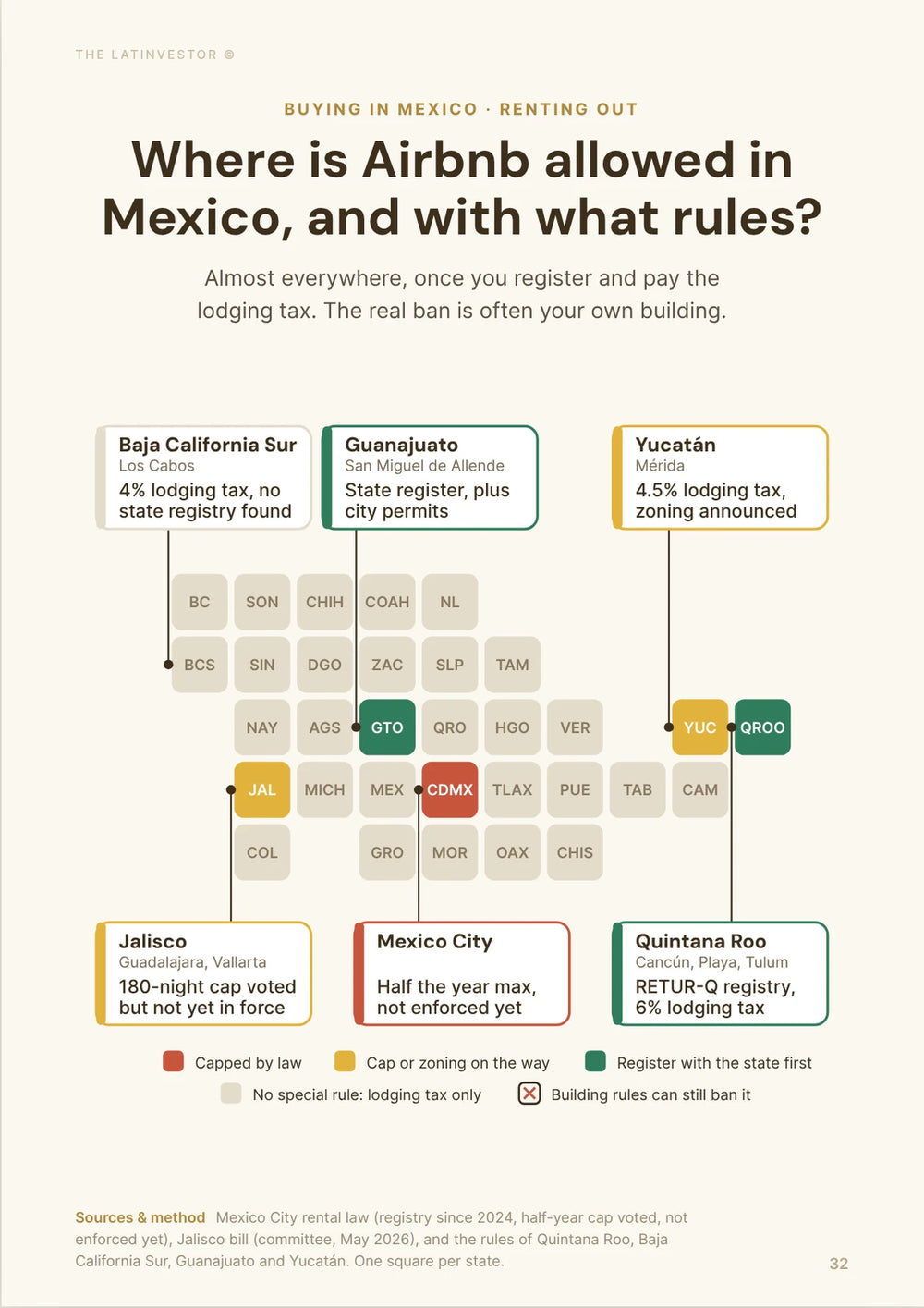
Why can one Puerto Vallarta condo have water while the building next door does not?
Two Puerto Vallarta condos on the same street can experience the same SEAPAL outage completely differently because each building controls its own storage, pumping and consumption.
Take two 40-unit buildings during a 36-hour interruption. One keeps enough usable water for roughly three days and cuts irrigation or pool refilling when municipal service stops. The other has less than a day of practical reserve and happens to be full of short-term renters.
The first building may never lose water inside the apartments. The second can be dry before SEAPAL restores normal pressure.
Maintenance creates another gap. One condominium may have redundant pumps, a generator and a manager watching cistern levels. Next door, a single aging pump can turn a manageable municipal interruption into a full building outage.
Neighborhood reputation helps, but we'd trust a building's real history much more than "this area usually has water."
Are hillside condos in Puerto Vallarta more likely to have water problems?
Yes, hillside Puerto Vallarta condos generally deserve more scrutiny because low network pressure and elevation make water delivery harder.
SEAPAL's own outage notices repeatedly distinguish between lower and higher areas. During a recent interruption affecting the north of the city, recovery was expected to start in lower neighborhoods first, while the upper parts of El Pitillal were scheduled to regain water later.
That does not mean condos in Amapas, Conchas Chinas or other elevated zones constantly lose water. Many expensive hillside developments compensate with large cisterns, pressure systems and backup generators.
But elevation removes some margin for error. For a hillside condo, we would ask more detailed questions about storage and pumping than we would for a low-rise property sitting close to a strong municipal pressure zone.
What's going on with water and sewers in Versalles?
Versalles has had a rough year on both sides of the pipe, so check a building there more carefully than elsewhere.
On October 5, 2026, SEAPAL said two pumps at the Norte I treatment plant had been damaged by solids, which contributed to sewage backing up in Versalles during the rains. It brought in a temporary pump and suction trucks, and said things would improve once the two pumps were repaired and the rain eased. Versalles was also on the list of neighborhoods named in the August request to waive water bills after the supply cuts.
The bigger story is density. Versalles went from a grid of houses to dozens of new towers in a few years, on pipes and drains that were laid for houses. That doesn't mean every tower is a problem, but it does mean the building's own cistern, pumps and connection matter more here.
What to do: ask the HOA or developer how many days the cistern covers at full occupancy and whether the building bought water trucks during the August cuts. In a new tower, ask for SEAPAL's feasibility approval and the drainage connection paperwork. For a rental, search the building's guest reviews for "water" and "smell", and talk to a neighbor, not only the agent.
How much water storage should a Puerto Vallarta condo have?
A Puerto Vallarta condo should ideally be able to operate for roughly two to three days without normal municipal supply, especially if the property sits high on a hill or has heavy vacation-rental occupancy.
Puerto Vallarta's construction rules require certain larger residential developments, buildings of five stories or more, and properties in low-pressure areas to include storage equal to twice their minimum daily potable-water requirement, along with pumping equipment.
SEAPAL has also become increasingly explicit about emergency reserves. Earlier guidance suggested at least 24 hours of normal household storage, while Protección Civil recommendations cited by the utility call for reserves of up to 72 hours because Puerto Vallarta faces hurricanes, earthquakes and power interruptions as well as water-system repairs.
Recent events make 72 hours look less excessive than it might sound. A planned shutdown may last around one day, yet tanks and network pressure can take considerably longer to return to normal. SEAPAL specifically noted that households with adequate storage were able to maintain service during one major 24-hour interruption.
The useful calculation is simple: usable cistern volume divided by actual daily consumption. A 100,000-liter cistern means five days of reserve in a building using 20,000 liters per day, but only two days at 50,000 liters per day.
Peak occupancy is the number we care about most. A tank sized around quiet-season consumption can look generous until every rental unit fills up.
| Water-storage question | Strong setup | Weak setup | Why it matters |
|---|---|---|---|
| Usable reserve | Around 2-3 days or more | Under 1 day | Gives the building time during larger outages |
| Consumption data | Building tracks actual daily/monthly use | Management does not know | Tank size alone tells us little |
| Peak-season capacity | Reserve calculated at high occupancy | Based on quiet months | Vacation rentals can change consumption sharply |
| Pumping | Redundant maintained pumps | One critical pump | Stored water still has to reach apartments |
| Backup electricity | Pumps covered by generator | Pumps lose power with grid | A blackout can become a water outage |
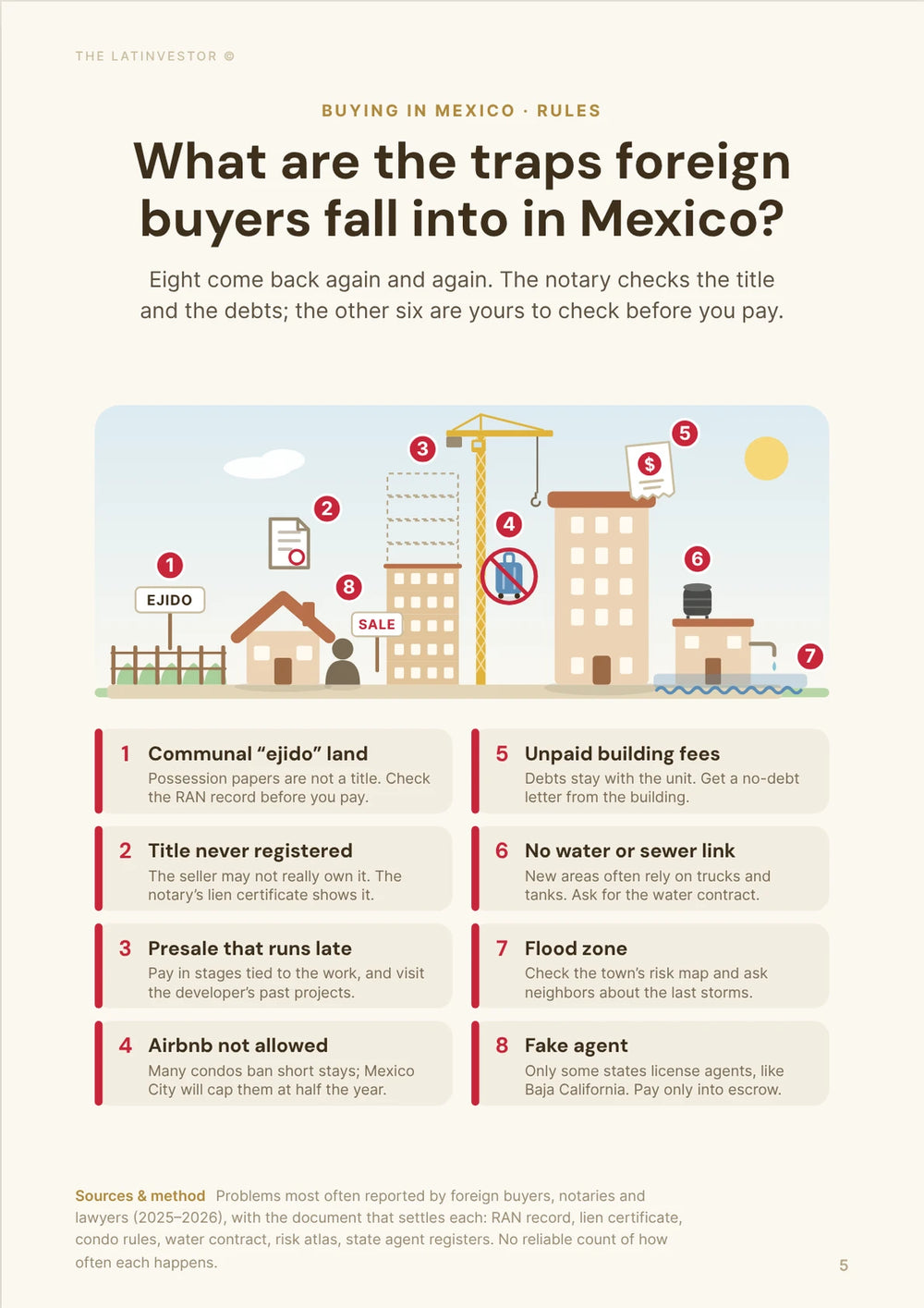
Did Hurricane Simón leave Puerto Vallarta condos without water?
Not as far as we can tell: Simón passed close but missed the city, and we found no report of a citywide water or power cut. It was still a useful stress test.
Simón came by as a Category 3 hurricane on October 11, 2026, with its eye about 45 miles south of Cabo Corrientes, the southern tip of the bay, according to AP. The boardwalk was closed and part of one hotel evacuated. By 7 a.m. on October 12, authorities reported no overflowing rivers and no victims in the city, Uno TV reported, and the airport reopened on October 13.
The weak link in a storm is power. A building with a full cistern but no generator on its pumps has no water above the ground floor during a blackout. In the August request to waive water bills, the state deputy said about 70 neighborhoods had cuts linked to power failures this year.
What to do: ask whether the generator runs the water pumps, not only the elevator and the hallway lights, and when it was last tested. Ask how the building handled Simón: did anyone lose water, and did the HOA pay for any storm repairs? A building that can't answer a question about a storm from this month won't have better answers about the next one.
Is Puerto Vallarta's groundwater already overused?
Yes, Puerto Vallarta's groundwater balance is tight enough that long-term water supply deserves attention, even though the city is currently delivering water to most neighborhoods continuously.
CONAGUA's official study for the Puerto Vallarta aquifer calculates average annual recharge at 86.5 million cubic meters. After accounting for committed natural discharge and the relevant groundwater extraction and concession components, the latest published calculation gives annual availability of roughly negative 5.1 million cubic meters.
A negative availability number does not predict the day Puerto Vallarta's wells will become empty. Aquifers hold enormous volumes of stored groundwater, and CONAGUA's calculation is an annual resource-management balance rather than a countdown clock.
Still, the deficit is hard to ignore because Puerto Vallarta depends heavily on groundwater. SEAPAL says 84.86% of potable-water production during the first half of 2026 came from underground sources. Surface-related sources, filtration galleries and treatment systems supplied the remaining 15.14%.
The aquifer also sits under a long-standing extraction restriction. CONAGUA's technical documentation notes an indefinite groundwater-extraction ban dating back decades across the relevant area.
Our concern is therefore long term rather than immediate. Puerto Vallarta can currently supply the city, but future growth cannot safely assume that another well can always solve the next increase in demand.
| Puerto Vallarta aquifer indicator | Latest official figure | What it means |
|---|---|---|
| Average annual recharge | 86.5 million m³ | Water naturally returning to the aquifer |
| Committed natural discharge | 17.0 million m³ | Recharge that cannot simply be treated as available extraction |
| Calculated annual availability | About -5.1 million m³ | No additional groundwater headroom under CONAGUA's calculation |
| Share of recent SEAPAL production from groundwater | 84.86% | The city remains heavily dependent on wells |
| Surface-related share | 15.14% | Alternative sources now matter, but remain the minority |
Has Puerto Vallarta actually added more water lately?
Yes, Puerto Vallarta has genuinely increased water production, so recent infrastructure spending has already changed the city's short-term position.
SEAPAL's three vertical filtration galleries added around 120 liters per second of capacity when they entered operation. Against today's production level, that addition is roughly equivalent to 9% of the city's average output during the first half of 2026.
The utility has also reperforated wells and replaced pumping equipment. One recent example was Well 17 in Parque Las Palmas, which contributes 22 liters per second to the network. SEAPAL repaired its pumping equipment ahead of the hottest, driest part of the year. Similar work was carried out at Well 25 and the vertical-gallery system.
We can see some result in the aggregate rather than relying only on project announcements. Average production rose 4.9% year over year, while continuous-service coverage reached about 98% during a particularly difficult dry-season period.
That is a meaningful improvement from the roughly 93% service coverage SEAPAL was reporting toward the end of 2024.
Puerto Vallarta still has fragile points in the network, but supply investment is currently improving normal service rather than merely preventing further deterioration.
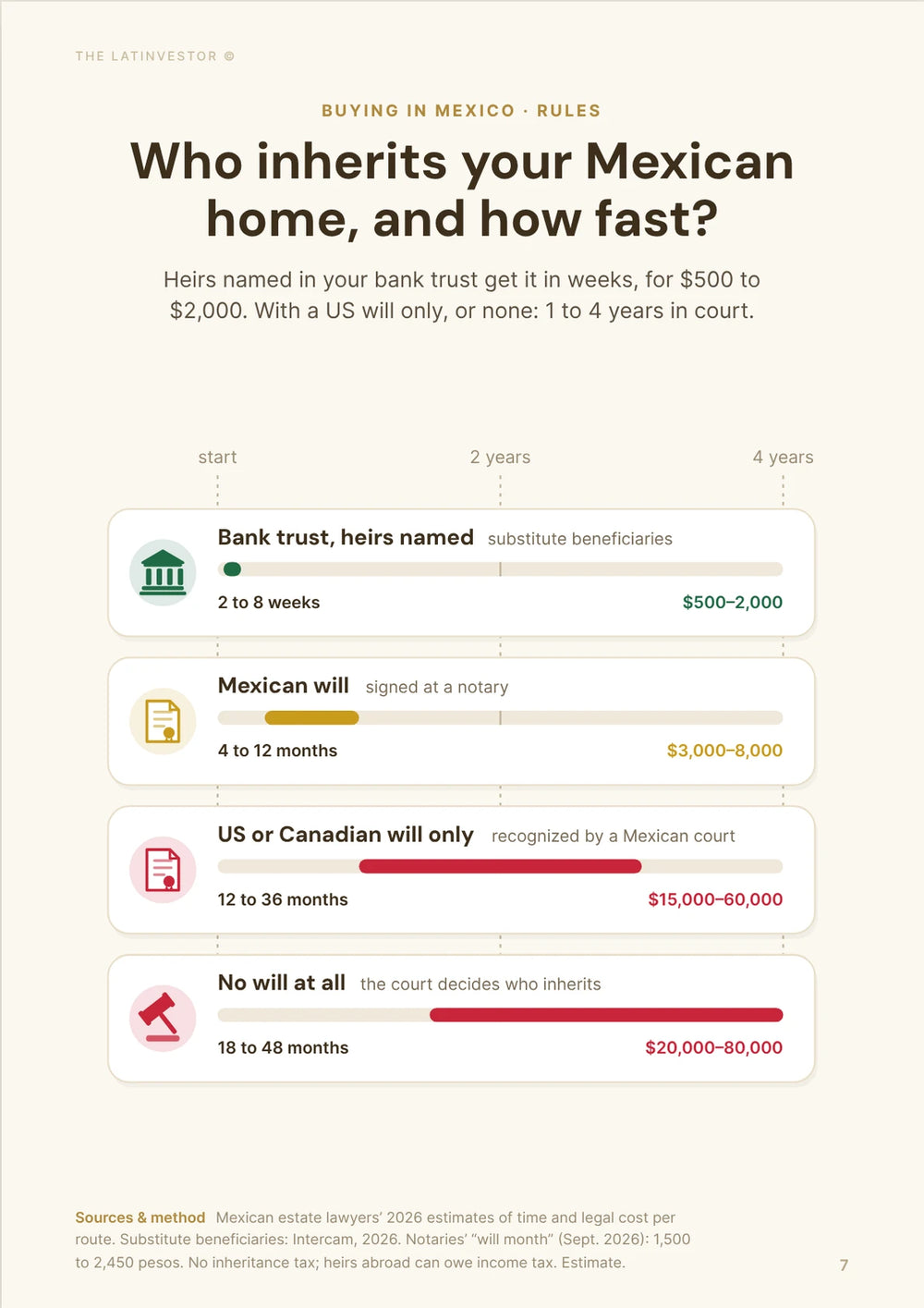
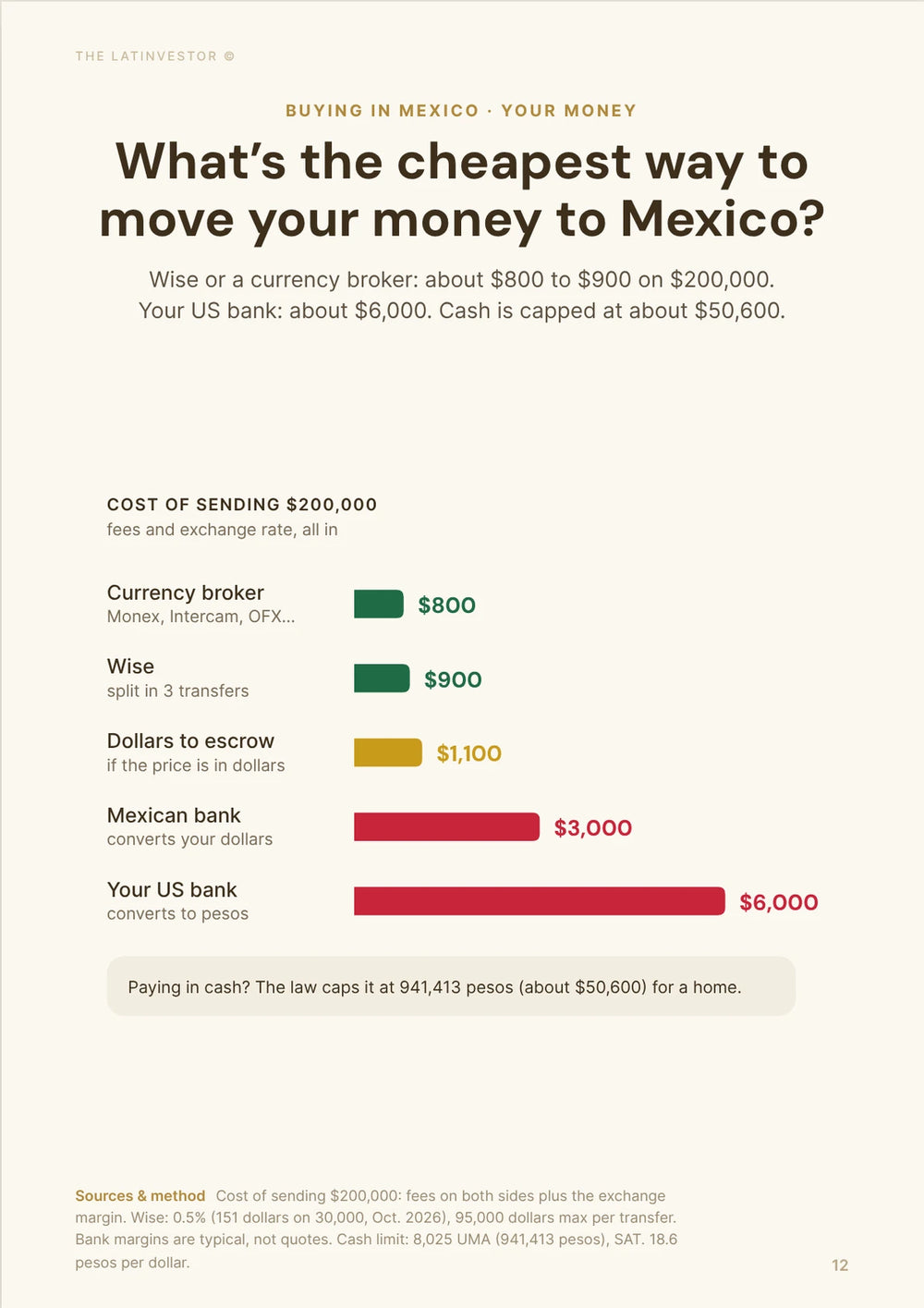
Is tourism making Puerto Vallarta's water shortages worse?
Yes, tourism pushes Puerto Vallarta's water demand higher at exactly the moments when the system has the least room for operational mistakes.
SEAPAL itself points to households, businesses and the tourism sector when explaining why pressure can remain unstable after a major interruption. Once water starts flowing again, thousands of users refill cisterns at the same time, which can empty system tanks almost as quickly as they recover.
The same dynamic appears during major holiday periods. Hotels, vacation rentals and restaurants fill simultaneously, while condo swimming pools, laundry use, showers and cleaning all increase.
Tourism alone does not explain Puerto Vallarta's serious outages. Recent large interruptions were triggered by major pipeline work, repairs and infrastructure problems. Heavy demand then made recovery harder.
So tourism acts as an amplifier. High occupancy can turn a manageable loss of production or pressure into a shortage much faster, especially inside a condo whose private reserve was never sized for near-full short-term-rental occupancy.
Is condo construction growing faster than Puerto Vallarta's water system?
Puerto Vallarta's development boom is putting real pressure on the water system, but current evidence does not show the city simply adding condos while water capacity stands still.
The scale of growth is substantial. Puerto Vallarta's municipal population rose from roughly 256,000 people in 2010 to around 292,000 in 2020, while neighboring Bahía de Banderas grew by more than 50% over the same decade. Tourism adds another large floating population on top of those residents.
Vertical development concentrates the pressure: a parcel that once held a few homes can end up with dozens of apartments, pools and short-term rentals. And more is coming. The Vallarta Seaside Bay Report counts 1,534 new homes due for delivery on the bay by 2028, 607 of them in 2027.
At the same time, SEAPAL has been adding production, rehabilitating wells and replacing major distribution infrastructure. The recent increase in average water output shows that capacity has not remained frozen while Puerto Vallarta grows.
The uncomfortable part is the groundwater balance: the aquifer already shows negative annual availability under CONAGUA's calculation. Continued development therefore requires additional sources, better distribution, lower losses and smarter use of existing water.
We cannot establish from public data that Puerto Vallarta has already crossed a citywide "too many condos" threshold. We can say that the margin for careless development is getting smaller.
Does SEAPAL approval guarantee a Puerto Vallarta condo will always have water?
No, SEAPAL approval does not guarantee uninterrupted water inside a Puerto Vallarta condo after the building opens.
Condominium, hotel, commercial and subdivision projects are required to go through SEAPAL's technical feasibility process. Developments requiring greater flows must meet different technical specifications and pay the relevant incorporation and excess-capacity charges.
A feasibility document cannot guarantee that a pipe will never break ten years later, that municipal pressure will never fall or that a condo board will properly maintain its pumps.
It also says little about how the property behaves under real occupancy. An approved building that later becomes heavily used for short-term rentals may operate differently from the assumptions made when it was designed.
For a resale condo, operating history is therefore more revealing than the existence of the original approval alone.
Which Puerto Vallarta condos have the highest water risk?
The Puerto Vallarta condos we would worry about most combine high elevation, little usable storage, heavy occupancy and weak pump maintenance.
Any one of those is manageable on its own. Stack several and the building is the first to run dry.
A hillside development may need stronger pumps and longer recovery time after low pressure. A small boutique condo may have less storage than a large tower. A vacation-rental-heavy building can consume far more water during holidays than during an ordinary week.
Large modern towers are not automatically risky. Their total consumption can be enormous, but many were designed with large cisterns, multiple booster pumps, generators and professional engineering precisely because they cannot depend on direct municipal pressure.
Older buildings deserve a different check. Their water systems may have worked perfectly when occupancy was lower, yet storage and pump capacity can become inadequate after decades of additions, conversions or increased rental use.
The building's actual combination of features tells us far more than its age or price category.
| Condo setup | Water risk | Main reason |
|---|---|---|
| Large reserve, redundant pumps, backup power | Low | Several layers protect residents |
| Low elevation with good storage | Low to moderate | Easier refill and less pressure stress |
| Well-engineered high-rise | Moderate | Mechanically dependent but designed for it |
| Small property with limited cistern | Moderate to high | Reserve can disappear quickly |
| Hillside building with marginal pressure | High | Refill takes longer |
| Heavy vacation rentals with limited reserve | High | Peak consumption can overwhelm storage |
| Poor pump maintenance | Very high | Private infrastructure can fail even with municipal supply |
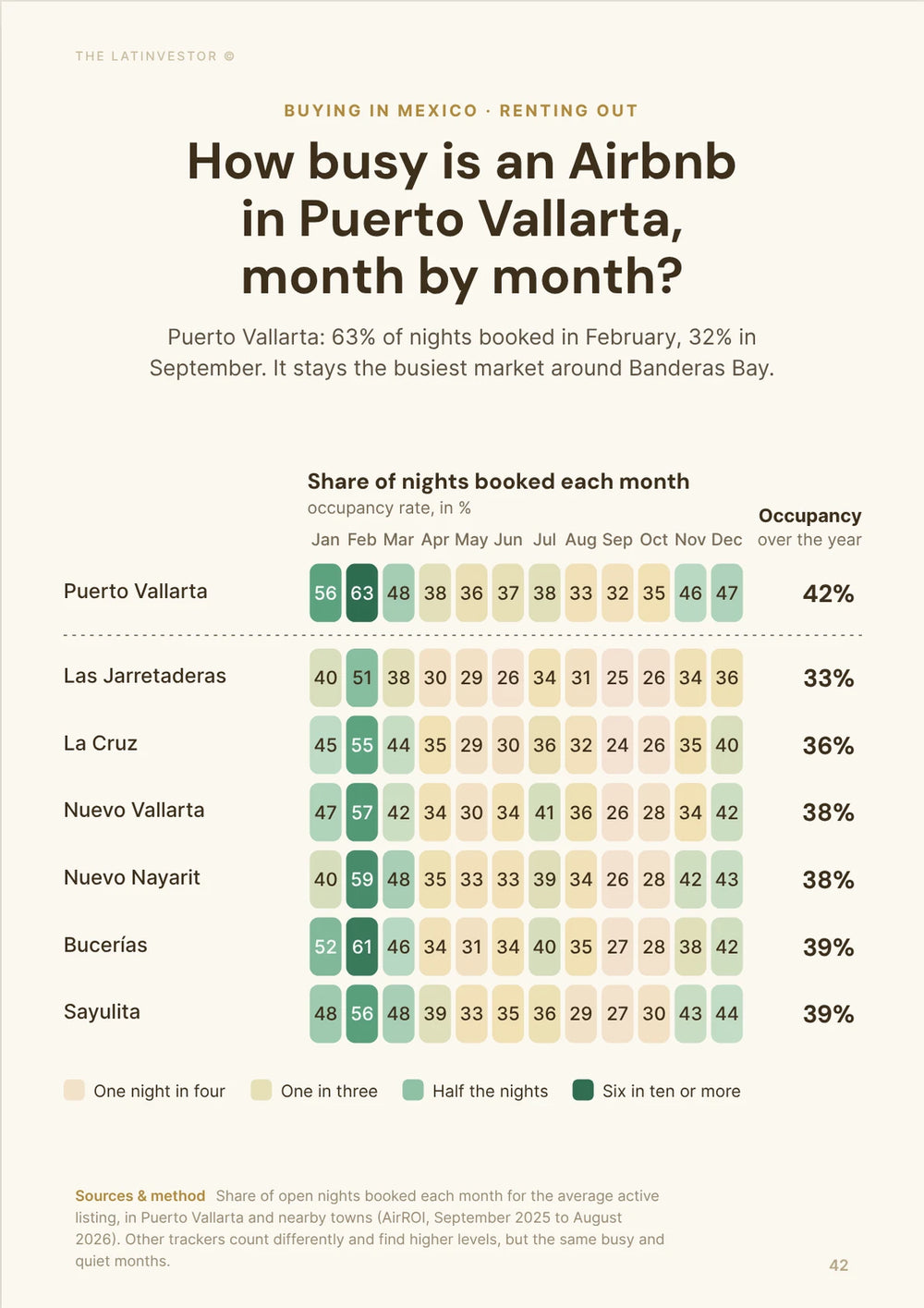
Are water trucks normal for Puerto Vallarta condos?
Occasional tanker deliveries are a reasonable emergency backup in Puerto Vallarta, but repeated dependence on water trucks should make a condo buyer suspicious.
Pipas are part of the city's contingency system. During the most recent major disruption, SEAPAL deployed its own trucks and outside support, eventually delivering more than 4 million liters to affected areas.
Using a tanker once during an exceptional multi-day outage tells us little about the quality of a building. Even a good property can need extra water after a large network failure.
Regular tanker deliveries tell a different story. They may indicate inadequate storage, weak municipal inflow, unusually high consumption or infrastructure that no longer suits the building's use.
This is one of the easiest questions for a buyer to ask because the answer can be concrete: How many pipas did the condominium purchase over the last 12 or 24 months?
A building that cannot produce the invoices, dates or reason for those deliveries deserves a closer look.
What should buyers check before buying a Puerto Vallarta condo?
Before buying a Puerto Vallarta condo, we would want actual storage, consumption and outage records rather than a salesperson saying the building has "never really had a problem."
Start with the cistern. Ask for its usable capacity in liters, then compare that number with the building's real consumption during a busy month. The resulting number of reserve days is far more useful than knowing whether the tank looks large.
Then look at the pumps. We want to know how many exist, whether a backup pump can take over automatically, whether the system is maintained on schedule and whether the property's generator powers the water equipment.
Condo meeting minutes can reveal problems that a listing never will. Repeated discussions about low pressure, pump replacements, empty cisterns, tanker deliveries or special assessments tell us how the building has actually behaved.
Finally, ask residents or management a very simple question: during the biggest municipal outage of the last couple of years, did water stop coming out of the apartment taps?
That answer is difficult to hide behind technical language.
| What to ask | Reassuring answer | Red flag |
|---|---|---|
| What is the usable cistern capacity? | Exact liters provided | "It's a big cistern" |
| How much water does the building use? | Actual consumption records available | Nobody knows |
| How many reserve days does that give at peak occupancy? | Around 2-3+ days | Less than a day |
| Did apartments lose water during recent major outages? | Rare or no internal loss | Repeated dry-tap events |
| How many main/backup pumps are installed? | Redundant system | One critical pump |
| Does the generator power the pumps? | Yes | No backup pumping |
| How often are tanker trucks ordered? | Exceptional emergencies only | Routine deliveries |
| Are water problems mentioned in HOA minutes? | Few isolated incidents | Repeated complaints or assessments |
Could Puerto Vallarta's water situation get worse from here?
Yes, Puerto Vallarta's water situation could deteriorate again if development and peak demand keep rising faster than new production and distribution capacity.
Groundwater dependence remains the clearest structural weakness. Almost 85% of recent potable-water production still came from underground sources, while CONAGUA calculates a deficit for the Puerto Vallarta aquifer.
The network also has critical infrastructure whose failure can affect a very large share of the city. The 2026 cuts around the San Francisco tank made that very visible.
On the other hand, the direction of normal service has improved lately. Production is higher, new sources are operating and the percentage of neighborhoods with continuous water has risen substantially from late-2024 levels.
We would therefore be more concerned about Puerto Vallarta failing to keep investing than about an unavoidable water collapse already being underway. If new sources, wells, pipes and storage continue expanding, the city has room to manage growth. If that investment stalls while construction keeps accelerating, today's occasional building-level problem could become much more common.

Should water stop you from buying a condo in Puerto Vallarta?
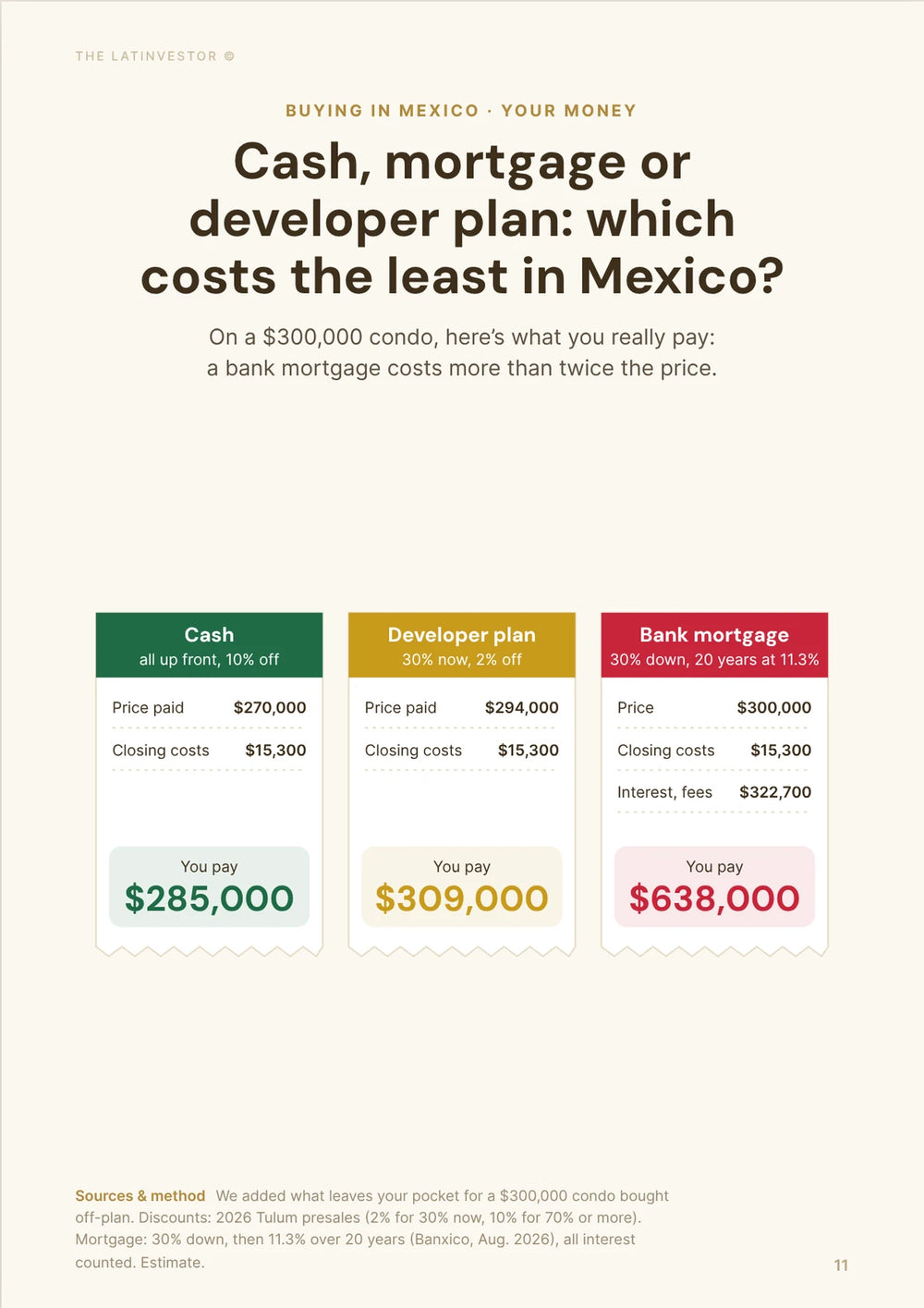
No, but it should stop you from buying the wrong building. Condos here can run out of water for a while, and we'd check that before buying anywhere with limited storage, hillside pressure or a history of pump problems.
The scary version, where the city itself is about to run dry, isn't supported. SEAPAL is producing 4.9% more water than a year ago, and continuous coverage was around 97% to 98% in May and June 2026.
The 2026 outages still show how exposed a single building can be. One highway project repeatedly disrupted roughly 40% of the city's neighborhoods, and the latest recovery required more than 72 hours of intensive work plus millions of liters distributed by tanker.
The longer-term picture also deserves respect. Puerto Vallarta still gets almost 85% of its potable water from underground sources, while CONAGUA calculates negative annual availability for the aquifer.
For a condo buyer today, however, the biggest practical difference is often inside the property. A building with two or three days of usable storage, redundant pumps and backup electricity can ride through a municipal interruption with little drama. A building a few meters away can run dry much sooner.
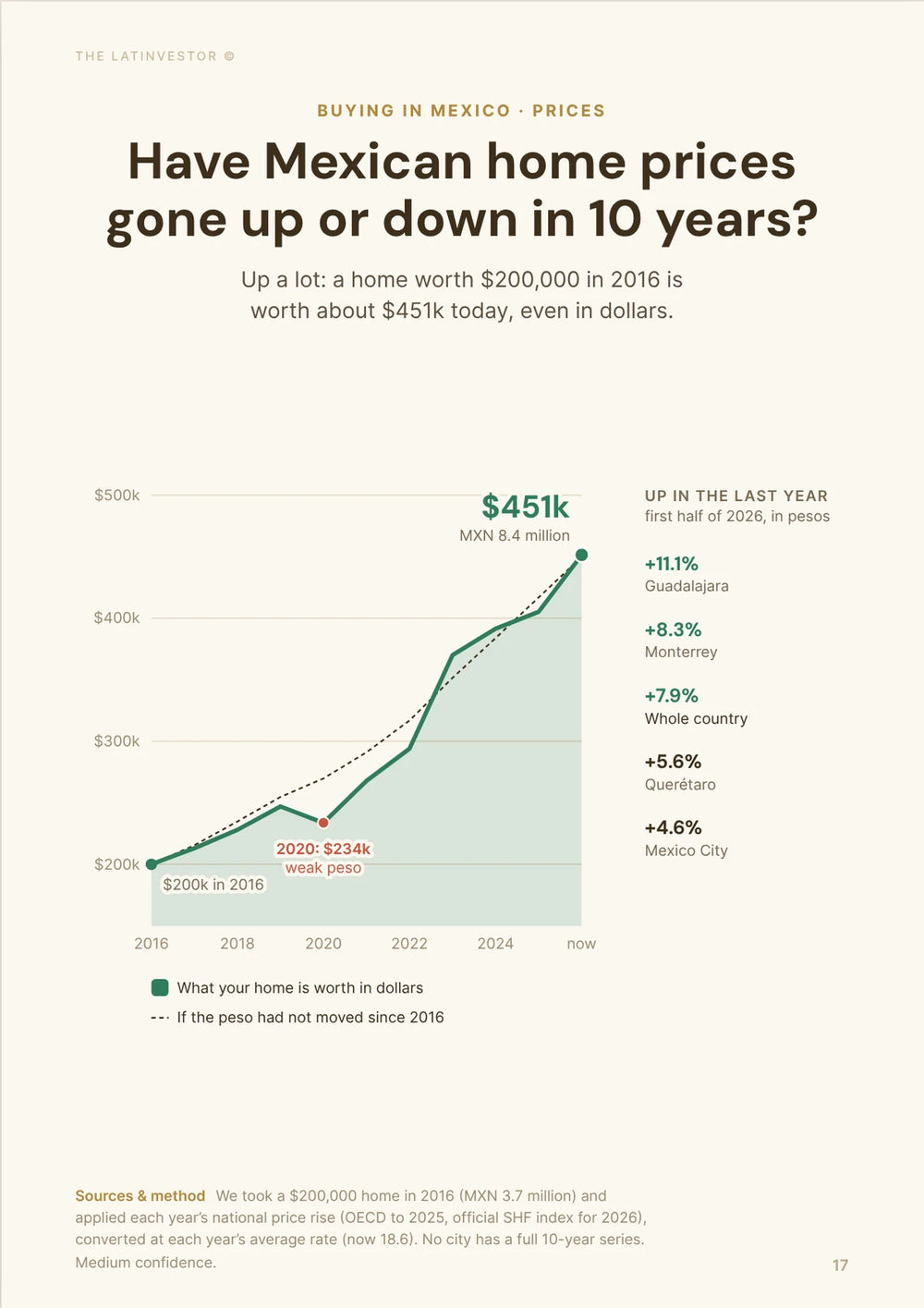
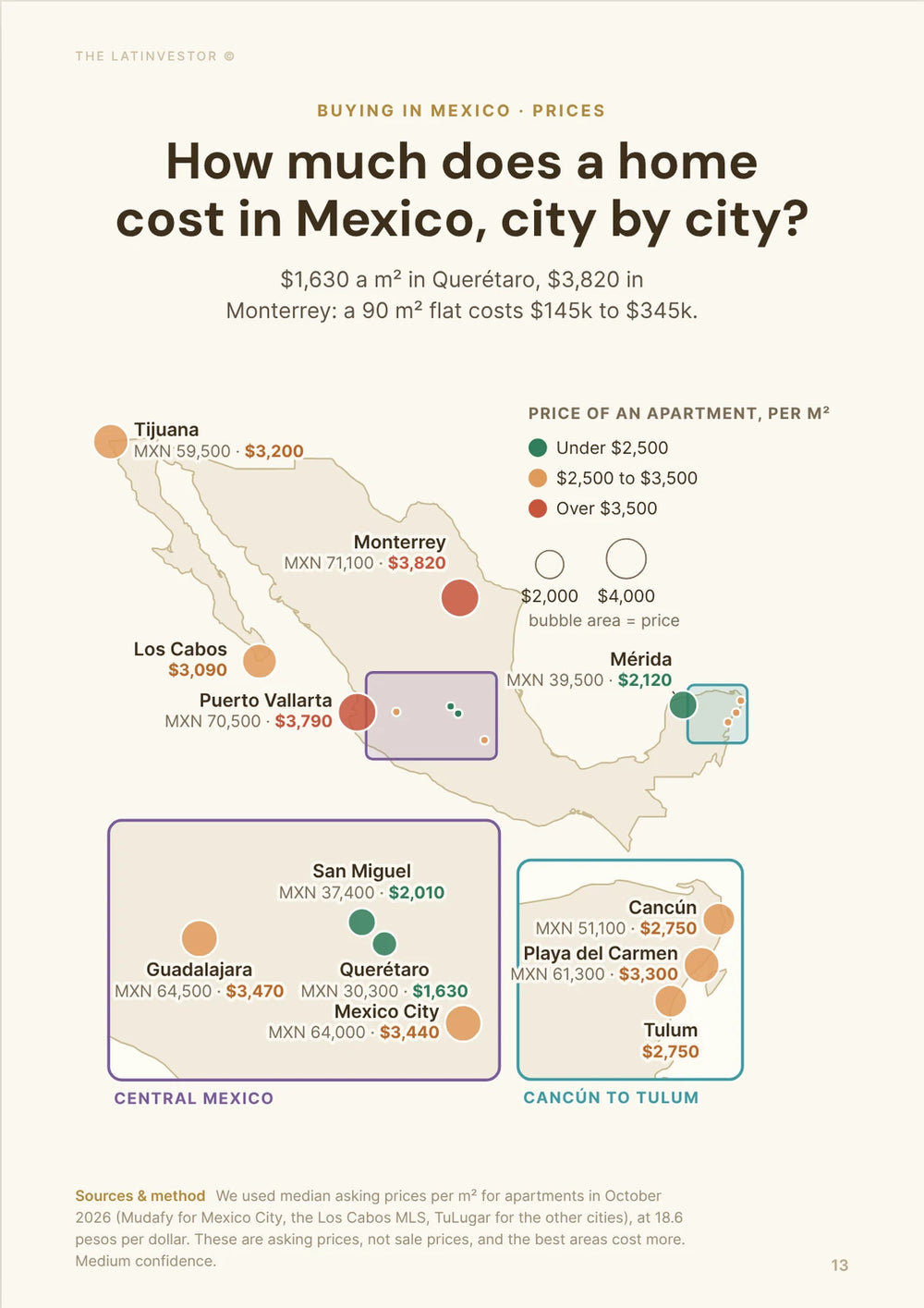
So check the cistern, pumps, generator, peak use and what happened in August and during Simón. That tells you far more than asking whether Puerto Vallarta "has a water problem", and in a slow market where 69% of sales closed below asking price in the year to September 2026, according to the Bay Report, a weak water setup is a fair reason to negotiate.
Our methodology
This article estimates whether a condo in Puerto Vallarta can run out of water today, and which buildings are most exposed. We split the question into citywide supply, how reliably the network delivers it, what happens inside a building, and the long-term state of the aquifer.
Current conditions come from SEAPAL's own releases first: production in the first half of 2026, continuous-coverage reports for May and June, the 2026 highway-works shutdown notices, recovery and tanker reports, and its October 5, 2026 note on sewer backups in Versalles. Hurricane Simón comes from AP and Uno TV reports of October 11 and 12, and the request to waive water bills from La Crónica (August 13, 2026).
The long-term picture uses CONAGUA's official Puerto Vallarta aquifer study and the old extraction ban, INEGI census data for population, Puerto Vallarta's construction rules for building storage, and SEAPAL's feasibility requirements for new projects. New supply on the bay and the share of sales below asking price come from the Vallarta Seaside Bay Report (to September 2026).
We checked these figures in October 2026. No currency conversion was needed here; elsewhere on the site we use about 18.6 pesos per US dollar and 20.9 pesos per euro.
Limits: SEAPAL's coverage figures are citywide and say nothing about a single building. The reserve-day targets and the building examples are our own rules of thumb, not an official standard. There is no public record of which condos ran dry during the 2026 cuts, so the building's own records matter more than anything here.
Key sources used for this analysis include SEAPAL's first-half 2026 production report, SEAPAL's May 2026 coverage report, its June 2026 coverage report, the first highway shutdown notice, the emergency works notice, the August 2026 notice on 142 neighborhoods, SEAPAL's report on the 72-hour recovery, its report on 4 million liters delivered by truck, SEAPAL's October 2026 note on Versalles drainage, La Crónica on the request to waive water bills, AP on Hurricane Simón, Uno TV on Simón in Puerto Vallarta, SEAPAL on the vertical galleries, its Well 17 report, the late-2024 coverage report, Puerto Vallarta's construction rules, SEAPAL's feasibility requirements, CONAGUA's Puerto Vallarta aquifer study, the groundwater extraction ban, the Vallarta Seaside Bay Report, INEGI's 2020 census for Jalisco, and INEGI's 2020 census for Nayarit.