Summary
Is Puerto Vallarta a good place to live as an expat? Yes, especially for people with a comfortable foreign income who value convenience, healthcare, flights and social life more than rock-bottom costs. It is no longer the bargain retirement town many still picture.
The airport shows how international the city has become: about 6.95 million passengers in 2025, up 2.1% in a year and roughly two million more than in 2019.
Everyday spending stays reasonable, with a cheap restaurant meal around MXN 250 (about $14), dinner for two near MXN 1,200 (about $65) and a bus ride at roughly MXN 11 (about $0.60).
A modest life costs about MXN 30,000 to 45,000 (about $1,630 to $2,450) a month, while a couple wanting a modern condo, private healthcare and frequent restaurants quickly reaches MXN 50,000 to 80,000 (about $2,700 to $4,350).
Housing is where the cost advantage shrinks: in Versalles, two-bedroom rents go from MXN 16,000 (about $870) for simple apartments to MXN 34,000 to 35,000 (about $1,850 to $1,900) for newer condos, and Numbeo puts a central one-bedroom at about MXN 25,057 (about $1,360).
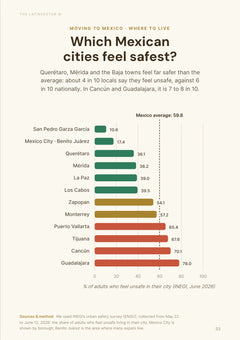
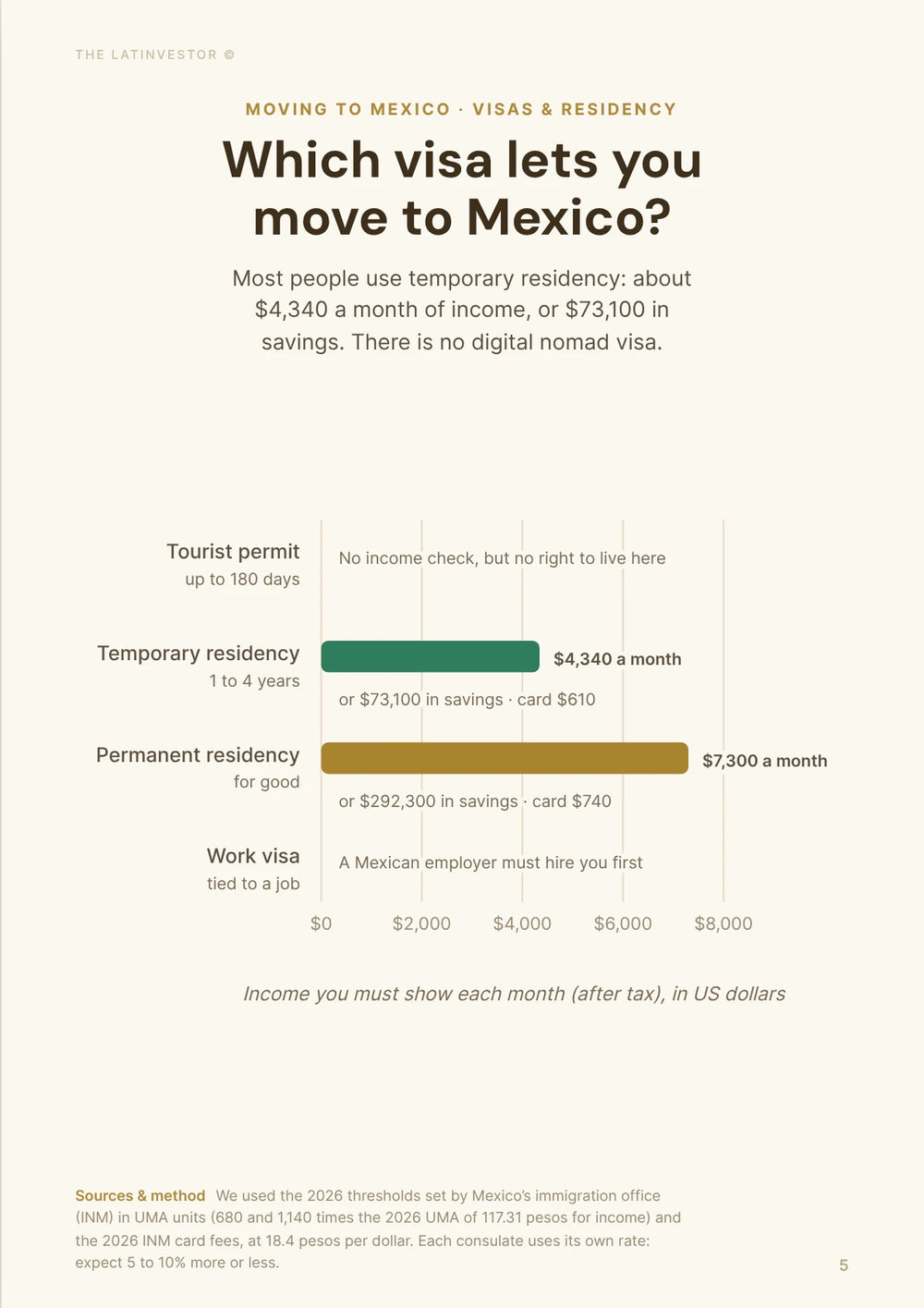
Safety is the biggest new reason for caution: 65.4% of residents felt unsafe in June 2026, up from 27.3% a year earlier and above the 59.8% national figure. This measures perception, not crime risk.
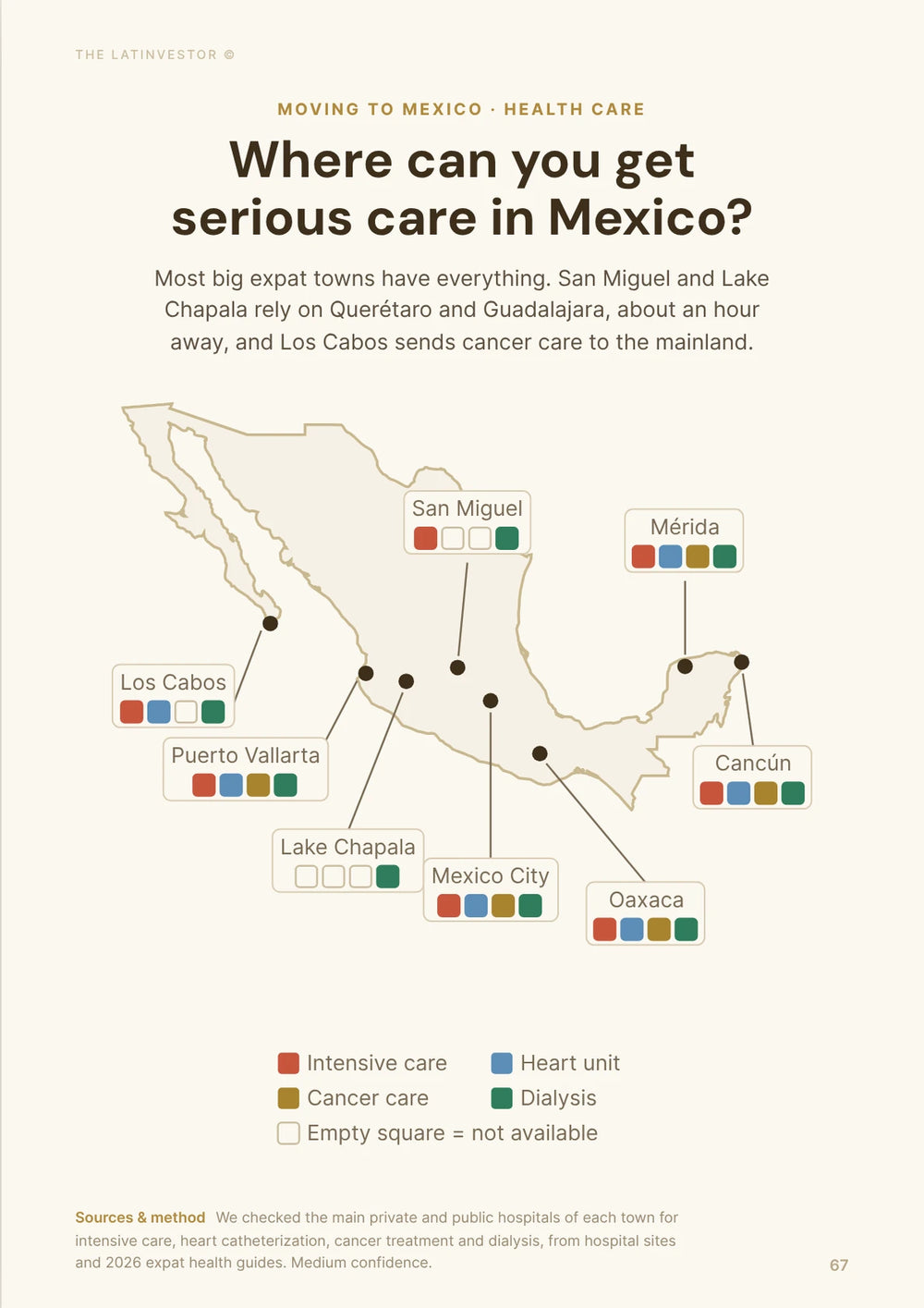
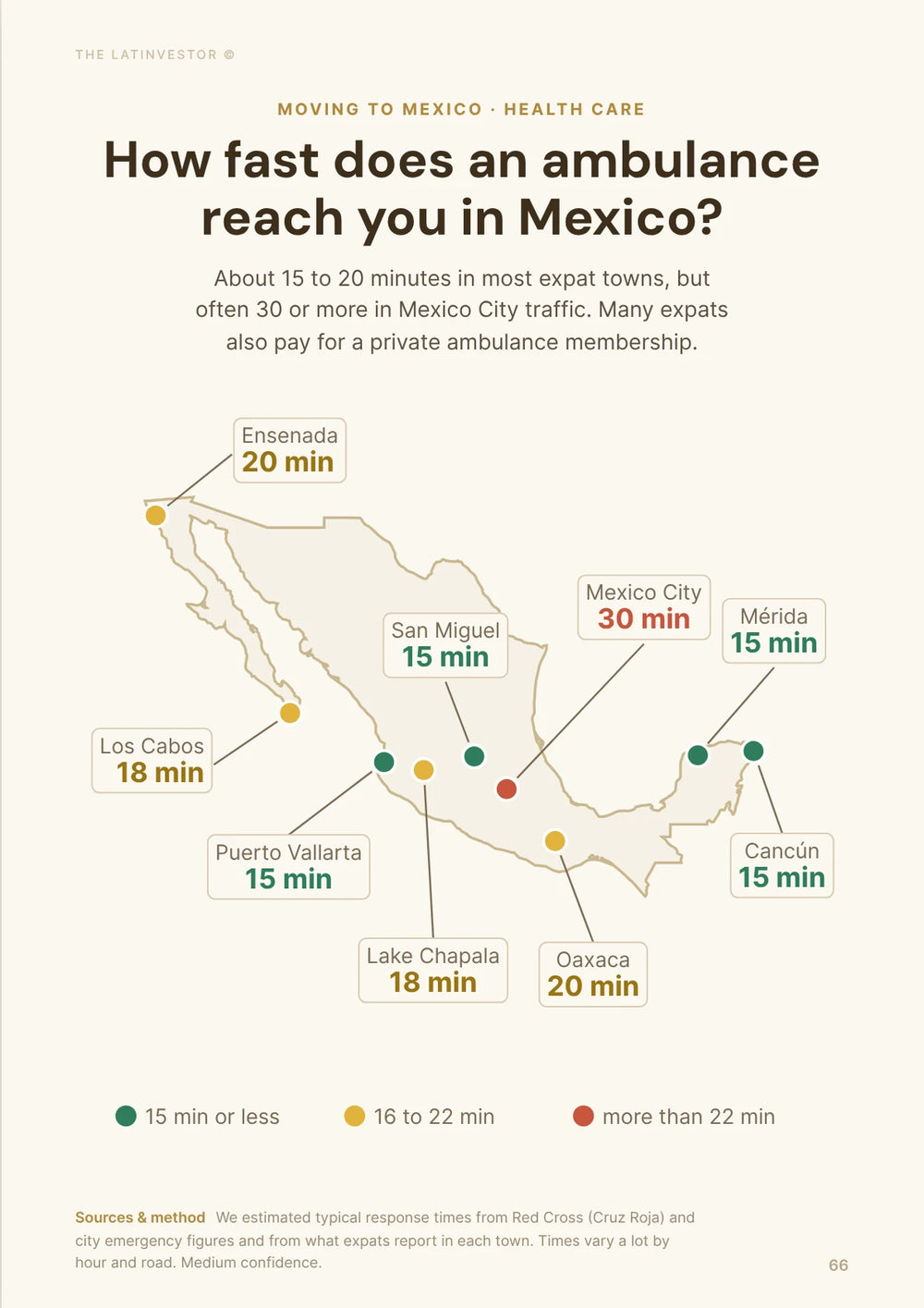
Healthcare is a real strength. Hospital Joya Marina offers 24-hour emergency care, MRI and CT scans, and Guadalajara is there for very complex cases.
Winter is superb, with highs near 27°C, but August is muggy essentially all the time, with about 24.6 wet days, so air conditioning and building quality matter.
Infrastructure is good enough but not invisible: SEAPAL reached about 98% water coverage in 2026, yet one incident cut water in 136 neighborhoods.
Remote work is easy: broadband costs around MXN 600 (about $33) a month and flights to North America are direct. Daily life in English is easier than in most Mexican cities, though Spanish opens up much more.
Families can settle properly, with international schooling from Kinder 1 to high school, but the budget rises fast: even a bilingual school like Colegio México Americano costs MXN 42,000 to 48,000 (about $2,300 to $2,600) a year.
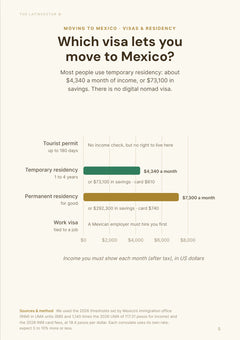
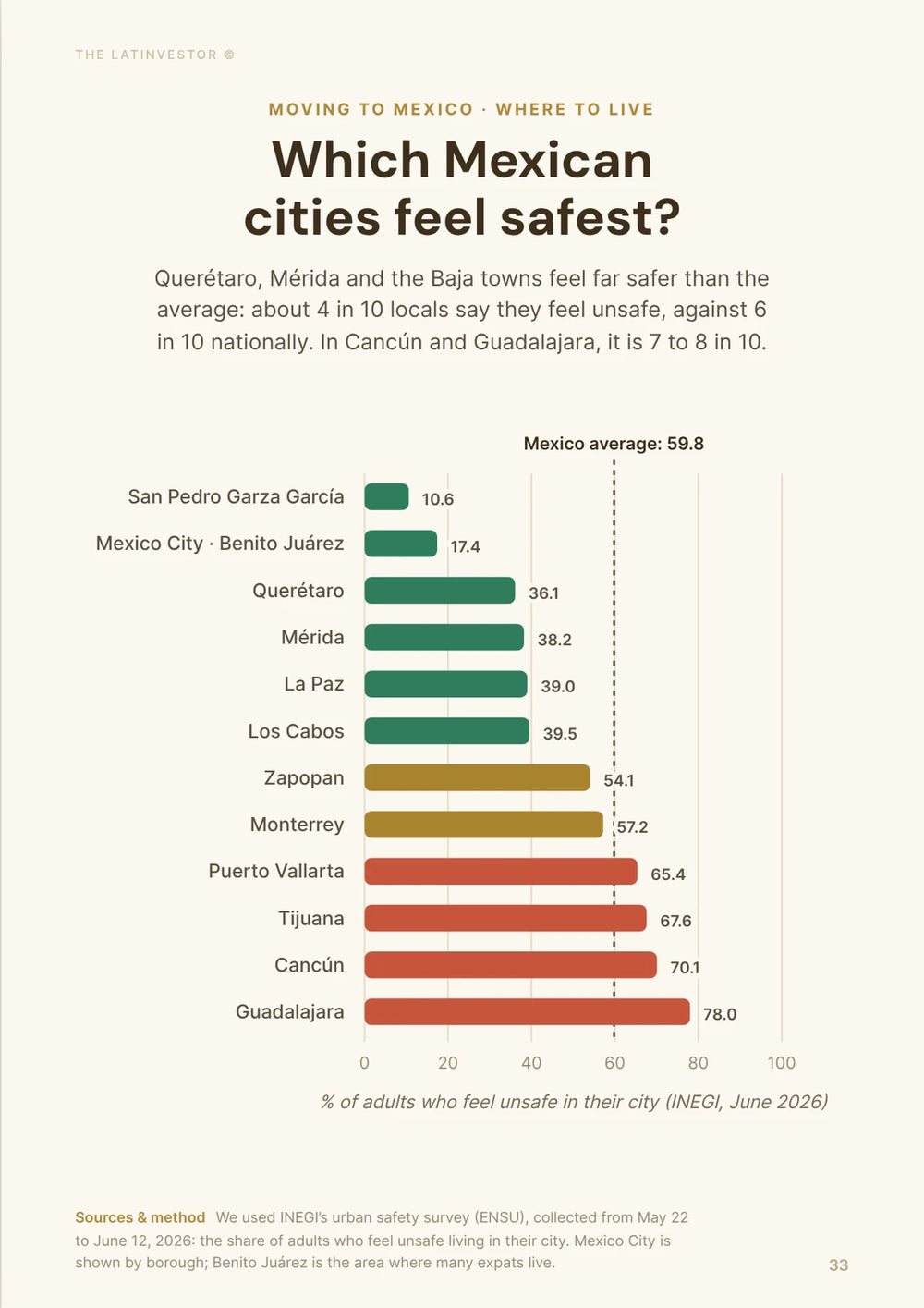
Residency is mostly paperwork for people with a solid income: temporary residence asks for MXN 79,770.80 (about $4,350) a month or MXN 1,337,334 (about $72,500) in savings in 2026, converted differently by each consulate.
Versalles, Zona Romántica, Centro, Marina Vallarta and Fluvial are the main expat areas, each with its own trade-off between walkability, noise, space and the need for a car.
Retirees, remote workers, LGBTQ+ expats and seasonal snowbirds fit best. People moving mainly because Mexico is supposed to be cheap, or who hate humidity, fit worst.
Bottom line: Puerto Vallarta makes coastal expat life unusually easy, and that ease now has a price. Popular two-bedroom rentals commonly reach MXN 20,000 to 35,000 (about $1,090 to $1,900), so budget for housing and safety first.

Has Puerto Vallarta become a different kind of expat destination?
Puerto Vallarta is currently one of Mexico’s easiest beach cities for foreigners to live in, but the trade-off is that the city has become much more expensive and international than the bargain retirement destination many expats still picture.
The airport is probably the clearest sign of how far Puerto Vallarta has moved in that direction. According to 2025 airport traffic data reported by Bahía de Banderas' municipal tourism authority from GAP figures, Puerto Vallarta International Airport handled about 6.95 million passengers, up 2.1% from the previous year. That made it Mexico’s eighth-busiest airport. Before the pandemic, passenger traffic was only a little above five million, so the airport is now handling roughly two million more travelers a year than it did in 2019.
That scale has consequences beyond tourism. Millions of international passengers support direct flights, bilingual medical services, property management companies, international schools, imported products and a restaurant scene that would be unusual in a Mexican city of this size. For Americans and Canadians especially, living in Puerto Vallarta can feel surprisingly easy.
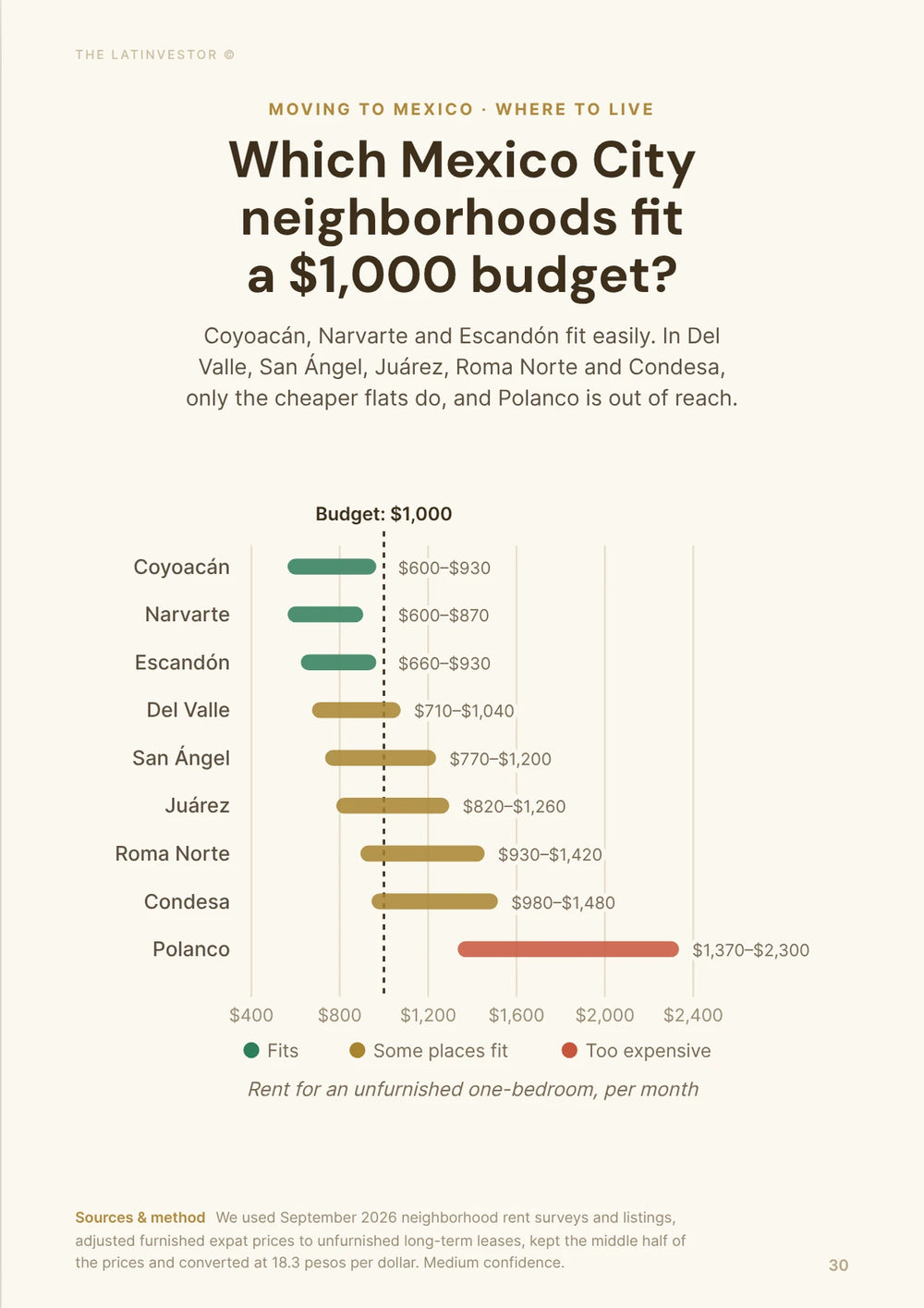
Housing has moved in the opposite direction. Current Inmuebles24 listings in Versalles, one of the most popular central neighborhoods, range from about MXN 16,000 (about $870) for a fairly simple furnished two-bedroom to MXN 34,000–35,000 (about $1,850–$1,900) for newer condos with pools, gyms and security. The platform currently puts the neighborhood’s average two-bedroom rent around MXN 21,250 (about $1,150).
Puerto Vallarta therefore makes more sense these days for foreigners looking for convenience, climate and lifestyle than for people whose main objective is simply to live cheaply in Mexico.
| What has changed? | Earlier Puerto Vallarta | Puerto Vallarta now | What it means for expats |
|---|---|---|---|
| Airport traffic | About 5 million passengers before the pandemic | About 6.95 million in 2025 | Much easier international access |
| Services | Mostly tourism-oriented | Large bilingual and international ecosystem | Easier everyday life |
| Housing | Strong value for foreign earners | Expensive in the most popular areas | Smaller cost advantage |
| Lifestyle | Mainly retirement and tourism | Retirees, remote workers, families, LGBTQ+ residents | Much broader appeal |
| Main selling point | Cheap coastal living | Convenience and lifestyle | Different type of destination |
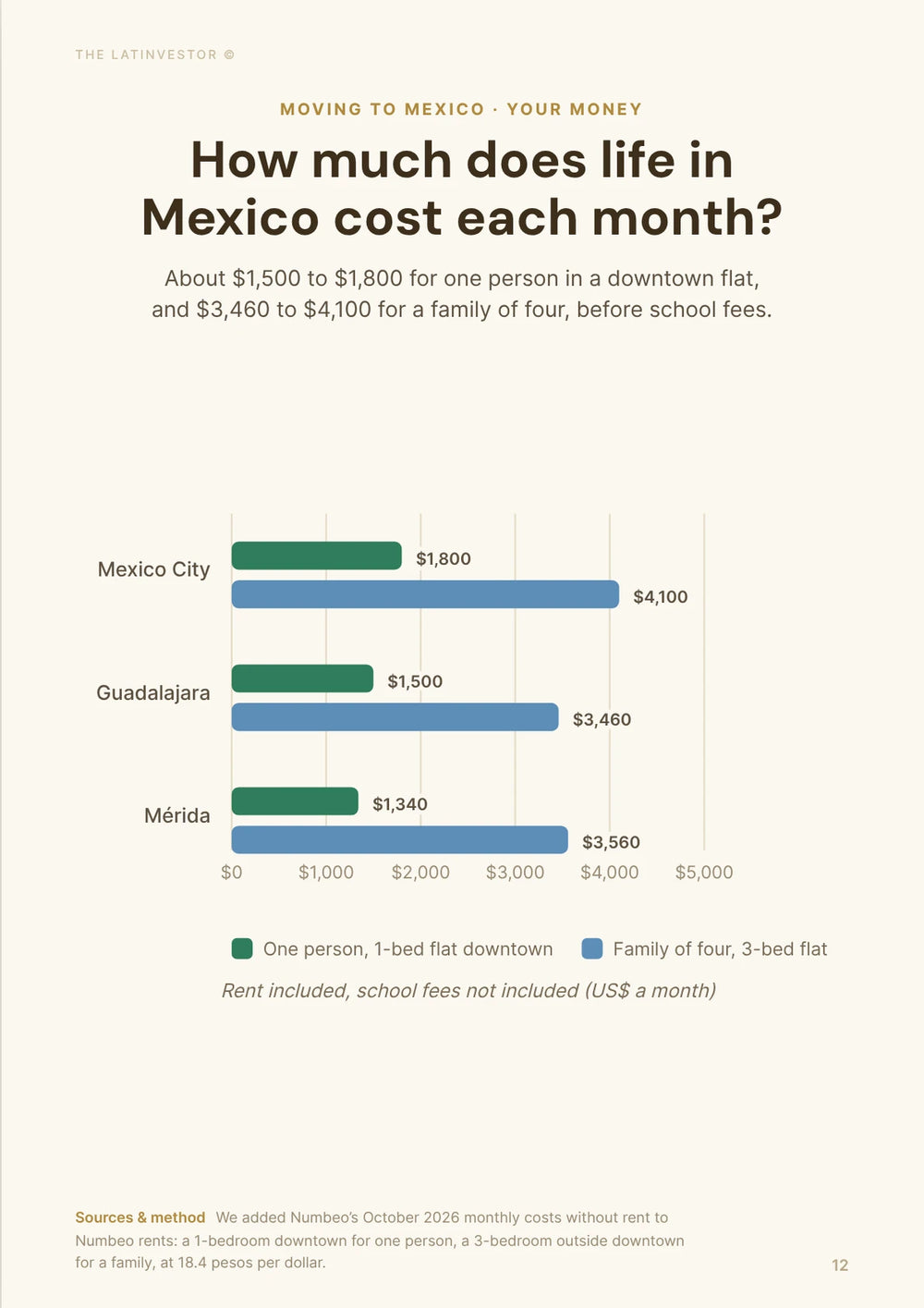
Is Puerto Vallarta still affordable for expats?
Puerto Vallarta is still affordable for many expats earning dollars, euros or Canadian dollars, but a comfortable foreigner-oriented lifestyle now requires a much larger budget than the old “cheap Mexico” reputation suggests.
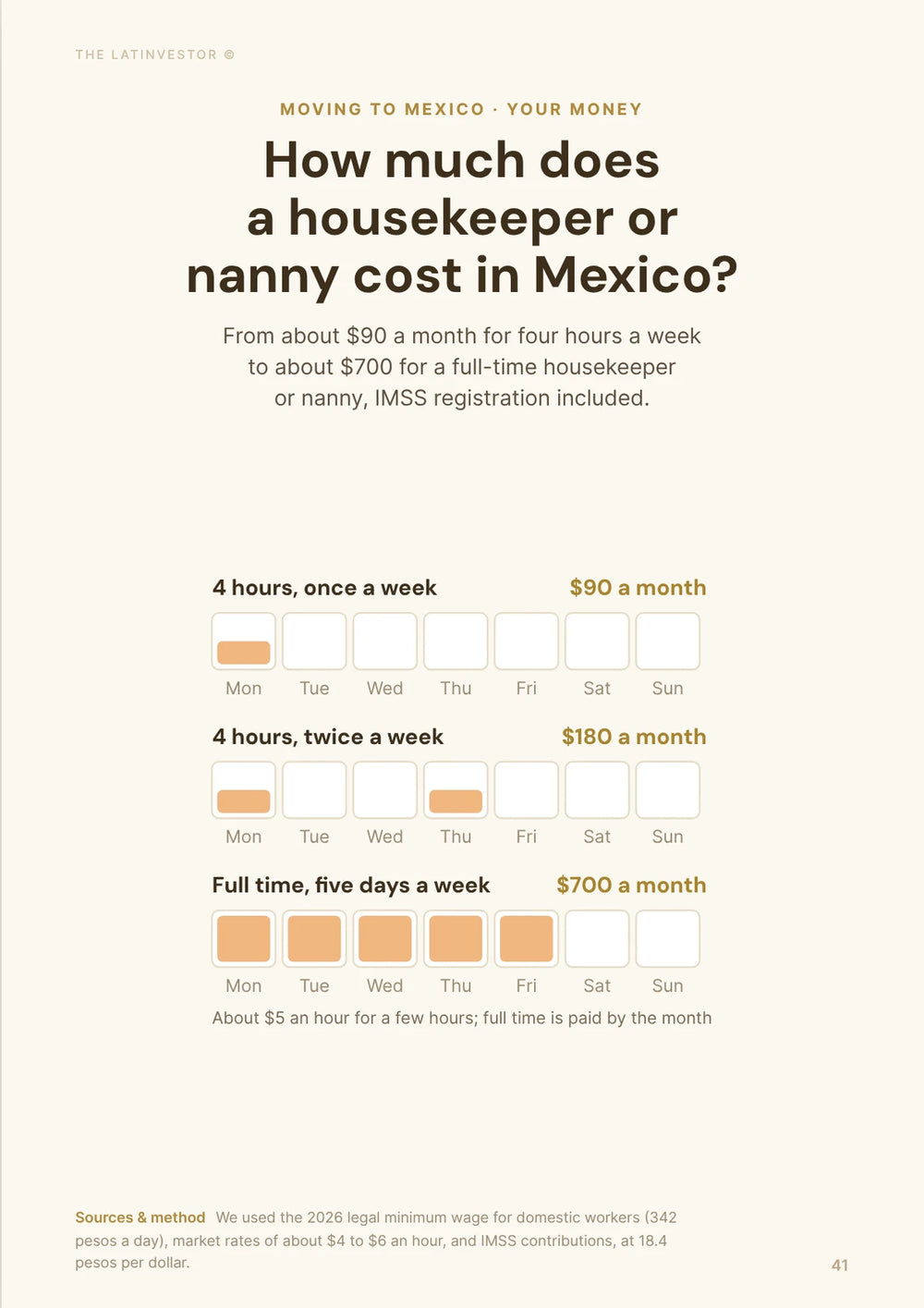
Everyday spending can remain reasonable. Current Numbeo observations put an inexpensive restaurant meal around MXN 250 (about $14), a mid-range dinner for two near MXN 1,200 (about $65), home internet around MXN 600 (about $33) a month and a local bus ride at roughly MXN 11 (about $0.60).
Housing is where the calculation changes. Someone renting a modest apartment away from the beachfront tourist zones may still keep total monthly spending around MXN 30,000–45,000 (about $1,630–$2,450). A couple wanting a modern two-bedroom condo, frequent restaurant meals, air conditioning, private healthcare and a comfortable entertainment budget can easily move into the MXN 50,000–80,000 (about $2,700–$4,350) range.
That gap explains why completely different descriptions of Puerto Vallarta can both sound believable. A resident eating locally and paying MXN 16,000 (about $870) in rent can still find the city reasonably inexpensive. Another person paying MXN 35,000 (about $1,900) for a newer condo and spending heavily in Zona Romántica may wonder why Mexico feels almost as expensive as home.
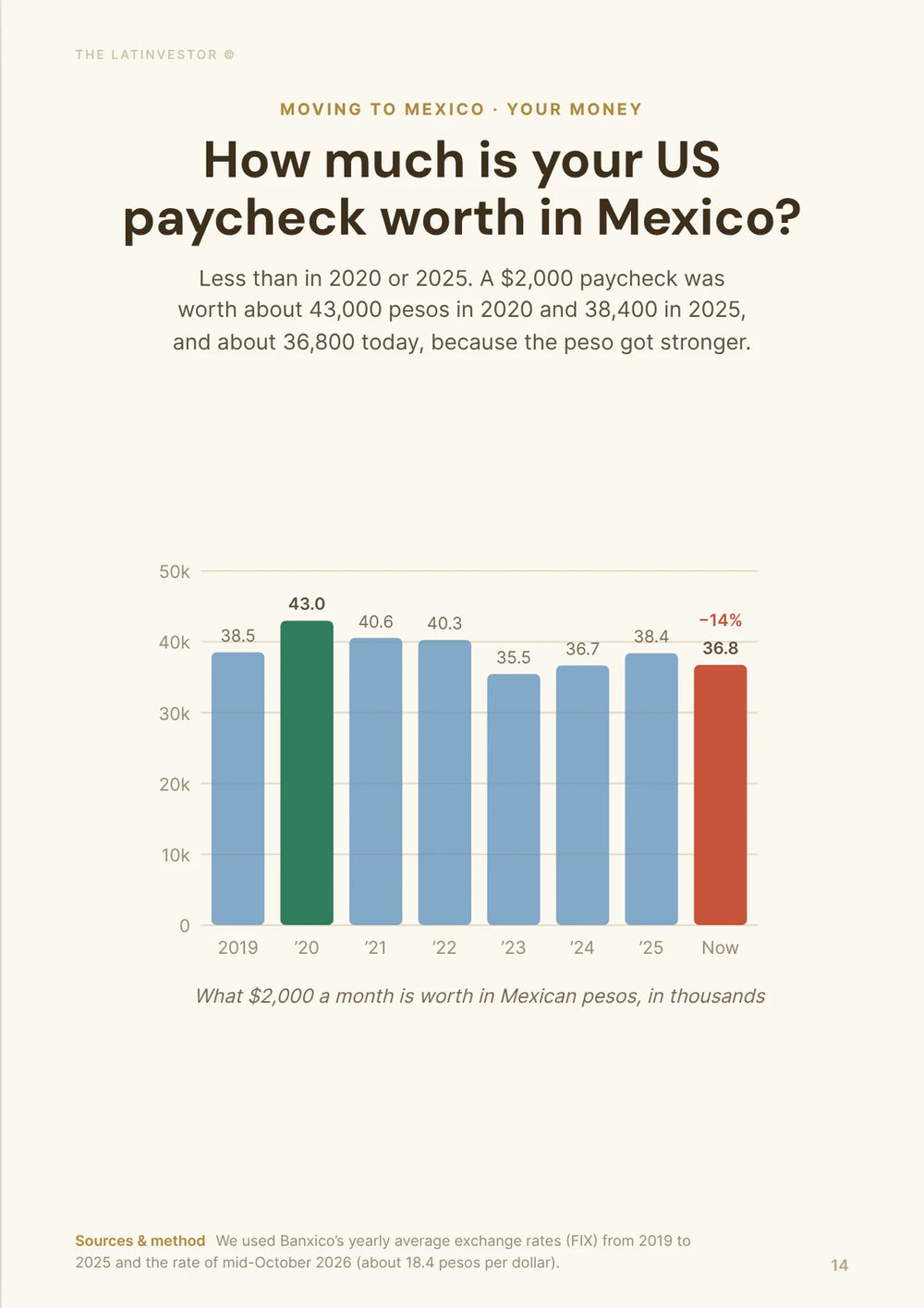
The strong peso matters too. In October 2026, a dollar buys about 18.4 pesos, against more than 20 in early 2025, so a budget in dollars stretches less far than it did. Wise estimates everyday costs other than rent at about MXN 16,915 (about $920) a month for a single person and MXN 59,530 (about $3,250) for a family of four in 2026.
For someone arriving with US$3,000 or US$4,000 a month, Puerto Vallarta can still provide a very comfortable life. On US$1,500 a month, choices around housing, air conditioning and entertainment become much more restrictive.
| Monthly expense | Modest lifestyle | Comfortable expat lifestyle | Premium lifestyle |
|---|---|---|---|
| Housing | MXN 12k–18k (about $650–$980) | MXN 20k–35k (about $1,090–$1,900) | MXN 40k+ (about $2,150+) |
| Utilities + internet | MXN 2k–4k (about $110–$220) | MXN 3k–5k (about $160–$270) | MXN 5k+ (about $270+) |
| Food and restaurants | MXN 8k–12k (about $430–$650) | MXN 12k–20k (about $650–$1,090) | MXN 20k+ (about $1,090+) |
| Transport | MXN 1k–3k (about $55–$160) | MXN 3k–7k (about $160–$380) | MXN 8k+ (about $430+) |
| Other spending | MXN 5k–10k (about $270–$540) | MXN 10k–18k (about $540–$980) | MXN 20k+ (about $1,090+) |
| Approximate total | MXN 28k–47k (about $1,520–$2,550) | MXN 48k–85k (about $2,600–$4,600) | MXN 93k+ (about $5,050+) |
Are Puerto Vallarta rents getting too expensive?
Puerto Vallarta rents are now expensive enough to wipe out a large part of Mexico’s cost advantage if we insist on a modern condo in one of the neighborhoods most foreigners want.
Versalles gives us a useful snapshot because it is popular with expats without being a beachfront resort district. Current Inmuebles24 listings include furnished two-bedroom apartments at MXN 16,000 and MXN 17,500 (about $870 and $950), a renovated 120 m² unit at MXN 20,000 (about $1,090), newer condos around MXN 27,000–28,000 (about $1,470–$1,520) and more upscale units around MXN 34,000–35,000 (about $1,850–$1,900).
The jump from MXN 16,000 to MXN 35,000 (about $870 to $1,900) is mostly about the product foreigners tend to request: newer construction, two bathrooms, elevator, pool, rooftop, gym, security, parking and modern air conditioning. Puerto Vallarta still has reasonably priced apartments, but the polished condo shown in relocation videos sits in a much more expensive part of the market.
Citywide averages tell the same story. Numbeo's crowd-sourced figures put a one-bedroom at about MXN 25,057 (about $1,360) a month in the city center and MXN 12,700 (about $690) outside it (June 2026). Individual listings are asking prices, though, and availability changes quickly.
Long-term leases also behave differently from vacation rentals. Owners can earn far more during the winter high season, and some properties are offered cheaply during the hot months before disappearing from the long-term market when winter demand returns. Anyone moving permanently should compare 12-month leases rather than extrapolate from a few low-season listings.
As seen above, housing is the biggest reason Puerto Vallarta no longer feels automatically cheap. Moving several blocks inland or accepting an older building can save more money than months of trying to economize on restaurants and buses.
| Current Versalles example | Bedrooms | Monthly rent | What we get |
|---|---|---|---|
| Basic furnished apartment | 2 | MXN 16k (about $870) | Older, simple long-term option |
| Furnished apartment with pool | 2 | MXN 17.5k (about $950) | Good entry-level expat option |
| Renovated 120 m² apartment | 2 | MXN 20k (about $1,090) | More space, fewer luxury amenities |
| New furnished condo | 2 | MXN 27k–28k (about $1,470–$1,520) | Modern building and shared amenities |
| Newer premium condo | 2 | MXN 34k–35k (about $1,850–$1,900) | Pool, gym, security and upgraded finish |
Is Puerto Vallarta safe enough for expats right now?
Puerto Vallarta is still a viable place for expats to live, but safety has become the strongest reason to be more cautious about the city than we would have been a year ago.
INEGI’s urban safety survey shows an unusually sharp change. In June 2025, 27.3% of Puerto Vallarta residents said they considered the city unsafe. The figure rose to 32% in December, jumped to 59.9% in March 2026 and reached 65.4% in June.
The March-to-June increase itself was not statistically significant according to INEGI’s methodology. The bigger story is the shift from roughly one resident in four feeling unsafe in mid-2025 to almost two in three in the latest reading. Puerto Vallarta went from being one of the better-performing cities in Mexico on this measure to sitting above the national figure of 59.8%.
We should be precise about what this proves. ENSU measures residents’ perception of insecurity rather than an expat’s probability of becoming a crime victim. The largest jump also came after serious security events in Jalisco earlier in 2026, which clearly affected how residents felt about the city.
Still, perception influences daily life. People become more reluctant to walk at night, carry cash, use ATMs outside or take unfamiliar routes. The same INEGI survey found that only 13.3% of Puerto Vallarta residents considered the municipal government very or somewhat effective at solving the city’s main problems, the second-lowest figure among the areas surveyed.
We would therefore continue considering neighborhoods such as Versalles, Marina Vallarta, Fluvial, Centro and Zona Romántica for expat living, while treating normal city precautions as necessary rather than optional.
| INEGI reading | Residents saying Puerto Vallarta feels unsafe |
|---|---|
| June 2025 | 27.3% |
| December 2025 | 32.0% |
| March 2026 | 59.9% |
| June 2026 | 65.4% |
| Change in one year | +38.1 percentage points |
| Residents rating local government effective | 13.3% |
Is Puerto Vallarta healthcare good enough to retire there?
Puerto Vallarta has good enough private healthcare for most expats to live there long term, including retirees who expect to need specialists rather than just occasional clinic visits.
Hospital Joya Marina shows the depth available locally. The hospital currently offers 24-hour emergency care, pediatric and obstetric emergencies, MRI, CT scanning, X-rays, a blood bank, ambulances, pharmacy services and bilingual nursing staff. Its medical network covers a wide range of specialties, and the hospital works with insured patients.
Puerto Vallarta also has other private hospitals, such as Hospiten and CMQ, plus specialist clinics, dentists and diagnostic centers, partly because the city serves tourists, foreign residents and the larger Bahía de Banderas population. For routine healthcare and many serious conditions, residents have considerably more options than they would in a small Mexican beach town.
A difficult case may still justify going to Guadalajara, especially when we need a highly specialized procedure or want a second opinion from a major metropolitan hospital. Guadalajara is one of Mexico’s largest medical centers, so living in Puerto Vallarta does not completely remove the value of having access to a bigger city.
Money is the bigger issue. Private Mexican healthcare often looks inexpensive compared with uninsured treatment in the United States, yet hospital admissions and major procedures can still produce substantial bills. Older expats should price private insurance before relocating rather than assuming every medical expense will be cheap.
For retirement, healthcare is firmly on Puerto Vallarta’s positive side of the ledger.
Does Puerto Vallarta's weather still feel great when you live there all year?
Puerto Vallarta has fantastic winter weather, while year-round residents have to accept several months when heat and humidity dominate everyday life.
WeatherSpark’s long-term climate data put typical winter highs near 81°F, or 27°C. During the hotter part of the year, daytime highs reach roughly 89–90°F, or 32°C, with nights around 76°F.
Humidity changes the experience more than the raw temperature suggests. In August, WeatherSpark estimates muggy conditions essentially 100% of the time. The city averages about 24.6 wet days during that month, and average rainfall is close to 10 inches.
That affects daily routines. Walking twenty minutes to lunch feels completely different in February and in August. Air conditioning runs much more often. Laundry dries differently. Afternoon storms become normal. Homes need good ventilation and protection against moisture.
That sounds minor on paper. It isn’t. The contrast also explains why Puerto Vallarta works so well for snowbirds. Someone spending roughly November through April in the city gets most of its climatic advantages while skipping the hardest part of the year.
People considering a permanent move should visit during the wet season at least once before buying property. Loving Puerto Vallarta in January tells us surprisingly little about whether we will enjoy living there in August.
Is Puerto Vallarta's infrastructure keeping up with all this growth?
Puerto Vallarta’s infrastructure is improving in some areas, but water, roads and public services are still struggling to keep pace with how quickly the city has grown.
Water is a good example. SEAPAL reported that during a critical dry-season period in 2026, roughly 98% of Puerto Vallarta had continuous potable-water coverage and more than 340 neighborhoods received service 24 hours a day. That was an unusually strong result for the system.
The improvement has not eliminated interruptions. Major construction and pipeline work have temporarily affected large parts of the city. One highway-related incident disrupted water service in 136 neighborhoods before supply was restored. Residents in some buildings still depend heavily on cisterns, storage tanks and functioning pumps when municipal pressure drops.
These problems are easier to tolerate in a well-managed condo with substantial water storage than in a house with weak infrastructure. Anyone renting should ask how large the cistern is, how often the building loses pressure and whether pumps continue operating during electricity outages.
Roads create another everyday irritation. INEGI’s urban surveys repeatedly show residents complaining about potholes, traffic and public services. Development continues along a geography squeezed between the bay and the Sierra Madre, so road capacity cannot expand as easily as the population and number of vehicles. It gets old.
Infrastructure would not stop us from living in Puerto Vallarta. It would make us inspect the exact building and street much more carefully than a vacationer usually does.
Is Puerto Vallarta actually good for remote workers?
Puerto Vallarta is currently a strong place for remote workers because the city combines workable internet, international flights and enough social life to make a long stay feel normal rather than isolated.
Home broadband is inexpensive compared with North America, and modern condos commonly offer fiber or other high-speed connections. Current Numbeo observations place broadband around MXN 600 (about $33) a month, although actual plans and speeds vary by address.
For someone whose salary depends on connectivity, the address matters more than the citywide average. We would verify the exact provider available in the building, test the connection before signing a long lease and keep mobile data as a backup. Power cuts and building-level internet failures occasionally matter more than advertised download speed.
The broader setup is where Puerto Vallarta stands out. We can work during the week, meet other foreigners easily, use cafés and coworking spaces, fly directly to major North American cities and still have beaches, restaurants and nightlife within minutes.
The downside appears during the humid season. Anyone working from home eight hours a day will probably use substantial air conditioning, so electricity becomes a real budget item. A condo with efficient inverter units can make a noticeable difference.
For a remote worker earning a foreign salary, Puerto Vallarta remains easier to recommend than it is for someone trying to live on a very tight local-style budget.
Can you live in Puerto Vallarta without speaking Spanish?
An English-speaking expat can get through everyday life in Puerto Vallarta more easily than in most Mexican cities, although staying English-only eventually limits where we can live and how much of the city we actually experience.
Tourism has created a huge English-speaking service economy. Private hospitals advertise bilingual staff. Real-estate agents routinely work in English. Restaurants in central tourist districts often have English menus. Property managers, dentists, lawyers and immigration specialists serving foreigners are easy to find.
The social side is equally accessible. Puerto Vallarta has long-established foreign communities, recurring international events and one of Mexico’s most visible LGBTQ+ expat scenes. A newcomer can build an English-speaking social circle surprisingly fast.
Spanish becomes more important once the novelty wears off. Contractors, building staff, neighborhood shops, government employees, delivery drivers and many landlords may speak little English. Moving outside the most international neighborhoods makes the difference even more obvious.
Puerto Vallarta is unusually forgiving for a newcomer with weak Spanish. Someone planning to spend years there will still get a much better version of the city by learning enough Spanish to handle ordinary conversations.
Is Puerto Vallarta a good place for expat families?
Puerto Vallarta can work well for expat families, but families need considerably more money and more careful neighborhood planning than retirees or couples without children.
International education exists locally. The American School of Puerto Vallarta runs from Kinder 1 through high school in the 2026-27 school year. Its programs are accredited through Mexican and international education systems, and older students can graduate with credentials recognized in both Mexico and the United States.
That removes one of the biggest problems families face in smaller beach destinations: having to move again once the children reach secondary-school age.
The financial equation is different, though. Private-school tuition, larger housing, transportation and activities can add tens of thousands of pesos to a monthly family budget. The American School asks families to contact admissions for current fees, so old tuition figures circulating on expat websites should not be used for planning. Bilingual schools can cost much less: Colegio México Americano lists 2026-27 tuition of MXN 42,000 (about $2,300) a year in preschool and MXN 48,000 (about $2,600) in high school, plus MXN 5,200 (about $280) for enrollment.
Neighborhood priorities also change. Zona Romántica may be ideal for a couple who values nightlife and restaurants. Families are more likely to look at Marina Vallarta, Fluvial, Versalles or developments farther north, where larger homes, schools, supermarkets and parking fit daily family routines better.
Puerto Vallarta has enough infrastructure for a family to settle properly. The bigger question is whether the household income supports the private version of the city that many international families will want.
Is getting Mexican residency easy enough for a Puerto Vallarta expat?
Mexico’s residency system is manageable for financially established expats, but people planning to live in Puerto Vallarta full time should sort out legal residency instead of relying indefinitely on tourist entries.
Temporary residency is available through several routes, including economic solvency, employment and family connections. For financially independent applicants, Mexican consulates generally require proof of either sufficient monthly income or substantial savings. In 2026, the national rule is a monthly income of 680 UMA, MXN 79,770.80 (about $4,350), or savings of 11,400 UMA, MXN 1,337,334 (about $72,500), with UMA being Mexico's official reference unit.
The frustrating part is that the exact financial threshold can vary between consulates. Mexican consular offices convert national rules into local currency using their own published calculations, so a requirement quoted by one consulate may differ from another: in 2026, the consulate in San Diego asks for USD 4,510 a month or USD 75,950 in savings, while others ask for around USD 4,200 a month.
Once a temporary-resident visa is issued abroad, the applicant enters Mexico and completes the process with immigration authorities to obtain the resident card. Mexican consular guidance generally requires that exchange process within 30 calendar days after entering the country.
Puerto Vallarta has no special retirement or expat visa of its own. The relevant rules are Mexico’s national immigration rules.
For foreigners who comfortably meet the financial requirements, residency is more paperwork than obstacle. Someone close to the threshold should check directly with the specific Mexican consulate where the application will be filed before building a relocation plan around an old number found online.
Which Puerto Vallarta neighborhoods are actually good for expats?
Versalles, Zona Romántica, Centro, Marina Vallarta and Fluvial are currently the most obvious expat choices, but they produce very different versions of Puerto Vallarta.
Zona Romántica gives us maximum walkability. Restaurants, nightlife, cafés, bars, the beach and a large international community are packed into a small area. LGBTQ+ residents in particular will find one of the strongest social scenes in Latin America. The compromises are noise, tourist traffic and some of the city’s highest housing costs.
Centro keeps residents close to the Malecón and historic center with a slightly less resort-like feel. The steep streets become important quickly, though. An apartment that looks five minutes from the waterfront on a map can involve a serious uphill walk.
Versalles has become one of the best all-round choices. Current rental listings repeatedly emphasize restaurants, supermarkets, cafés and hospitals within walking distance. It sits roughly between the airport and downtown and has enough ordinary residential life to avoid feeling entirely built for tourists. Its popularity has pushed rents up, but we still find much more variation than in the prime beachfront areas.
Marina Vallarta is easier for people who value airport access, newer buildings, private hospitals and a quieter planned environment. It feels more self-contained and polished, though less connected to central street life.
Fluvial is more residential and can work particularly well for families or people with cars. Supermarkets and major roads are convenient, while walking everywhere becomes less realistic.
This is also where the question of owning a car is best answered. We can live comfortably without one in Zona Romántica, Centro and parts of Versalles. Marina, Fluvial and farther-out residential areas make a car progressively more useful.
| Neighborhood | Best for | Main advantage | Main compromise |
|---|---|---|---|
| Zona Romántica | Social life, LGBTQ+ expats, nightlife | Maximum walkability | Expensive and busy |
| Centro | Urban life and character | Walkable historic core | Hills and noise |
| Versalles | Long-term residents, remote workers | Restaurants + services + central location | Rents rising quickly |
| Marina Vallarta | Retirees, frequent travelers | Airport + hospitals + planned environment | Less downtown atmosphere |
| Fluvial | Families and residents with cars | Residential and practical | Less walkable |
Does Puerto Vallarta still feel connected after you move there full time?
Puerto Vallarta is unusually well connected for a beach city, and the airport remains one of its biggest advantages for anyone who expects to travel home several times a year.
The latest full-year traffic data show roughly 6.95 million passengers passing through Puerto Vallarta International Airport in 2025. That was another record and a 2.1% increase from the previous year.
The more revealing comparison is with 2019. Traffic has risen by roughly two million passengers since the last full pre-pandemic year, an increase of close to 40%. That is substantial enough to support direct international connections that a city with Puerto Vallarta’s resident population would never sustain on local demand alone.
For Canadians and Americans, this can change the relocation decision. Saving several thousand pesos a month in a smaller coastal city looks less attractive if reaching family requires a long bus journey, domestic connection or overnight stay.
Ground transport is improving too, including highway connections north toward Riviera Nayarit, although the construction itself has caused temporary disruption to local roads and utilities.
If frequent travel matters, Puerto Vallarta has a practical advantage over almost every smaller Pacific-coast alternative.
Who is Puerto Vallarta really best for now?
Puerto Vallarta currently works best for expats who have enough income to pay for convenience and care more about lifestyle than finding the cheapest possible place in Mexico.
Retirees with stable foreign income get one of the strongest packages. Private hospitals are available locally, North America is easy to reach, restaurants and services are abundant, and building a social circle requires relatively little effort.
Remote workers are another strong fit. A US, Canadian or European salary goes much further here than a local salary, while the city provides enough infrastructure to work normally.
Puerto Vallarta is especially attractive for LGBTQ+ expats. The city has developed a large, visible and well-established LGBTQ+ social and business ecosystem, concentrated heavily around Zona Romántica but extending beyond nightlife alone.
Families can also live well here when private education and larger housing fit the budget.
The weakest match is someone moving mainly because they expect Mexico to be extremely cheap. Current housing prices in the most desirable neighborhoods can make Puerto Vallarta disappointing on that criterion. People who hate humidity or want flawless infrastructure may struggle as well.
Seasonal residents probably get the easiest version of the deal. They can arrive for the dry season, enjoy the city when its weather is at its best and leave before the hottest, wettest months.
| Expat profile | How well Puerto Vallarta fits | Why |
|---|---|---|
| Retiree with foreign income | Excellent | Healthcare, flights and community |
| Remote worker | Very good | Connectivity and lifestyle |
| LGBTQ+ expat | Excellent | Large established community |
| Family with private-school budget | Good | International education available |
| Budget-first retiree | Mixed | Housing can be expensive |
| Heat-sensitive resident | Weak year-round | Long humid season |
| Seasonal snowbird | Excellent | Gets the best weather |
So, is Puerto Vallarta a good place to live as an expat?
Yes. Puerto Vallarta is currently one of the better places in Mexico for an expat who can afford it, although we would be much more cautious about recommending it as a cheap retirement destination than we would have been several years ago.
The city solves many of the practical problems that make smaller tropical destinations difficult over the long term. We have substantial private healthcare, international education, millions of annual airport passengers, direct overseas flights, usable internet, walkable neighborhoods and a mature foreign community. A newcomer can establish a normal life here surprisingly quickly.
The weaknesses are now too large to gloss over. Popular two-bedroom rentals commonly reach MXN 20,000–35,000 (about $1,090–$1,900). INEGI’s latest survey put perceived insecurity at 65.4%, following a very sharp deterioration over the previous year. Water and road infrastructure continue to produce frustrating disruptions. Several months of intense humidity also make year-round living much harder than a winter visit suggests.
None of those problems kills the case for Puerto Vallarta. They simply narrow the group for whom the city is an obvious choice.
For retirees, remote workers, LGBTQ+ residents, internationally oriented couples and families with comfortable foreign incomes, Puerto Vallarta still offers a combination of healthcare, airport connectivity, social life and coastal living that few Mexican beach cities can match.
For someone whose number-one priority is spending as little as possible, we would look elsewhere. Puerto Vallarta these days earns its appeal through how easy and enjoyable it can make life, and that convenience increasingly comes with a premium.
Our methodology
We assessed whether Puerto Vallarta is a good place to live as an expat by breaking the question into what shapes everyday life: housing and affordability, safety, healthcare, climate, infrastructure, connectivity, remote work, language, education, residency and neighborhood fit.
For each part, we used the freshest useful evidence and gave more weight to primary data, official institutions and direct market observations. Older figures were used only as a baseline, such as comparing 2025 airport traffic with 2019 or measuring how much perceived insecurity changed in a year. We kept different kinds of evidence apart: INEGI's ENSU survey measures how residents feel about safety, not crime rates.
Housing was checked against live Inmuebles24 listings in Versalles and Numbeo's citywide rents, and everyday costs against Numbeo and Wise. Healthcare came from Hospital Joya Marina and other private hospitals; climate and water from WeatherSpark, CONAGUA and SEAPAL; schools from the schools themselves.
Residency rules come from Mexican consulates and the Instituto Nacional de Migración, using the 2026 UMA value of MXN 117.31 a day; consulates convert the thresholds into dollars differently.
We checked these figures in October 2026. Peso amounts are converted at about 18.4 pesos per US dollar (October 2026).
Listings are asking prices, not signed leases, and there is no official count of foreign residents in Puerto Vallarta. We did not let one strength or one bad reading decide the article: healthcare, flights and services were weighed against housing costs, perceived safety, infrastructure and the humid season, and the answer changes by expat profile.
Key sources used for this analysis include Bahía de Banderas' municipal tourism authority on Puerto Vallarta airport traffic and growth since 2019, Mexico's Federal Civil Aviation Agency on airport certification and operating context, Inmuebles24's current Versalles rental inventory, Inmuebles24's two-bedroom Versalles listings, INEGI's June 2026 ENSU release, INEGI's March 2026 ENSU results, Hospital Joya Marina's Puerto Vallarta service information, CONAGUA's Puerto Vallarta climate and aquifer study, SEAPAL's recent water-service performance report, SEAPAL's report on the 136-neighborhood interruption, the American School of Puerto Vallarta's school profile and Kinder 1 to grade 12 range, its accreditation and academics information, official Mexican consular temporary-residency guidance, Instituto Nacional de Migración guidance on the resident-card exchange, GAP's 2025 traffic report (SEC filing), Numbeo (Puerto Vallarta, June 2026), Wise's 2026 Puerto Vallarta living costs, Vallarta Independiente on INEGI's June 2026 ENSU, SEAPAL's August 2026 service update, Hospiten Puerto Vallarta, the American School of Puerto Vallarta's 2026-27 admissions, Colegio México Americano's 2026-27 fees, CityLaws on 2026 residency thresholds in UMA and the Mexican consulate in San Diego's 2026 solvency rules.