Summary
Is the Riviera Maya a good place to live as an expat? Yes, for most people with a foreign income who want the Caribbean, a big international community and services in English. By our estimate, a comfortable single life costs about MXN 60,000 (about $3,250) a month.
Services keep improving, but roads and utilities lag behind growth. Private care is good in Playa del Carmen, where general practitioners list consultations at MXN 300 to 600 (about $16 to $33), and complex cases go to Cancún.
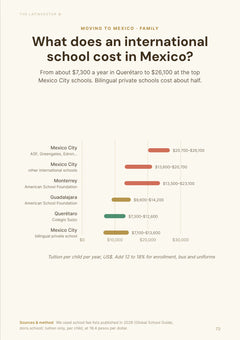
Schooling is the weak spot for families: bilingual Colegio Inglés Playa charges MXN 68,250 to 107,100 (about $3,700 to $5,800) a year in 2026-27, and wider international choice means Cancún.
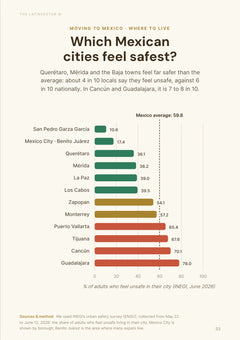
Serious crime is falling: homicides fell 60% across Quintana Roo in the first half of 2026 and 46.4% in Playa del Carmen between January and July. Petty theft, scooter accidents and nightlife are the main risks.
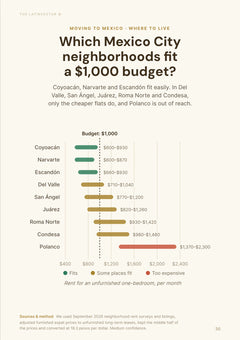
Rent depends on the town: a central one-bedroom averages about MXN 18,470 (about $1,000) in Playa del Carmen and MXN 10,970 (about $600) in Tulum on Numbeo. A modest single life costs about MXN 35,000 to 45,000 (about $1,900 to $2,450) a month.
On a local salary of MXN 40,000 to 50,000 (about $2,150 to $2,700) a month, income tax takes about 17% to 18%, rising to about 22% at MXN 80,000 (about $4,350).
Most expats are American, Canadian or Western European, and live in Playacar, Zazil-Ha, Gonzalo Guerrero, Centro or Selvamar in Playa, in Aldea Zamá, La Veleta or Region 15 in Tulum, or in Puerto Aventuras.
Expats keep arriving, but rising rents push some toward cheaper places like Mérida: housing often takes 30% to 40% of an expat's budget.
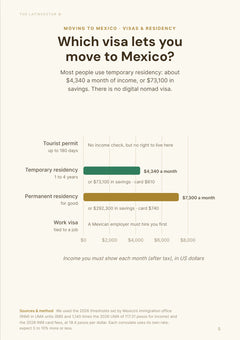
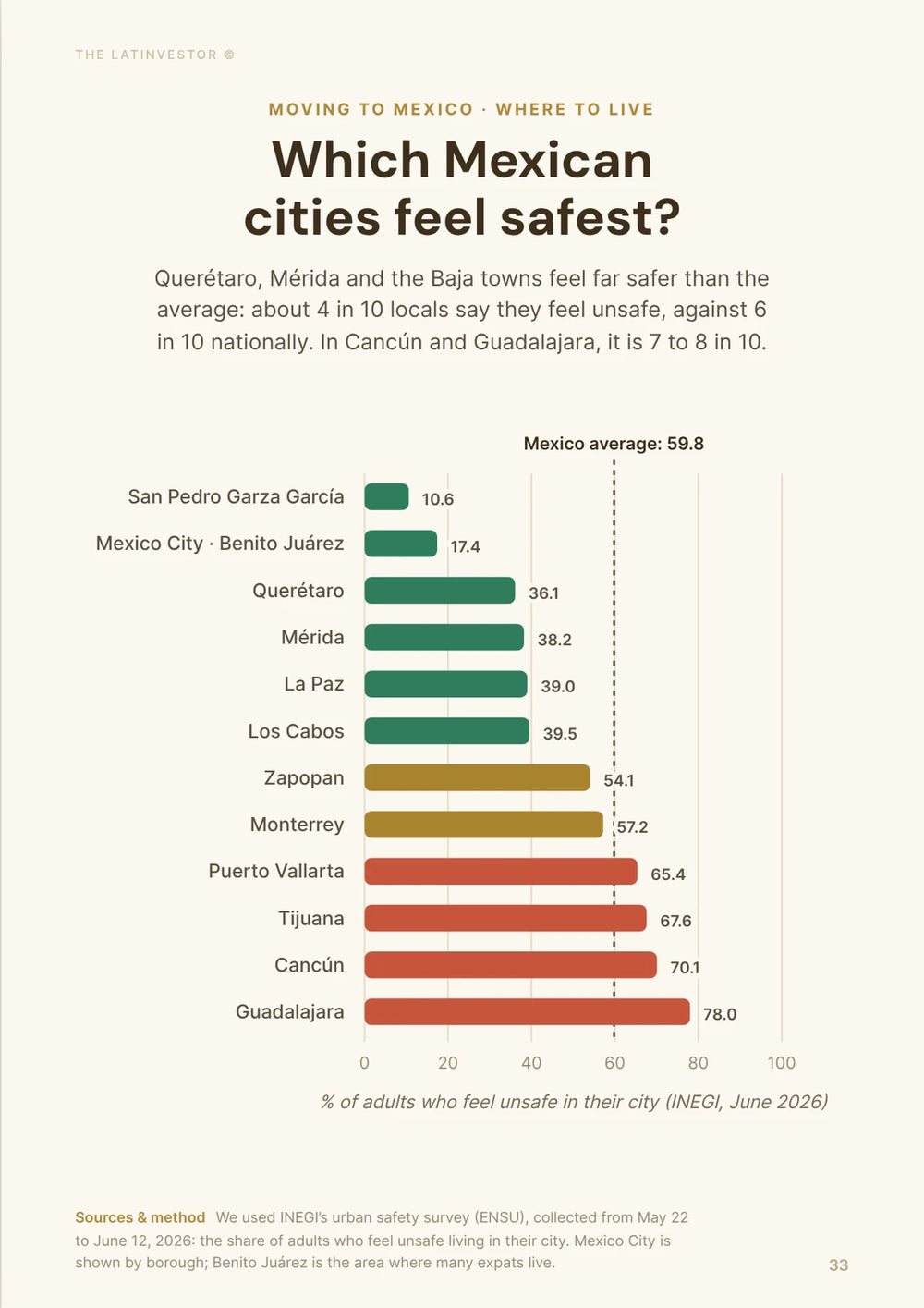
Most come on the Temporary Resident visa, which asks for MXN 79,770.80 (about $4,350) a month of income or MXN 1,337,334 (about $72,500) in savings in 2026, usually about USD 4,200 to USD 4,510 a month once a consulate converts it.
Getting temporary residency takes about two to four months, and after four years you can switch to permanent residency. There is no digital nomad visa.
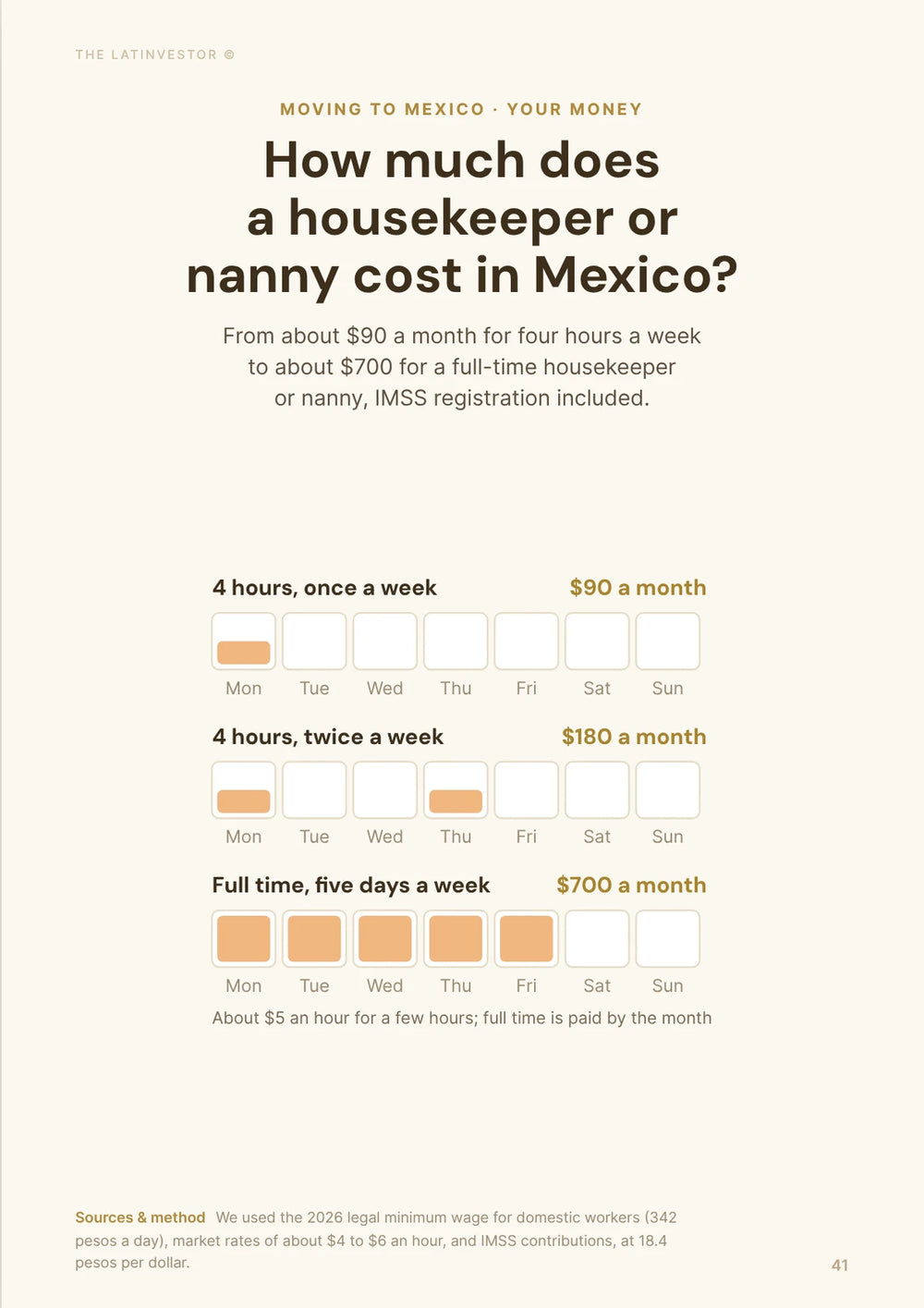
Local jobs are mostly in tourism and real estate. By our estimate, entry and mid-level roles pay MXN 15,000 to 40,000 (about $820 to $2,150) a month, so most expats live on remote income, a pension or their own business.
Expats love the beach, cenotes and easy social life, and dislike rents, traffic on the Playa del Carmen–Tulum highway and sargassum: Playa del Carmen had removed more than 20,000 tonnes by early June 2026.
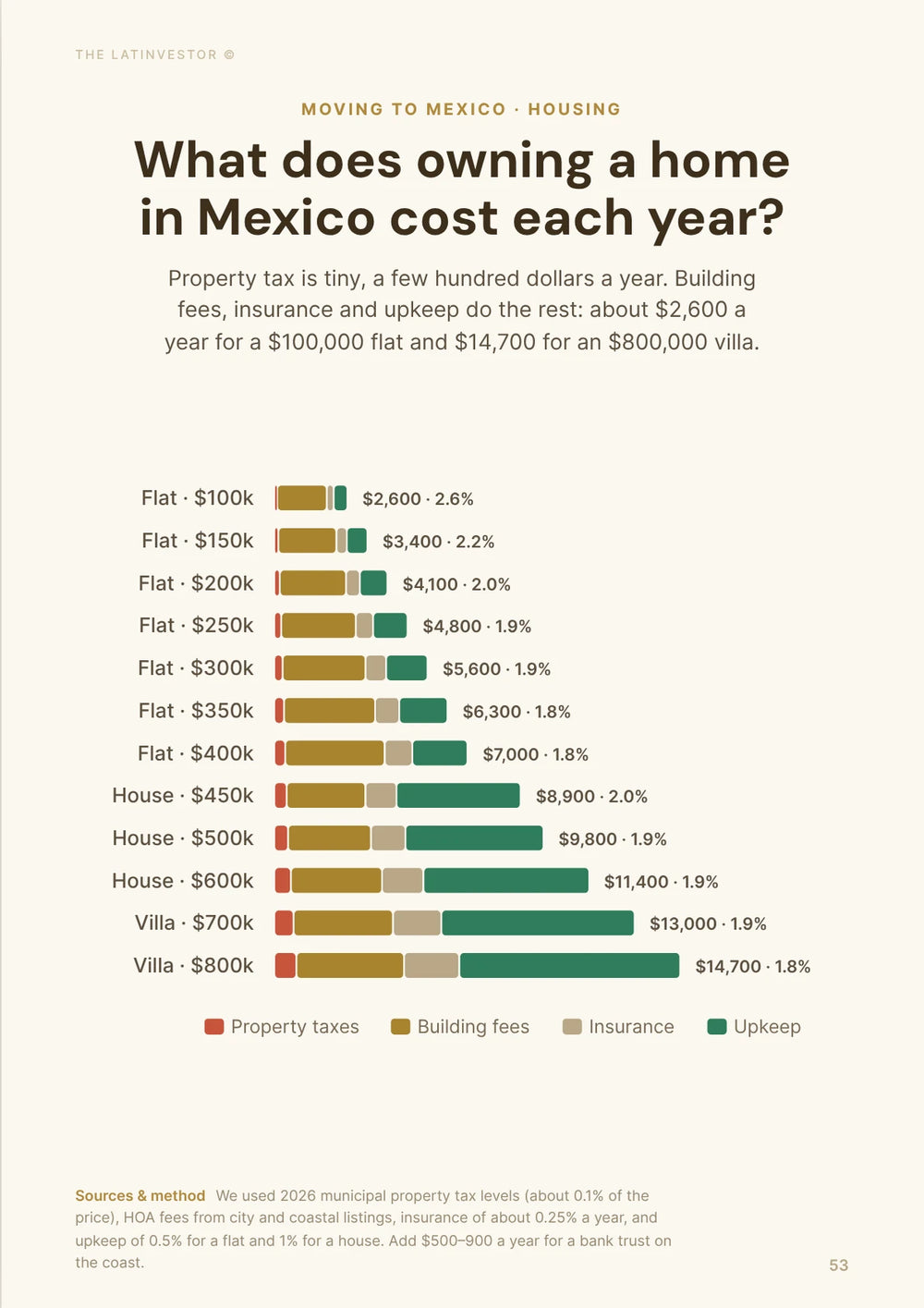
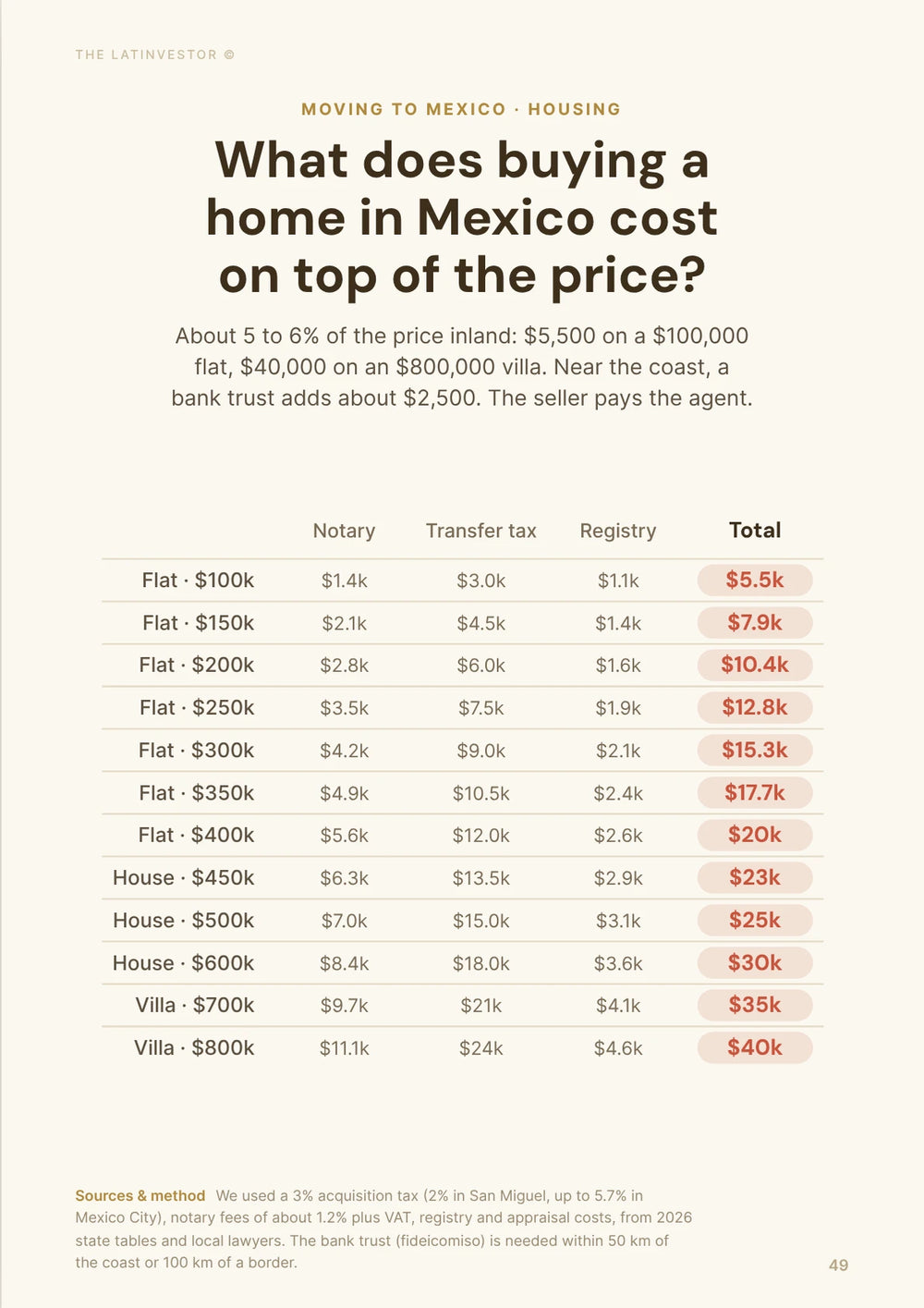
Foreigners can buy, but the whole coast is within 50 km of the sea, so homes are held through a bank trust (fideicomiso).
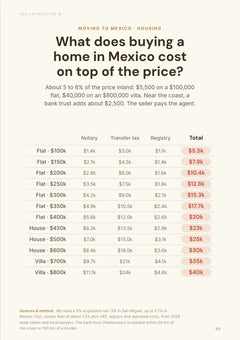
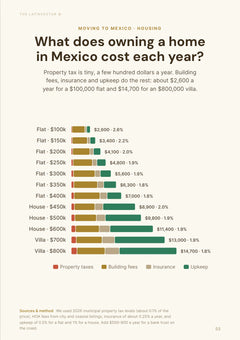
Apartments ask about MXN 51,000 (about $2,750) per m² in Playa del Carmen and MXN 47,300 (about $2,550) in Aldea Zamá. Mortgages for foreigners are hard to get, with down payments of 30% or more.
Bottom line: the Riviera Maya suits remote workers, retirees and families with a foreign income. Choose your town first, Playa for convenience or Tulum for nature, and budget for housing, health insurance and air conditioning.

What are quality of life, healthcare, schools and safety like in the Riviera Maya?
Is quality of life getting better or worse in Riviera Maya in 2026?
In 2026, quality of life in Riviera Maya is improving in terms of services and amenities, but infrastructure struggles to keep pace with rapid growth.
The most noticeable improvement over the past two to three years has been the expansion of healthcare options, with new private hospital branches and specialist clinics opening in Playa del Carmen and along the corridor to serve both tourists and residents.
However, traffic congestion and construction noise have worsened considerably, especially in fast-growing areas like Tulum and downtown Playa del Carmen, where roads and utilities were not designed for the current population surge.
Are hospitals good in Riviera Maya in 2026?
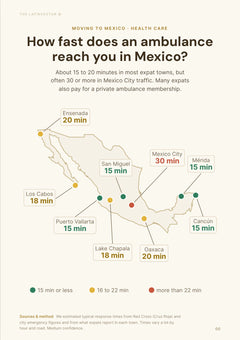
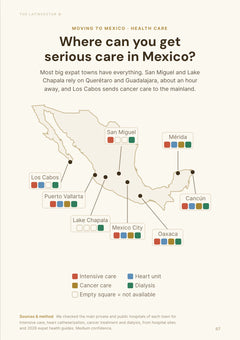
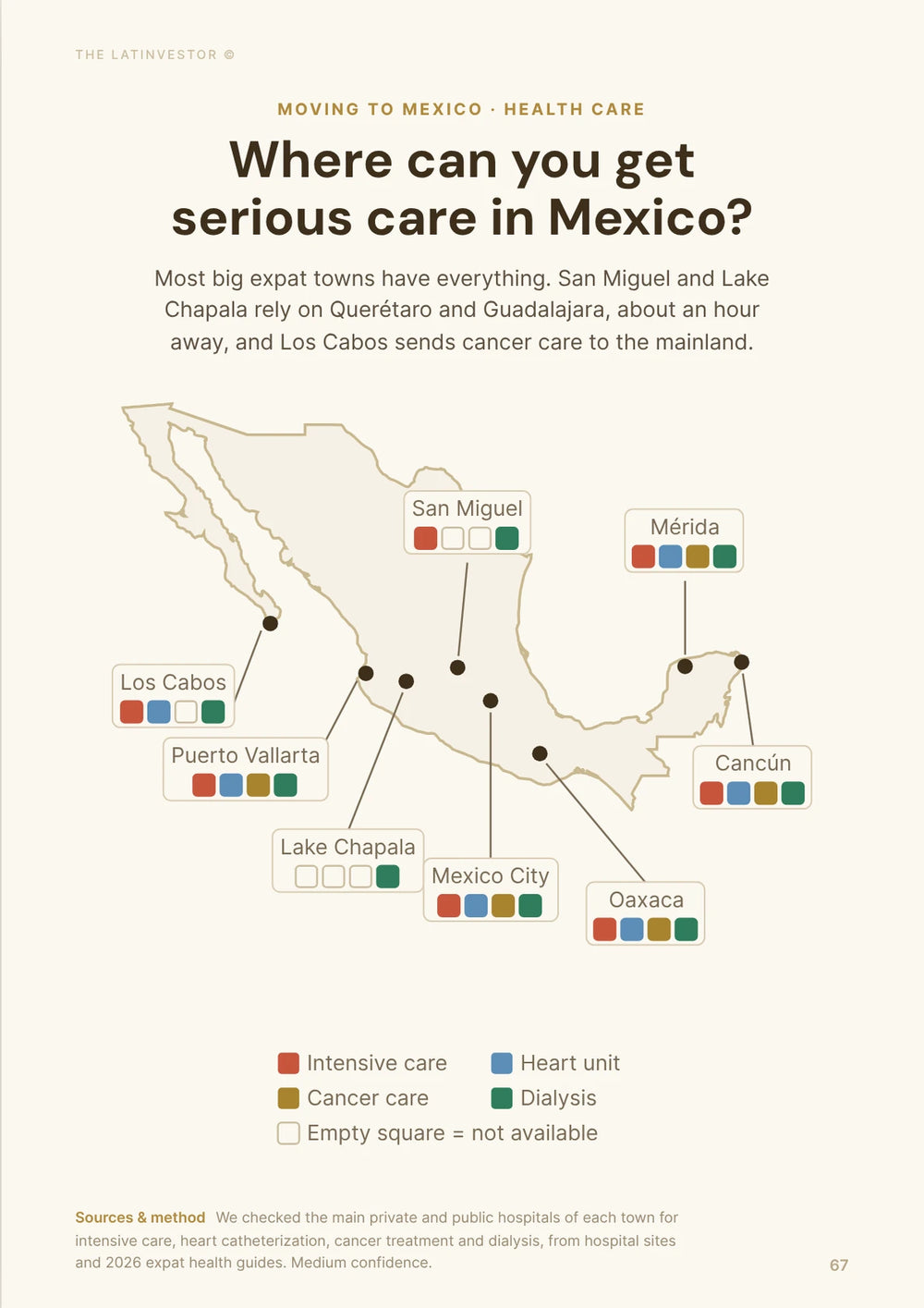
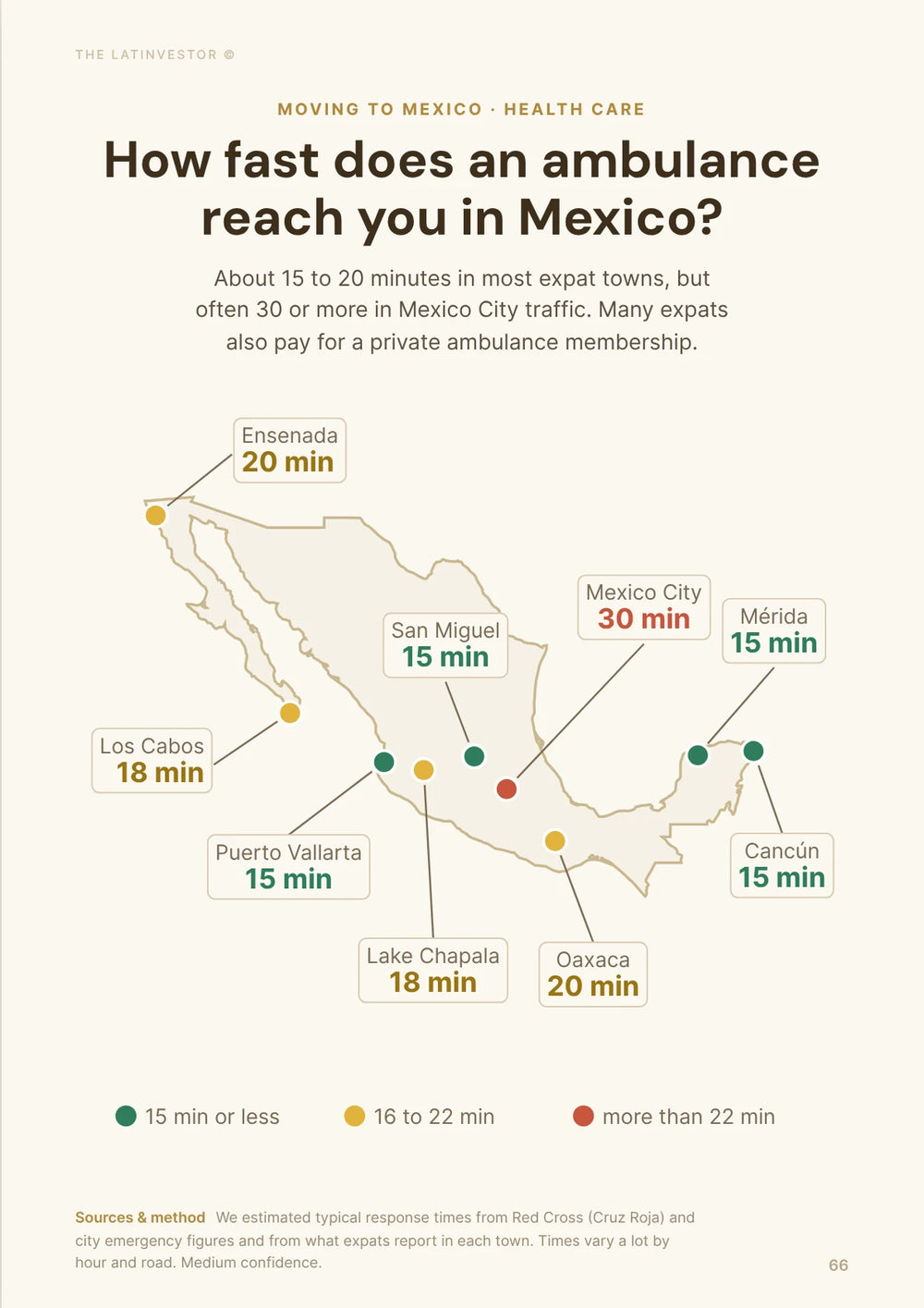
In 2026, private hospitals in Riviera Maya meet or exceed what most North American and European expats expect for everyday care and minor emergencies, though complex cases often get referred to Cancun or Mexico City.
The hospitals expats most commonly recommend in Riviera Maya include Hospiten Riviera Maya in Playa del Carmen, Amerimed Playa del Carmen, and Hospital Joya Playa del Carmen, all of which have English-speaking staff and modern facilities.
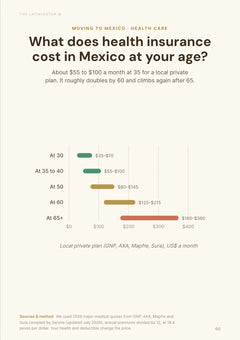
In 2026, general practitioners in Playa del Carmen and Tulum usually list private consultations at MXN 300 to 600 (about $16 to $33) on Doctoralia, while specialist visits often run from MXN 800 to 1,400 (about $43 to $75). Prices are set by each doctor, and hospital consultations cost more.
Private health insurance is strongly recommended for expats living in Riviera Maya, since it gives you faster access to care, predictable English-language support, and coverage at private hospitals where out-of-pocket costs can add up quickly.
Are there any good international schools in Riviera Maya in 2026?
In 2026, Riviera Maya has a limited but growing selection of international schools, with most options concentrated in Playa del Carmen and a few in Tulum, though families seeking deeper international program variety often look to Cancun.
The most reputable international schools among expat families in Riviera Maya include Britt Academy in Playa del Carmen, which offers Cambridge-certified bilingual education, and several bilingual private schools that follow Mexican curricula with strong English instruction.
For the 2026-27 school year, Colegio Inglés Playa, a bilingual private school, charges annual tuition from MXN 68,250 (about $3,700) for the youngest children to MXN 107,100 (about $5,800) in high school, before enrollment fees. More internationally branded campuses, mostly in the Cancun area, cost more.
Waitlists can be long at the handful of schools with strong English delivery and stable campuses, so expat families are advised to apply well in advance, while public schools remain a less practical option for most expats due to language barriers and curriculum differences.
Is Riviera Maya a dangerous place in 2026?
In 2026, Riviera Maya is generally considered "tourist-safe with sharp edges," meaning most expats feel comfortable day-to-day in the right neighborhoods while remaining aware that safety concerns are real and require common-sense precautions.
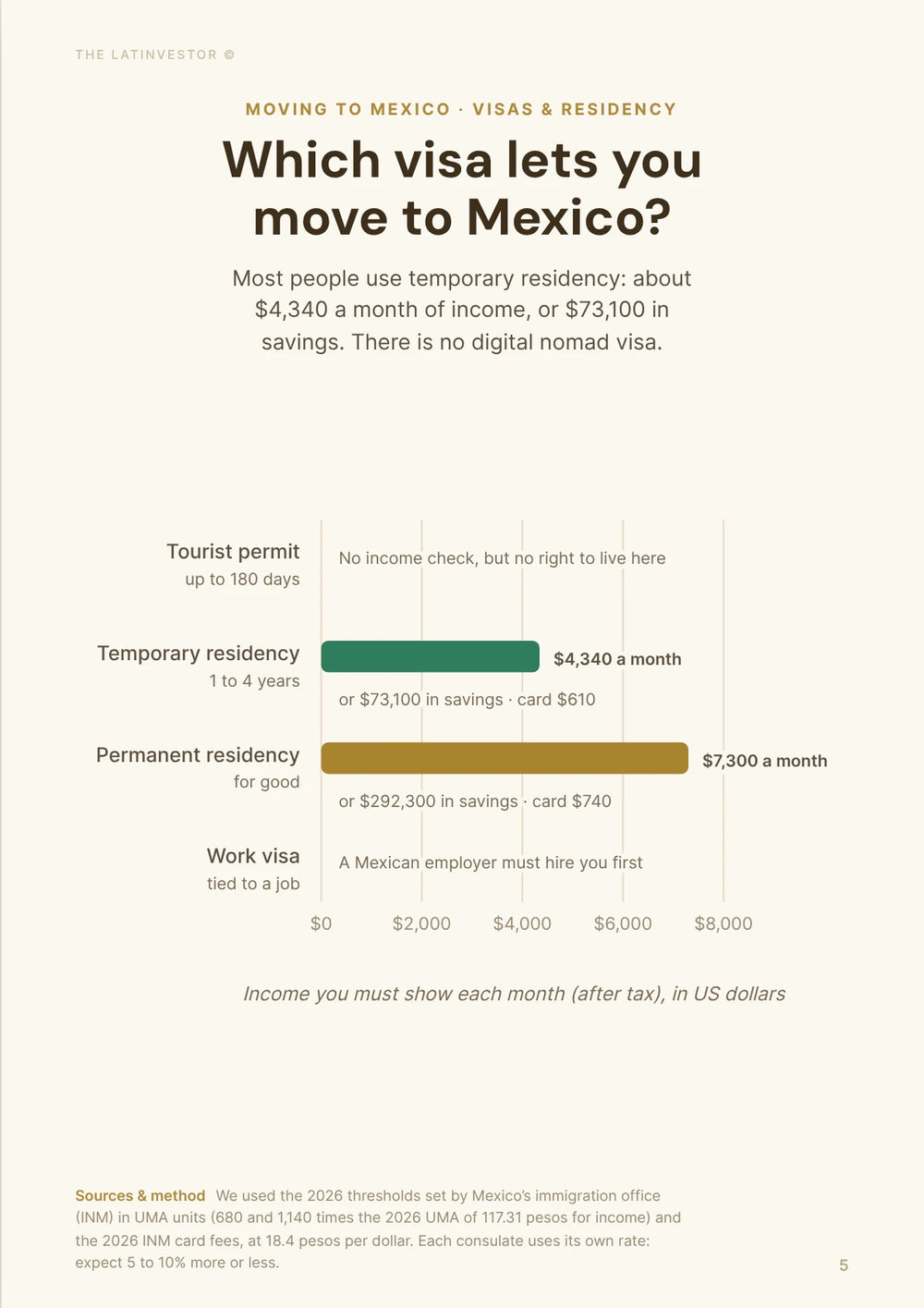
The most common safety concerns for expats in Riviera Maya involve petty theft, scooter accidents, and risks associated with nightlife areas, rather than the cartel violence that affects other parts of Mexico, though occasional incidents do make headlines.
Serious crime is falling: intentional homicides across Quintana Roo fell 60% in the first half of 2026 compared with the first half of 2025, and by 46.4% in Playa del Carmen between January and July.
The neighborhoods generally considered safest for expats in Riviera Maya include Playacar, Zazil-Ha, Gonzalo Guerrero, and Selvamar in Playa del Carmen, as well as Aldea Zama and Puerto Aventuras, which is a gated marina community between Playa and Tulum.
Women can and do live alone safely in Riviera Maya, with many choosing walkable areas like Playacar or central Playa del Carmen, though standard precautions like avoiding isolated areas at night, using trusted transportation, and staying alert in nightlife zones are commonly recommended.
How much does everyday life cost in Riviera Maya in 2026?
What monthly budget do I need to live well in Riviera Maya in 2026?
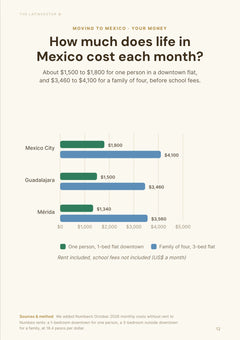
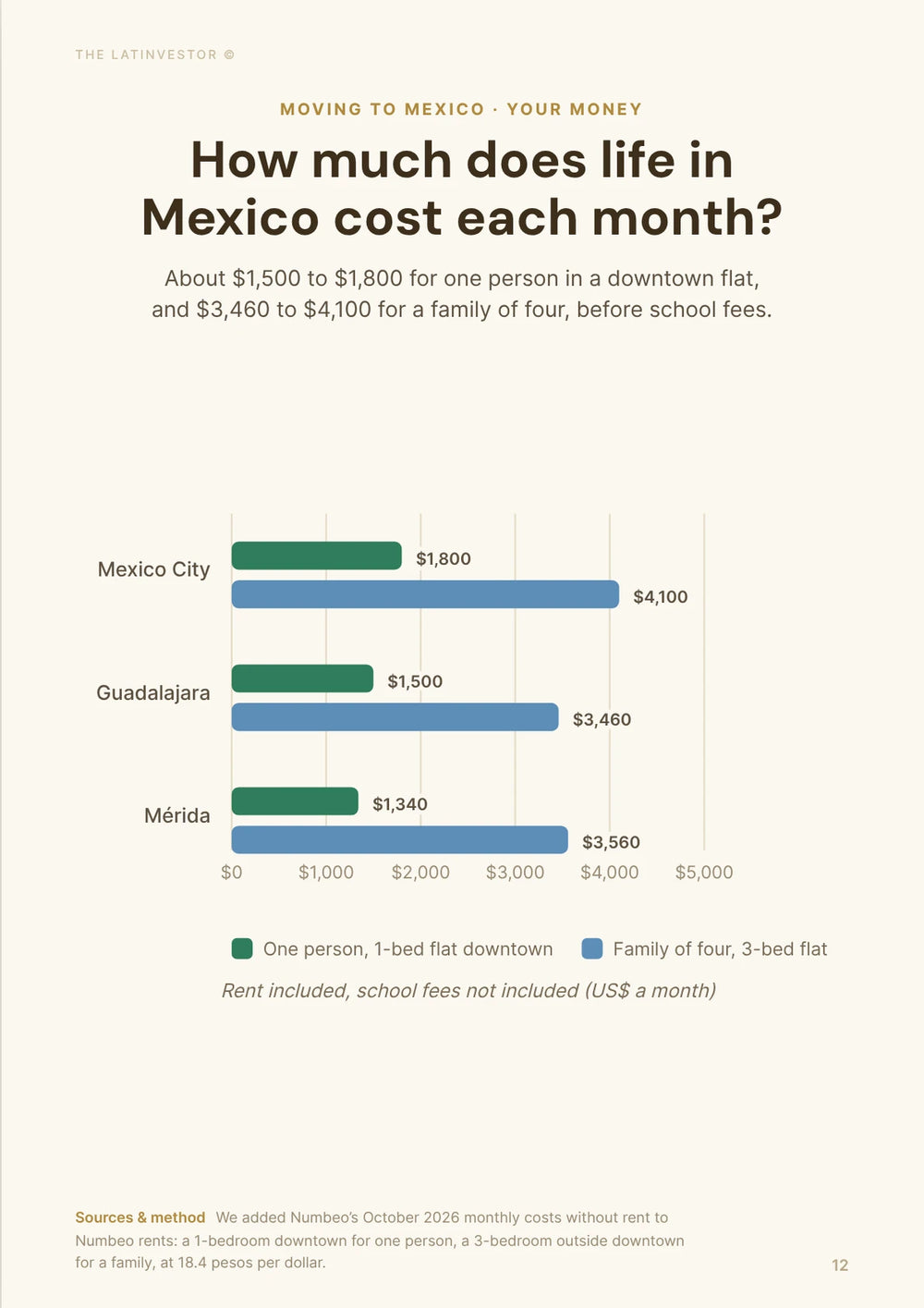
In 2026, by our estimate, a single person needs roughly MXN 60,000 (about $3,250) per month to live comfortably in the Riviera Maya, covering a nice one-bedroom apartment, air conditioning, eating out regularly, and some leisure activities.
For a more modest but still decent lifestyle in Riviera Maya, a single person can manage on around MXN 35,000 to 45,000 (about $1,900 to $2,450) per month, though this means a simpler apartment, cooking at home more often, and fewer extras.
A more comfortable or upscale lifestyle in Riviera Maya, including a larger apartment in a premium area, frequent dining out, a car, and travel, runs closer to MXN 80,000 to 100,000 (about $4,350 to $5,450) per month for a single person, or MXN 150,000 (about $8,150) or more for a family with international school costs.
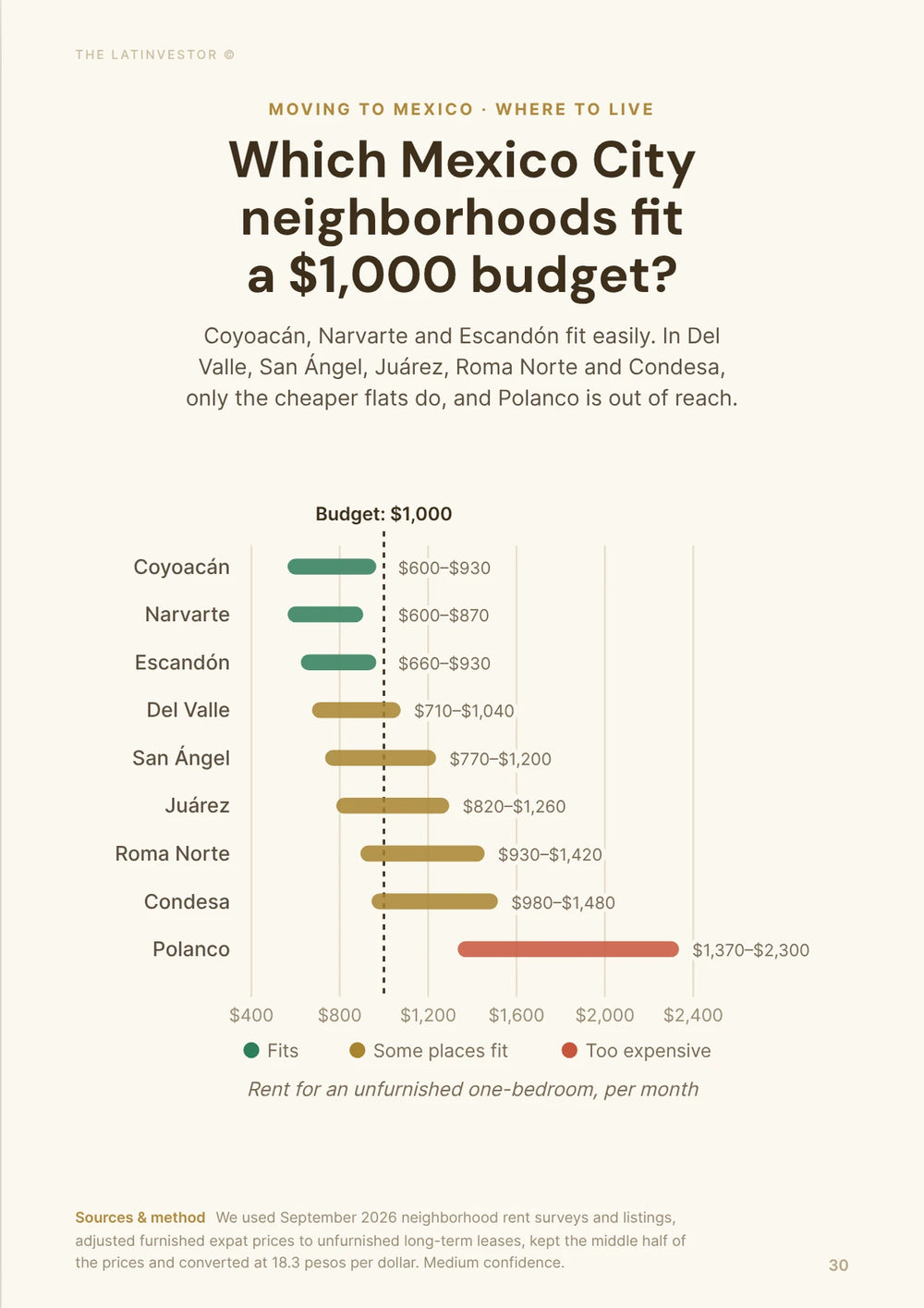
Housing is by far the largest expense in the Riviera Maya, often consuming 30 to 40 percent of an expat's budget, and it depends a lot on the town: Numbeo puts a one-bedroom in the center at about MXN 18,470 (about $1,000) a month in Playa del Carmen and MXN 10,970 (about $600) in Tulum, with air conditioning during hot months adding significantly to electricity bills in ways that surprise many newcomers.
What is the average income tax rate in Riviera Maya in 2026?
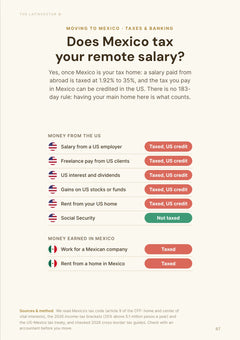
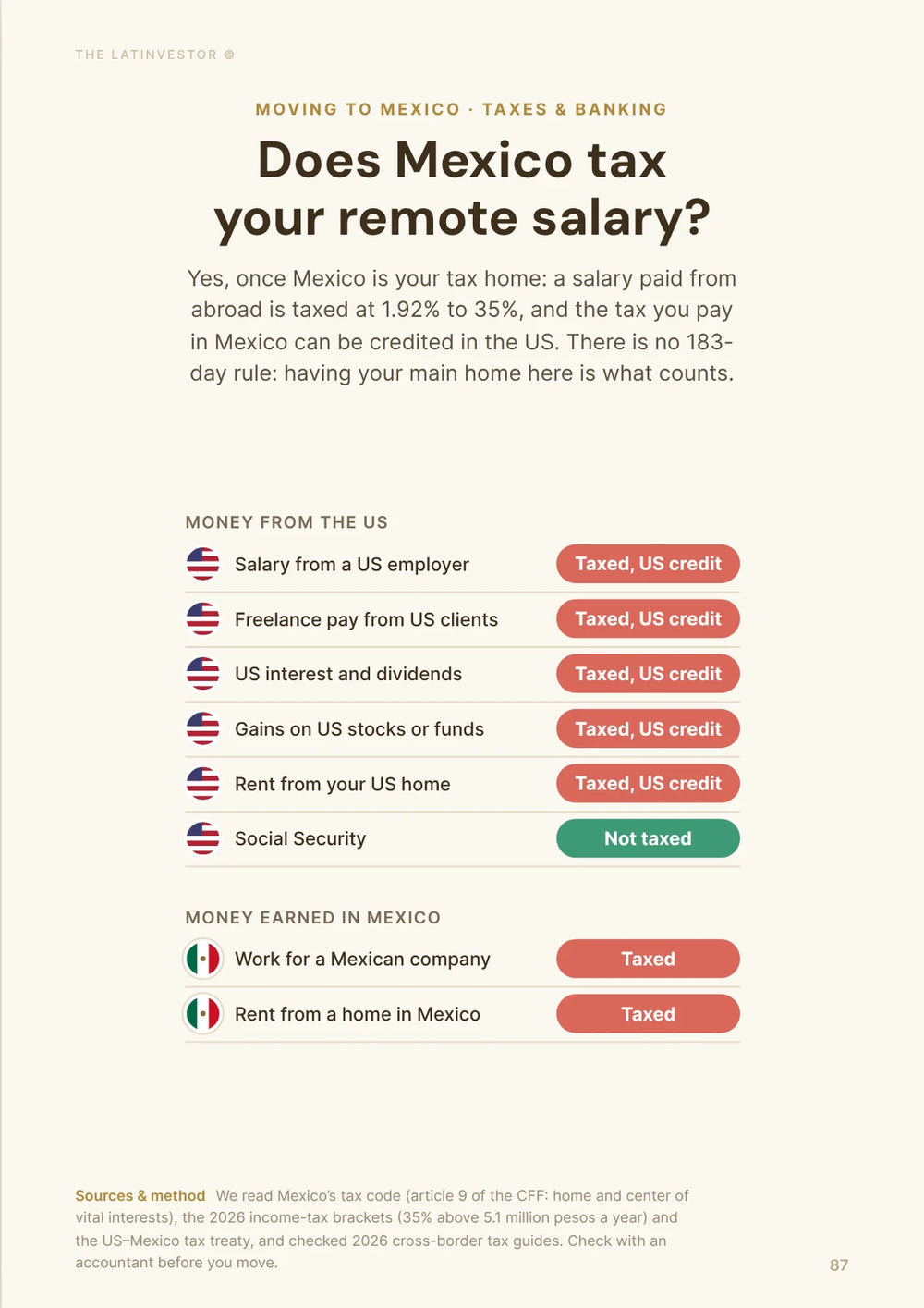
In 2026, a typical middle-income earner in Riviera Maya with a gross salary around MXN 40,000 to 50,000 (about $2,150 to $2,700) per month pays an effective income tax rate of roughly 17 to 18 percent under the 2026 withholding table (about 16.9% at the bottom of that range and 18.2% at the top), before personal deductions.
Mexico's income tax brackets range from about 1.9 percent at the lowest income levels up to 35 percent for the highest earners, so an expat earning MXN 80,000 (about $4,350) per month will see an effective rate of about 22 percent, while someone at MXN 150,000 (about $8,150) monthly pays roughly 26 to 27 percent.
What kind of foreigners actually live in Riviera Maya in 2026?
Where do most expats come from in Riviera Maya in 2026?
In 2026, the largest expat groups in the Riviera Maya come from the United States, Canada, and Western Europe (particularly Spain, Italy, France, and Germany), with a growing number of South Americans from Argentina and Colombia.
While exact local figures are hard to pin down, Mexico-wide residency data shows hundreds of thousands of foreign temporary and permanent residents, and Quintana Roo attracts a disproportionate share due to its tourism economy and direct flight connections.
The main reason expats from these countries are drawn to Riviera Maya is the combination of beach lifestyle, affordable cost of living compared to home, year-round warm weather, and the ease of finding English-speaking services in a tourism-heavy region.
The expat population in Riviera Maya is a genuine mix of retirees (especially Canadian and American snowbirds), remote workers and digital nomads attracted by the lifestyle, and working professionals in hospitality, real estate, and tourism-related businesses.
Where do most expats live in Riviera Maya in 2026?
In 2026, expats in Riviera Maya concentrate most heavily in Playa del Carmen neighborhoods like Playacar, Zazil-Ha, Gonzalo Guerrero, Centro, and Selvamar, as well as Tulum areas including Aldea Zama, La Veleta, and Region 15, plus the master-planned community of Puerto Aventuras.
What makes these neighborhoods attractive is the combination of walkability, proximity to beaches and cafes, relatively reliable infrastructure compared to newer developments, and a critical mass of other expats that creates a built-in social scene and English-friendly services.
Emerging neighborhoods that are starting to attract more expats include areas around Chemuyil and Akumal for those seeking quieter coastal living, and some inland developments near Playa del Carmen that offer lower rents in exchange for being further from the beach.
Are expats moving in or leaving Riviera Maya in 2026?
In 2026, the Riviera Maya still seems to attract more expats than it loses, though no official figure confirms it, and the pace has become more selective as rising costs push some people toward less expensive Mexican destinations or back home.
The main factor driving expats to move to Riviera Maya right now is the lifestyle package of beaches, warm weather, coworking infrastructure, and a large international community that makes the transition easier than in less touristed parts of Mexico.
The main factor causing some expats to leave Riviera Maya recently is the sharp increase in rental prices, with furnished apartments in popular neighborhoods now costing significantly more than just two or three years ago, combined with frustration over traffic and construction disruption.
Compared to similar destinations in the region like Puerto Vallarta or Merida, Riviera Maya remains one of the highest-volume expat magnets in Mexico, though Merida has gained ground among those seeking lower costs and a more traditionally Mexican atmosphere.
What paperwork do I need to move to Riviera Maya in 2026?
What visa options are popular in Riviera Maya in 2026?
In 2026, the three most popular visa types for expats moving to Riviera Maya are the Temporary Resident visa based on financial solvency (common for remote workers and retirees), the Temporary Resident visa via job offer (for those with Mexican employers), and Family Unity visas for those with Mexican spouses or family members.
The most commonly used Temporary Resident visa requires proof of economic solvency, which typically means showing bank statements with a minimum balance or consistent monthly income over the past several months, In 2026, the rule is a monthly income of 680 UMA, MXN 79,770.80 (about $4,350), or savings of 11,400 UMA, MXN 1,337,334 (about $72,500). Consulates convert this into dollars differently, usually about USD 4,200 to USD 4,510 a month or USD 70,000 to USD 75,950 in savings (the consulate in San Diego asks for USD 4,510 or USD 75,950).
Mexico does not currently offer a formal "digital nomad visa," but many remote workers qualify for the Temporary Resident visa through economic solvency requirements, and some simply use the tourist permit while working remotely (a gray area for extended stays, and immigration officers now often grant fewer than the maximum 180 days).
The first Temporary Resident card is usually valid for one year, then it can be renewed in Mexico for one to three more years, and converted to Permanent Residency after four consecutive years.
How long does it take to get residency in Riviera Maya in 2026?
In 2026, the typical total processing time to obtain Temporary Residency in Riviera Maya is roughly two to four months from start to finish, including two to eight weeks for the consular stage in your home country and another two to six weeks for the in-country card issuance at an INM office.
Common factors that can delay the process include incomplete documentation, high-demand periods at consulates, and backlogs at local INM offices in tourist areas, while having all paperwork perfectly prepared and booking consulate appointments early can speed things up significantly.
To become eligible for Permanent Residency, an expat must live in Mexico continuously for four years on Temporary Resident status, while citizenship requires five years of residency and passing a Spanish language and Mexican history/civics test.
How hard is it to find a job in Riviera Maya in 2026?
Which industries are hiring the most in Riviera Maya in 2026?
In 2026, the industries hiring most actively in Riviera Maya are tourism and hospitality (hotels, restaurants, tour operators), real estate and construction (driven by ongoing development), and retail and services catering to the large tourist and expat population.
Getting hired in Riviera Maya without speaking Spanish is realistic mainly in international-facing hospitality roles, real estate sales targeting foreign buyers, and remote positions, but for most local economy jobs, Spanish proficiency is a significant advantage that opens far more doors.
The types of roles most accessible to foreign job seekers in Riviera Maya include hotel management and guest services at international chains, real estate agent positions with agencies targeting foreign buyers, dive instructors and tour guides, and various remote or freelance work that simply requires a good internet connection.
What salary ranges are common for expats in Riviera Maya in 2026?
In 2026, by our estimate, expat incomes in the Riviera Maya range widely from MXN 12,000 to 150,000 (about $650 to $8,150) per month depending on the industry, role, and whether you work locally or remotely for a foreign employer.
Entry-level and mid-level positions in hospitality, sales, or operations in Riviera Maya typically pay between MXN 15,000 and MXN 40,000 (about $820 and $2,150) per month, which covers local living but may feel tight in higher-cost beach neighborhoods. For example, a restaurant manager job posted in Playa del Carmen in July 2026 offered MXN 34,980 (about $1,900) a month after tax.
Senior or specialized expat roles, such as hotel general managers, real estate directors, or niche technical specialists, can earn MXN 70,000 to 150,000 (about $3,800 to $8,150) per month or more, though these positions are less common and more competitive.
Employers in Riviera Maya do sponsor work visas, particularly larger hotel chains and established companies, but it is not automatic and requires the employer to go through the formal INM authorization process, so many expats arrive with remote income or secure offers before moving.
What's daily life really like for expats in Riviera Maya right now?
What do expats love most about living in Riviera Maya right now?
Expats consistently praise three things about Riviera Maya: the incredible lifestyle density (beach, cenotes, ruins, and cafes all within easy reach), the ease of getting by in English thanks to the tourism economy, and how quickly you can build a social circle in the established expat bubbles of Playa del Carmen and Tulum.
The lifestyle benefit expats mention most often is the ability to swim in the Caribbean, work from a beachside coworking space, explore a cenote, and have dinner at a great restaurant all in the same day without it feeling rushed or expensive.
On the practical side, expats appreciate that Riviera Maya has reliable high-speed internet, modern supermarkets like Chedraui and La Comer, international delivery services, and a growing selection of gyms, clinics, and coworking spaces that make daily life genuinely convenient.
Socially, the international mix creates a welcoming environment where it is easy to meet people from all over the world, and the transient nature of the expat community means newcomers are constantly arriving and looking to connect.
What do expats dislike most about life in Riviera Maya right now?
The most common complaints from expats in Riviera Maya center on rising rental prices (especially for furnished apartments), heavy construction noise and traffic in fast-growing areas, and the seasonal challenges of sargassum seaweed on beaches (Playa del Carmen alone had removed more than 20,000 tonnes by early June 2026) and hurricane season anxiety.
The daily inconvenience that frustrates expats most is traffic, particularly on the main highway between Playa del Carmen and Tulum, where development has outpaced road infrastructure and a trip can take far longer than it should during peak times.
On the bureaucratic side, the biggest headache is the contrast between "tourist efficiency" (where everything works smoothly) and the slower pace of official processes like residency card renewals, opening bank accounts, or setting up utilities, which can involve multiple trips and unpredictable wait times.
Most expats consider these frustrations manageable rather than deal-breakers, viewing them as the trade-off for the lifestyle benefits, though some do eventually relocate to quieter or less expensive parts of Mexico when the annoyances outweigh the appeal.
What are the biggest culture shocks in Riviera Maya right now?
The biggest culture shocks for expats moving to Riviera Maya include the pace of bureaucracy (things take longer than you expect), the prevalence of cash and bank transfers for rent and larger purchases, and the need to maintain constant situational awareness about safety that becomes second nature to locals.
The social norm that surprises newcomers most is how informal agreements and personal relationships often matter more than written contracts, meaning your landlord, your mechanic, and your immigration fixer all become part of an informal network you learn to navigate.
The daily routine adjustment that takes longest is adapting to the heat and humidity, which affects everything from when you exercise (early morning or evening) to how you dress (always casual, always light) to accepting that you will sweat through most outdoor activities between April and October.
Can I buy a home as a foreigner in Riviera Maya in 2026?
Can foreigners legally own property in Riviera Maya in 2026?
In 2026, foreigners can legally own property in Riviera Maya, but because the entire coastal corridor falls within Mexico's "restricted zone" (within 50 kilometers of the coast), foreign buyers must purchase through a bank trust called a fideicomiso rather than holding direct title.
The fideicomiso is a standard, well-established mechanism where a Mexican bank holds nominal title on your behalf while you retain all ownership rights, including the ability to sell, rent, renovate, or pass the property to heirs, and it requires authorization from Mexico's Ministry of Foreign Affairs (SRE).
Foreigners can own apartments, houses, and condos through a fideicomiso without significant restrictions, though purchasing raw land for development involves additional permits and due diligence, especially in areas with ejido (communal land) history.
What is the average price per m² in Riviera Maya in 2026?
In 2026, there is no single price per square meter for the Riviera Maya. Apartment asking prices average about MXN 51,000 (about $2,750) per square meter in Playa del Carmen, MXN 60,000 (about $3,250) in Zazil-Ha, MXN 47,300 (about $2,550) in Aldea Zamá and MXN 42,900 (about $2,350) in La Veleta, according to Propiedades.com, and beachfront or premium projects cost much more.
Property prices in Riviera Maya have risen steadily over the past two to three years, driven by strong international demand, limited beachfront inventory, and continued development, and official SHF data show home prices up 7.31% across Mexico in the year to the second quarter of 2026.
Do banks give mortgages to foreigners in Riviera Maya in 2026?
In 2026, mortgage availability for foreigners in the Riviera Maya is limited but not impossible, with the best chances going to those who already have Mexican residency, local income, and an established credit history in Mexico.
Banks that have been known to work with foreign buyers include Scotiabank Mexico, HSBC Mexico, and Santander Mexico, though policies change frequently and approval depends heavily on individual circumstances.
Typical mortgage conditions for foreigners who do qualify often include down payments of 30 percent or more, interest rates of roughly 11 to 12 percent (Numbeo's indicative rates in Playa del Carmen and Tulum run from about 10.8% to 11.6% in 2026), and shorter loan terms, which are less favorable than what Mexican nationals can access.
To qualify, foreigners typically need to provide proof of legal residency, documented income (ideally from Mexican sources), bank statements, identification, and sometimes proof of the property's fideicomiso status, though many foreign buyers end up using developer financing, cash, or international lending alternatives instead.
Our methodology
This article looks at what it is like to live in the Riviera Maya as an expat, mainly in Playa del Carmen, Tulum and Puerto Aventuras: quality of life, healthcare, schools, safety, monthly budgets, income tax, who the expats are and where they live, visas and residency, jobs and salaries, daily life, and buying a home as a foreigner.
The Riviera Maya is a region, not a city, so we give figures town by town where it matters. Budgets and salary ranges are our own estimates, built from rents, everyday prices and local pay data. Rents come from Numbeo, apartment prices per m² from Propiedades.com, home price trends from SHF, security from the federal security ministry and Playa del Carmen's figures, doctors' fees from Doctoralia and school fees from the schools themselves.
Visa and residency rules come from INM, Mexican consulates and the 2026 UMA value (MXN 117.31 a day). Tax rates come from SAT's 2026 ISR tables. Property rules come from SRE's restricted-zone guidance.
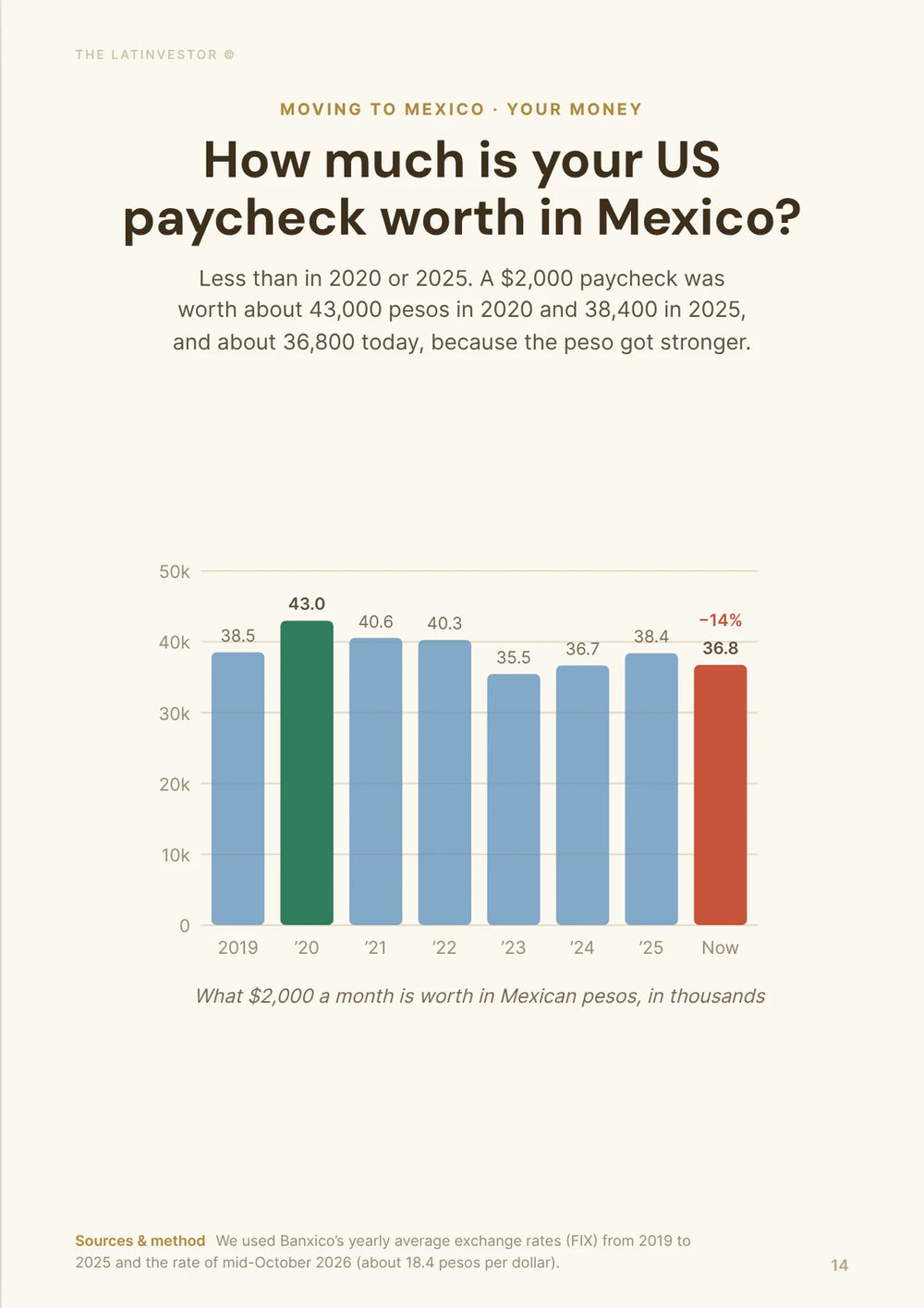
We checked these figures in October 2026. Peso amounts are converted at about 18.4 pesos per US dollar (October 2026).
Some points have no reliable official figure, such as the number of expats in the region, expat salaries or a single regional price per m². There we gave a range, labeled it as our estimate, or kept it general. Listing prices are asking prices, not signed deals.
Key sources used for this analysis include INEGI, Banco de Mexico, Inmuebles24, SAT, INM, SRE, PROFECO, Sedetur Quintana Roo, US State Department, SEQ Quintana Roo, Mexico's federal security ministry, Playa del Carmen municipality, Doctoralia, Colegio Inglés Playa, Numbeo (Playa del Carmen), Numbeo (Tulum), Mexican consulate in San Diego, CityLaws, Servicio Nacional de Empleo, Propiedades.com, SHF housing price index and Hospital Joya Playa del Carmen.