Summary
It is a fair time to buy a well-priced town flat in Argentine Patagonia, not a bargain time: in October 2026 a median 1-bedroom lists at about USD 155,000 in Bariloche and USD 110,000 in Ushuaia, and good units close only about 3.5% below asking.
Prices are not falling in dollars: one Bariloche index shows asking prices up about 17.8% over 12 months, while Buenos Aires closing prices were down 0.4%, so part of that rise is sellers asking more than buyers pay.
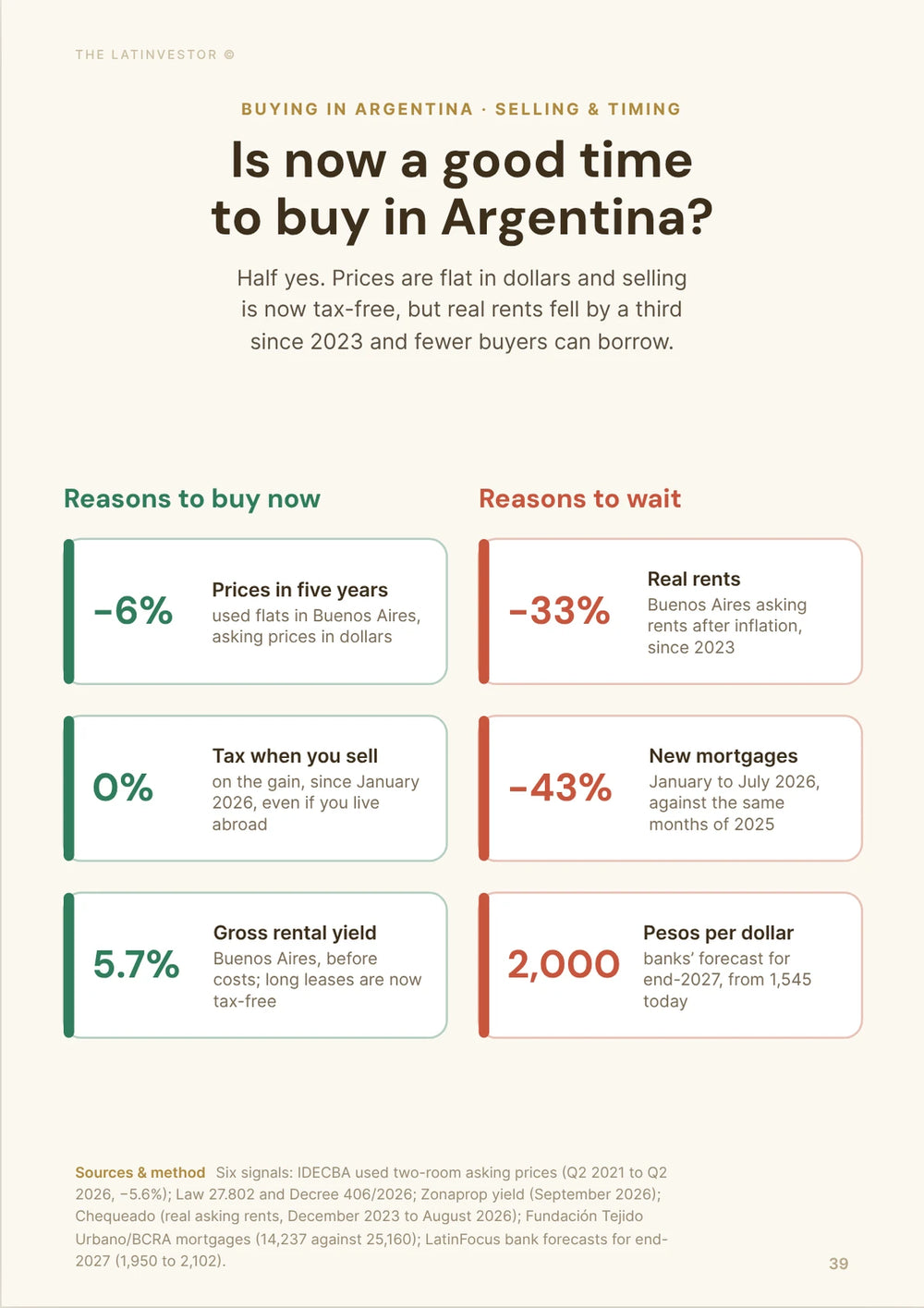
A crash looks unlikely, because most buyers pay cash, but credit is not helping either: Argentina granted 14,237 mortgages from January to July 2026, 43% fewer than a year earlier.
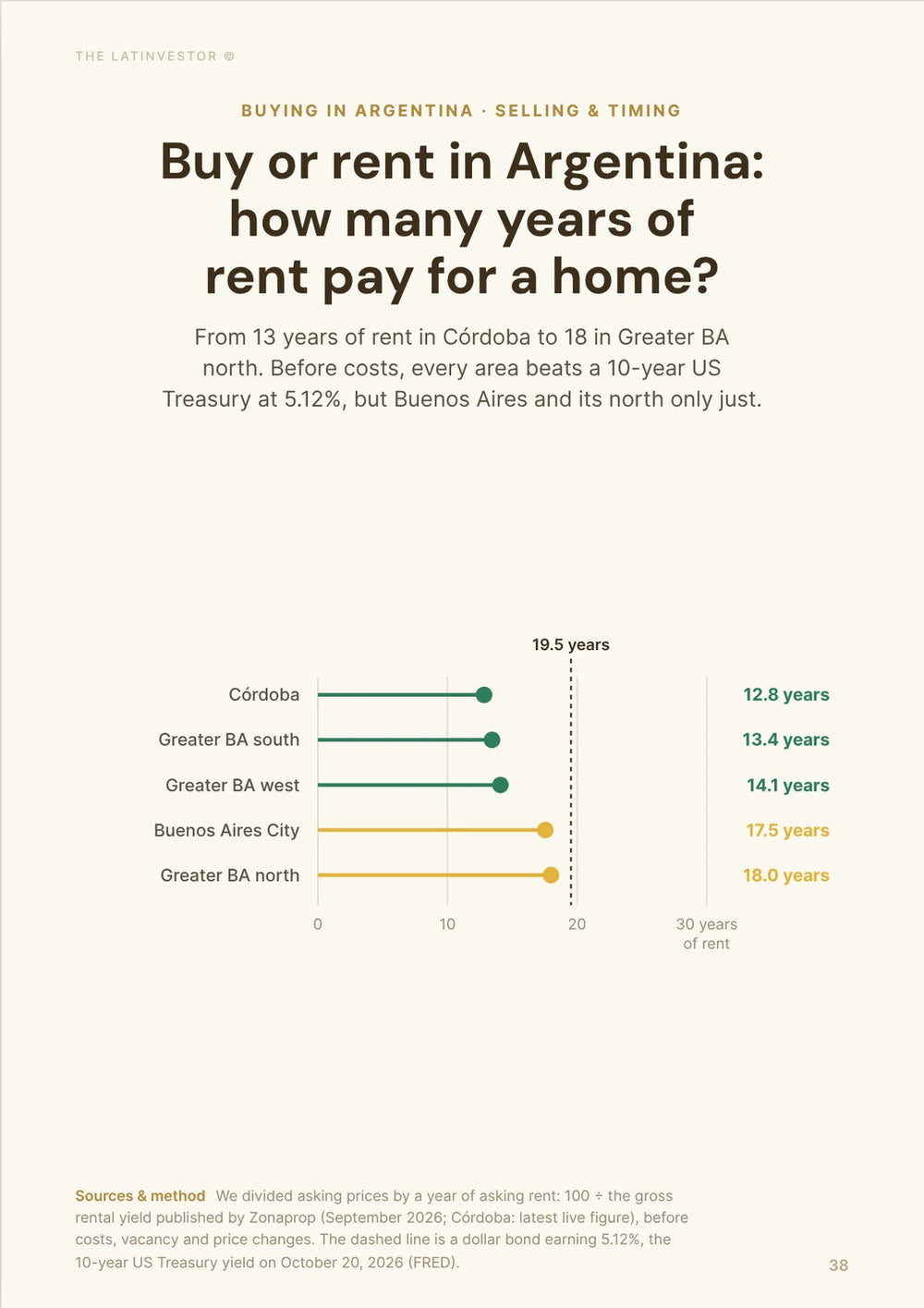
Against rents, prices look about fair: a median 2-bedroom costs about 17.6 years of rent in Bariloche and 18.2 in Neuquén, close to the 17.5 years of Buenos Aires.
The strong peso is the 2026 catch: consumer prices rose about 23.6% from January to September while the dollar rose only about 4.9%, so everything paid in pesos got dearer for a foreign buyer.
New infrastructure supports a few corridors: the Vaca Muerta Oil Sur pipeline was past 70% complete in July 2026, and Bariloche's ARS 4,475 million airport road (about USD 2.9 million) is under construction.
Finding a long-term tenant is not hard where supply is thin: Roomix counted only about 136 long-term rental ads in Bariloche against 850 homes for sale in October 2026.
But rents are losing to inflation: Bariloche asking rents were flat over 12 months and Neuquén rents rose 25%, against 33.4% inflation.
Short-term rental competition is growing fast: active Airbnb listings rose 23% in Bariloche and 52% in San Martín de los Andes over the year to September 2026.
New supply stays tight and expensive: national construction costs rose 31.3% in pesos over the 12 months to September 2026, faster than most asking prices in dollars.
Selling later costs money: buying plus selling fees come to roughly 10% to 15% of the price, about USD 15,000 to 22,500 on a USD 150,000 flat, so plan to hold for several years.
One 2026 change helps a foreign buyer: resale gains by individuals are now exempt from income tax; but a non-resident's rent still faces a default 21% withholding on the gross.
Rural and lakeside plots are the exception: since a Supreme Court ruling on 9 October 2026, the 15% caps on foreign ownership of rural land apply again pending a final decision.
Bottom line: buy now only if you find a small, warm, legally clean flat or house in town, negotiate 3% to 5% off (more on stale listings), and expect a gross rent yield near 5.5%, not a quick price gain.

What are prices and sellers doing in Patagonia in late 2026?
Do real estate prices look too high in Patagonia in 2026?
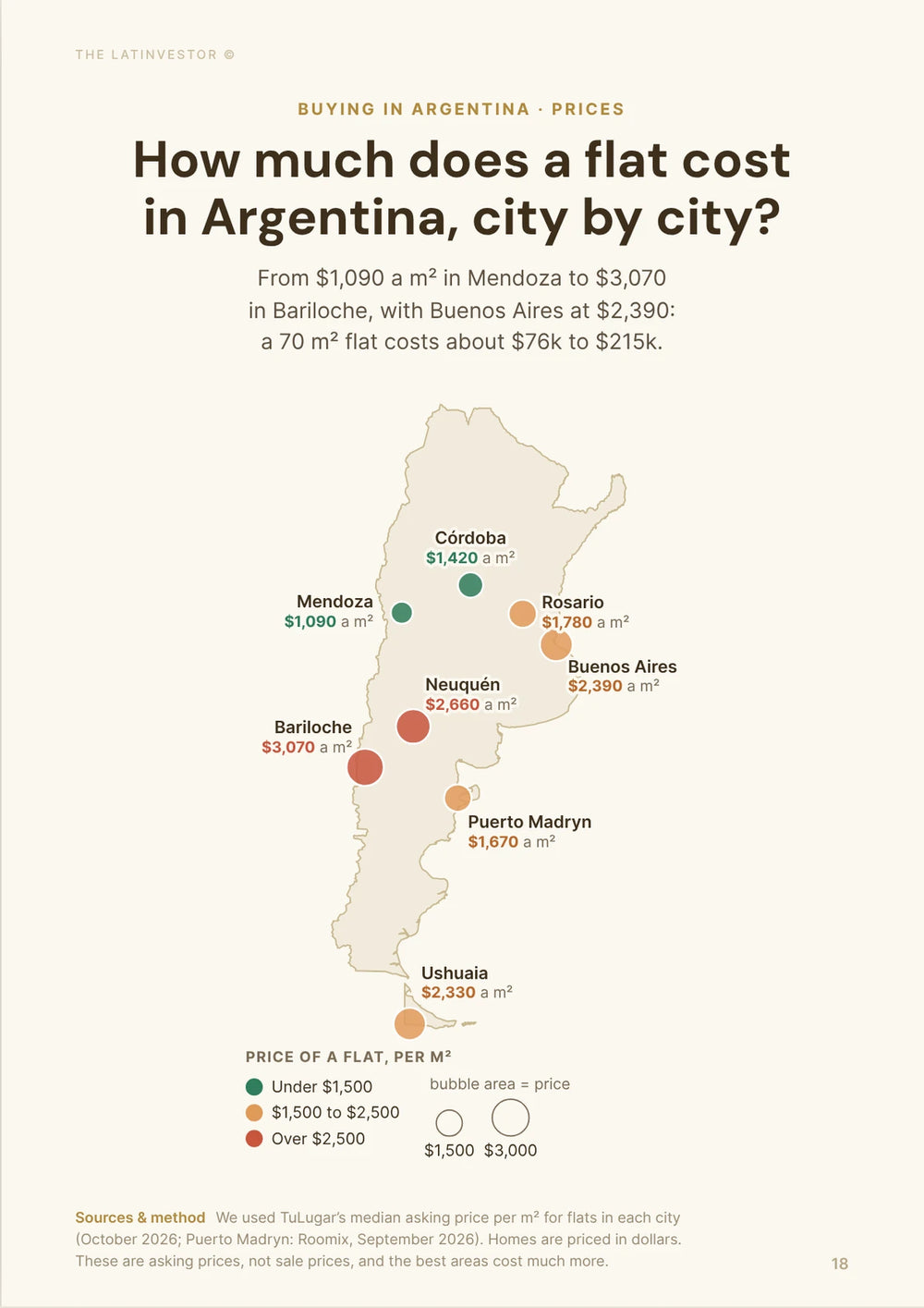
In the famous lake and ski towns, yes, a bit. Apartments list at a median of about USD 3,067 per square meter in Bariloche, USD 3,274 in San Martín de los Andes and USD 2,928 in Villa La Angostura, close to or above the Buenos Aires average of USD 2,484 (Zonaprop, September 2026). Inside Bariloche, Melipal lists near USD 3,936.
The work and service towns are cheaper: about USD 2,664 per square meter in Neuquén, USD 2,321 in Ushuaia, USD 1,667 in Puerto Madryn and USD 1,333 in Esquel.
The clearest sign of over-optimistic pricing is how much portals disagree. In October 2026, Bariloche apartments were quoted anywhere from about USD 2,354 per square meter (Mudafy, small sample) to USD 3,300 (PubliqueInmuebles). Price a unit on its own street, not on the highest portal average.
Does a property price drop look likely in Patagonia in 2026?
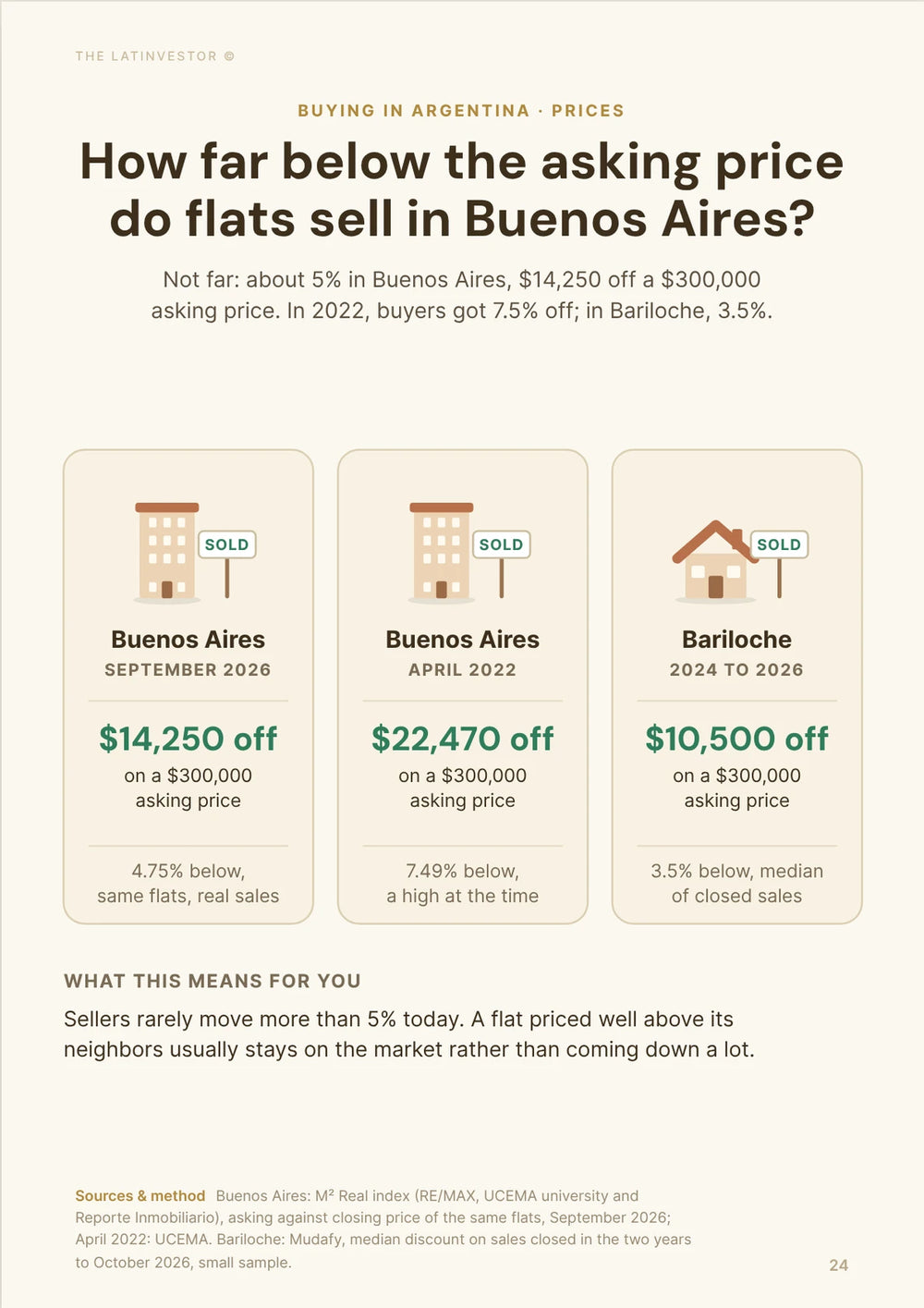
A real fall in dollar prices looks unlikely in the next 12 months. Most Patagonian homes are bought in cash dollars, so there are few forced sellers, and good small units still sell close to their asking price: Mudafy measured a median discount of about 3.5% on Bariloche apartment sales over the last two years.
What can fall is the asking price of stale listings: large houses, remote cabins and homes that need heating or insulation work. On those, 5% to 10% off is a realistic target.
The main risk is credit and income. Mortgage lending dropped 43% in the first seven months of 2026, and the IMF cut its 2026 growth forecast for Argentina from 3.5% to 2.1% in October. If local buyers lose income, the weakest listings will be the first to give way.
Could property prices jump again in Patagonia in 2026?
Asking prices are already rising in Bariloche: the Roomix index shows them up about 17.8% in dollars over 12 months to October 2026, and the TuLugar apartment median moved from USD 2,983 to USD 3,039 per square meter between August and September 2026.
Be careful with that number. It measures what sellers ask, not what buyers pay. In Buenos Aires, where closing prices are measured, they were 0.4% lower in September 2026 than a year earlier. A big part of the Bariloche rise is the strong peso pushing local costs up in dollars, not a rush of buyers.
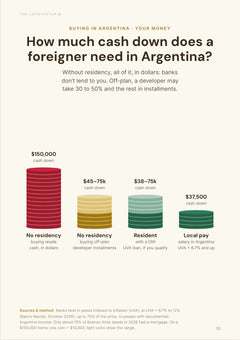
The trigger for a real jump would be cheap mortgages at scale. The state pension fund (FGS) auctioned ARS 200 billion to banks in September and again in October 2026 for home loans. If that money reaches buyers, demand for small flats in Neuquén and Bariloche would rise first. Foreigners with only foreign income have no confirmed access to these loans.
Are we in a buyer or a seller market in Patagonia in 2026?
Mixed. Sellers hold the upper hand on small, warm, well-located flats in Bariloche Centro, Belgrano, Melipal, central Neuquén and Ushuaia. Buyers hold it on big houses, remote cabins and anything above roughly USD 700,000, where few people can pay cash.
Nobody publishes months of inventory or days on market for Patagonia, so we do not quote one. The best proxy is the gap between asking and closing prices: about 3.5% on tracked Bariloche apartment sales. That is a market where you can negotiate, but not one where good units sell at a big discount.
Are homes overpriced, or fairly priced in Patagonia in 2026?
Are homes overpriced versus rents or versus incomes in Patagonia in 2026?
Against rents, prices look roughly fair. A median 2-bedroom flat lists at about USD 215,000 in Bariloche and rents for about ARS 1.58 million a month (USD 1,020): that is about 17.6 years of rent, or a 5.7% gross yield. In Neuquén it is about 18.2 years (5.5%), and in Ushuaia about 14.4 years (6.9%) for a 1-bedroom. Buenos Aires sits at 17.5 years.
Against local incomes, Patagonia is expensive, as most of Argentina is: homes are priced in dollars and salaries are paid in pesos. We found no published price-to-income ratio for Patagonian towns, so we do not quote one.
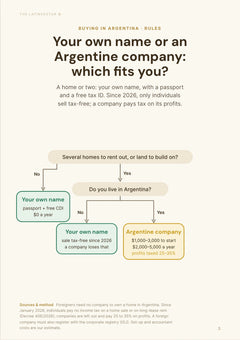
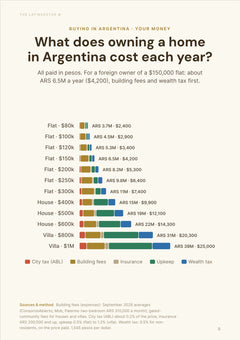
For a non-resident landlord, the yield is lower than it looks. Until a tax adviser confirms the 2026 exemption applies to you, count on a 21% withholding on gross rent, which takes a 5.7% gross yield down to about 4.5% before expensas, repairs, empty months and the yearly wealth tax.
Are home prices above the long-term average in Patagonia in 2026?
There is no long Patagonia price series, so nobody can say by how much prices sit above their trend. What we can say is that Bariloche asking prices are near the top of the national range and rose faster in the last year than in Buenos Aires.
The bigger shift is the peso. From January to September 2026, consumer prices rose about 23.6% while the wholesale dollar rose only about 4.9%. Even if USD list prices stay flat, works, labour, local taxes and services cost a foreign buyer much more in dollars than a year ago.
What local changes could move prices in Patagonia in 2026?
Are big infrastructure projects coming to Patagonia in 2026?
The biggest one is the Vaca Muerta Oil Sur pipeline, which will carry oil from Neuquén to a new export terminal at Punta Colorada, on the Río Negro coast. It was reported past 70% complete at the end of July 2026. It supports jobs and rents in Neuquén, Añelo, Allen and General Roca, where corporate leases already push apartment rents to about ARS 1.53 million a month in Añelo.
The tourist towns get smaller projects. Bariloche's 5.6 km airport access road (Route 80), budgeted at ARS 4,475 million (about USD 2.9 million), is under construction. The Chapelco airport terminal near San Martín de los Andes doubled in size in August 2026, and Ushuaia's port is being modernised before the cruise season. These help access, but they will not change prices on their own.
Are zoning or building rules changing in Patagonia in 2026?
No sudden change, but the old limit stays: in Bariloche, Ushuaia and the Andean lake towns, there is little land that is buildable, serviced, accessible in winter and legally clean. That keeps supply short in the best areas and supports prices there.
In Bariloche, the areas where this bites most are Centro, Belgrano, Melipal, Playa Bonita, Cerro Catedral and the Bustillo road from km 4 to km 8. Before buying a plot, check its allowed use and building parameters lot by lot on Bariloche Construye.
Are foreign-buyer or mortgage rules changing in Patagonia in 2026?
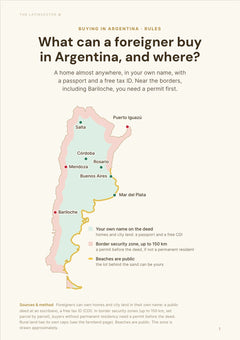
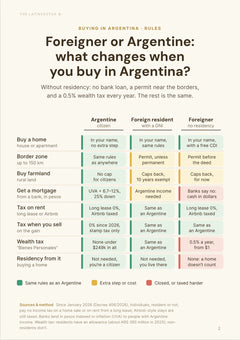
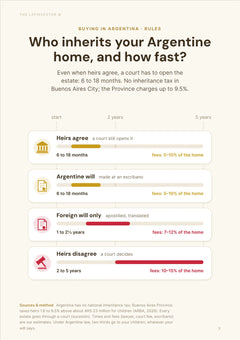
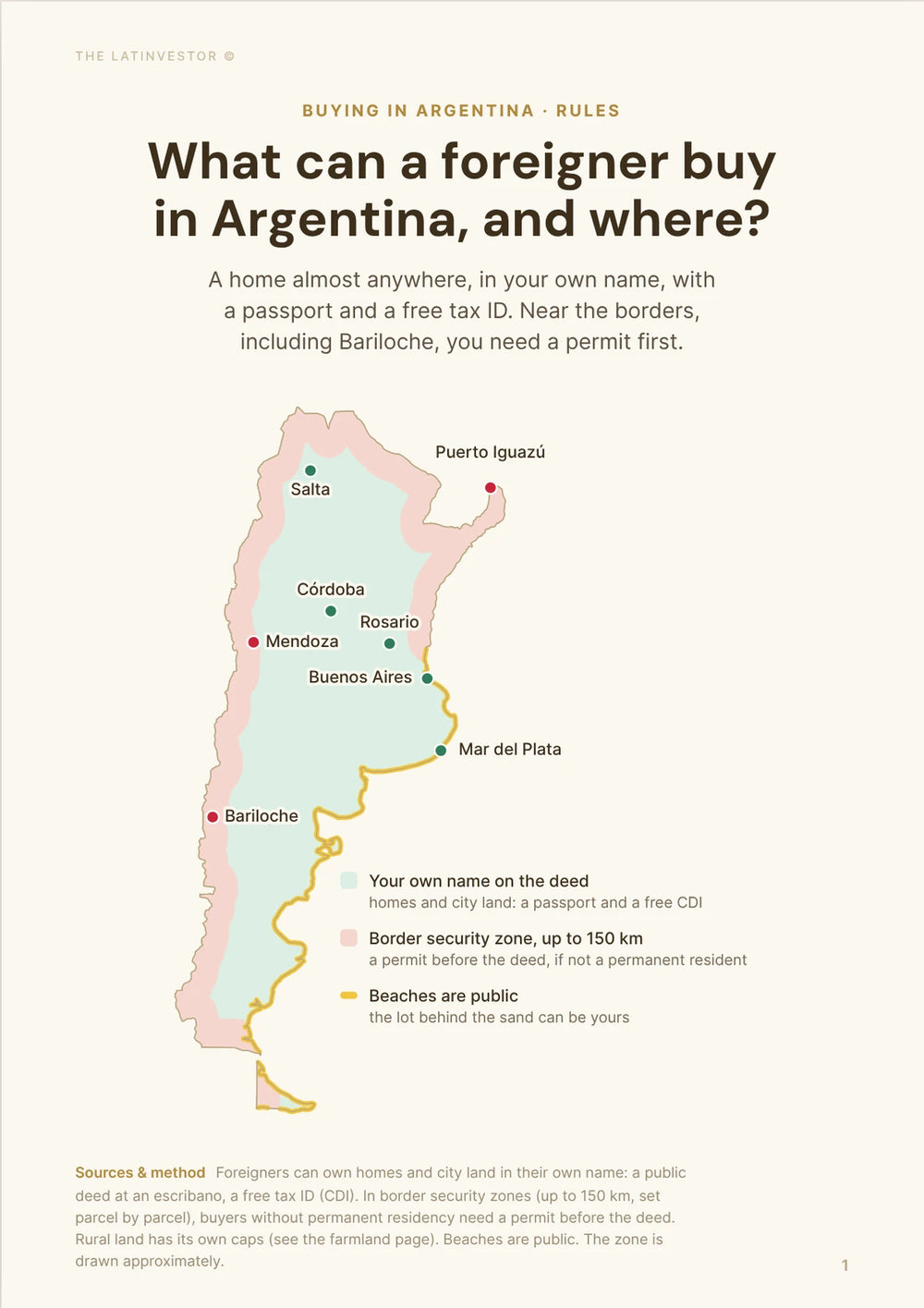
For a flat or a house in town, nothing changed: a foreigner can buy in his own name with a tax ID (CDI), a public deed and registration. Buying gives no residency.
For rural land, it did change. On 9 October 2026, the Supreme Court provisionally suspended the repeal of the rural land law (Law 26.737), in a case that came from Bariloche. The caps on foreign ownership of rural land, including the 15% limits, apply again while the case goes on. Border security zone rules near Chile are separate and still apply.
On mortgages, the change is more money for local buyers through the FGS auctions, with loans capped at UVA + 7.5% over at least 15 years. That can lift demand for modest homes, but not quickly: lending was still 43% lower in January to July 2026 than a year earlier.
Will it be easy to find tenants in Patagonia in 2026?
Is the renter pool growing faster than new supply in Patagonia in 2026?
Long-term rental supply is thin where tourism is strong. In October 2026, Roomix counted about 136 long-term rental ads in Bariloche against 850 homes for sale, and about 426 rental ads in Neuquén. Many owners in the lake towns prefer short stays or keep homes for themselves.
Demand comes from three groups: oil and gas staff in Neuquén and Añelo, tourism workers in Bariloche, the lake towns, Ushuaia and El Calafate, and public-sector families in every provincial capital.
But thin supply does not mean rising rents. Bariloche asking rents were flat over 12 months to October 2026 and Neuquén rents rose 25%, both below 33.4% inflation, so tenants pay less in real terms than a year ago (about 25% less in Bariloche).
Are days-on-market for rentals falling in Patagonia in 2026?
Nobody publishes time-to-let for Patagonia, so we do not give a number. In practice, small heated flats near services in Bariloche Centro, Belgrano, Melipal, central Neuquén and Ushuaia let much faster than remote cabins or big houses.
Timing matters: the best months to sign a lease are March to May and October to November. In January and July, owners in Bariloche earn more from tourists, with Airbnb occupancy near 60% and 56%, against 32% in April.
Tenants ask first about heating bills, winter access, parking and internet. A home that fails on those stays empty longer, whatever the rent.
Are vacancies dropping in the best areas of Patagonia in 2026?
There is no official vacancy rate for any Patagonian town. The low number of long-term ads in Bariloche suggests few good flats sit empty, but we cannot put a percentage on it.
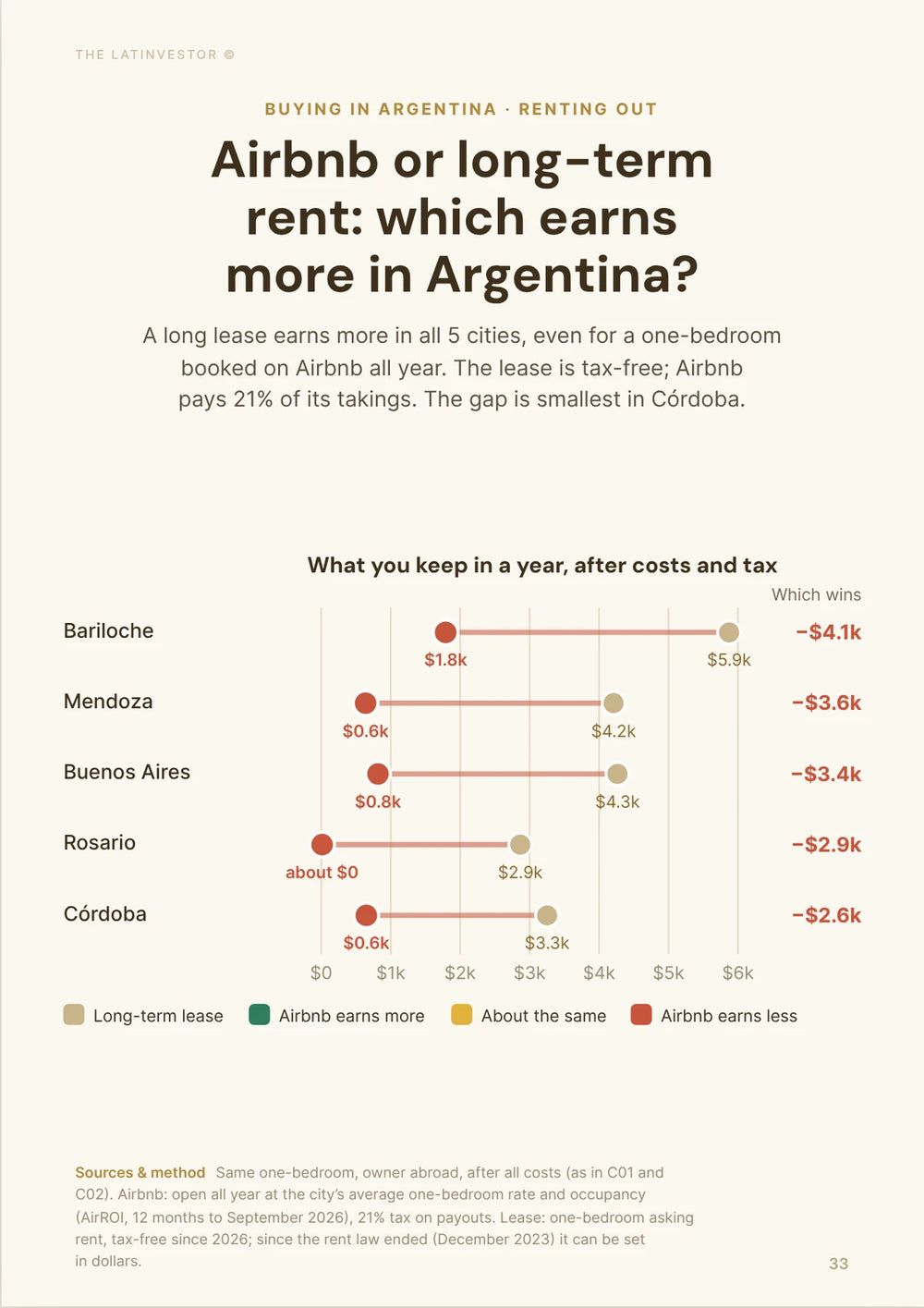
The real competition is short-term rentals. Over the 12 months to September 2026, active Airbnb listings rose about 23% in Bariloche, 52% in San Martín de los Andes, 37% in El Calafate and 17% in Ushuaia. Occupancy stayed modest: about 39.7% in Bariloche, 36% in San Martín de los Andes and 44.7% in Ushuaia. If you plan to rent to tourists, you are entering a crowded market.
Am I buying into a tightening market in Patagonia in 2026?
Is for-sale inventory shrinking in Patagonia in 2026?
Not in numbers: Bariloche alone shows hundreds of homes for sale (about 850 on Roomix in October 2026, many more across all portals). What is short is good stock: warm, legal, well-located flats and compact houses.
Many owners of good homes prefer to rent them out or wait for a strong dollar offer rather than cut the price. So the choice looks wide online, and narrows fast once you filter out overpriced, remote or badly insulated listings.
Are homes selling faster in Patagonia in 2026?
No official selling-time data exists for Patagonia, and reposted ads make listing age unreliable, so we do not quote a number of days. The pattern is clear, though: well-priced small flats in Bariloche, Neuquén and Ushuaia find buyers; big houses and lake properties wait.
The national context is slower, not faster. Mortgage lending was down 43% in January to July 2026, and in Buenos Aires, the only city with reliable deed data, sales were 2.3% lower in January to August 2026 than a year earlier.
Are new listings slowing down in Patagonia in 2026?
We found no count of new listings for Patagonia. Spring and summer, from October to March, are usually the busiest months for viewings and new ads in the tourist towns, so this is the season to compare.
Good new listings are not accelerating, mainly because owners of strong homes would rather keep earning rent in a strong-peso year than sell at a discount.
Is new construction failing to keep up in Patagonia in 2026?
In the best areas, yes. National construction activity was 4.4% lower in August 2026 than a year earlier, and construction costs rose 31.3% in pesos over the 12 months to September 2026, faster than inflation.
In Patagonia, the bottleneck is also land and services: a new home needs roads, water, gas or efficient heating, winter access and a clean building permit. That limits new supply in Bariloche, Ushuaia and the lake towns, and supports the price of good existing homes.
Will it be easy to sell later in Patagonia in 2026?
Is resale liquidity strong enough in Patagonia in 2026?
For the right property, yes. A small flat or compact house that is fairly priced, legally clean, warm and close to services has buyers in Bariloche, Neuquén and Ushuaia, among locals as well as Argentines moving from big cities.
What sells well is year-round usability: heating, insulation, paved access, parking, internet and distance to work or the ski slopes count almost as much as the view. A remote cabin or a large lake house has a much smaller pool of buyers.
Is selling time getting longer in Patagonia in 2026?
For good small homes, not visibly. For overpriced houses, remote cabins and homes with unclear permits or high heating bills, it is: buyers paying cash in dollars have many listings to choose from and walk away from anything that needs costly work.
The one figure we have on how deals close is the 3.5% median discount on Bariloche apartment sales. If your future home needs a much larger cut to sell, you will have bought the wrong property.
Is it realistic to exit with profit in Patagonia in 2026?
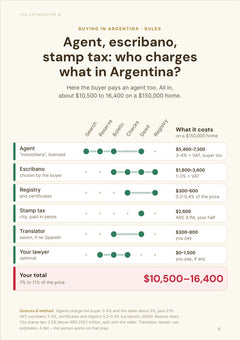
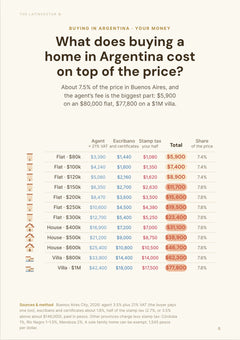
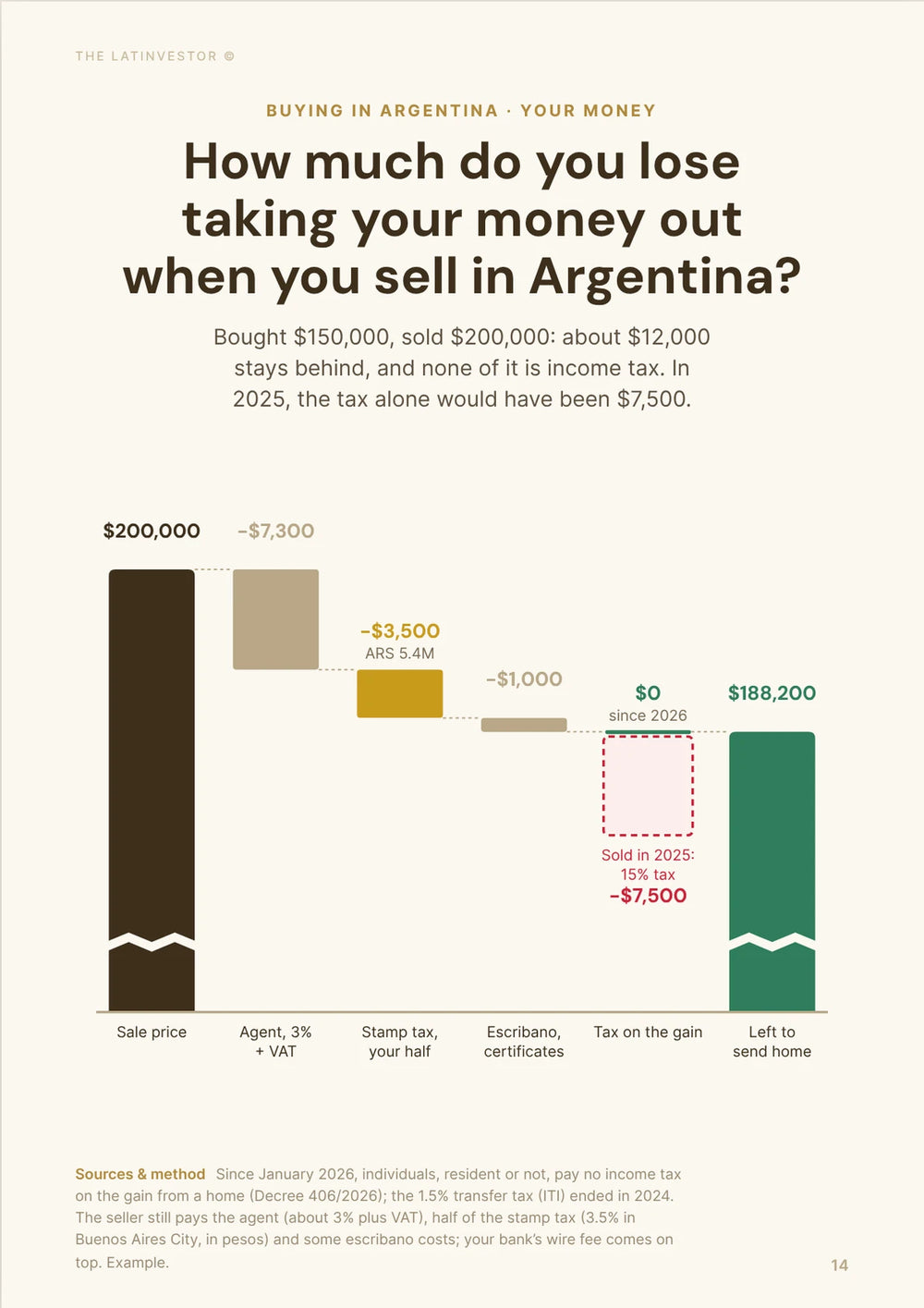
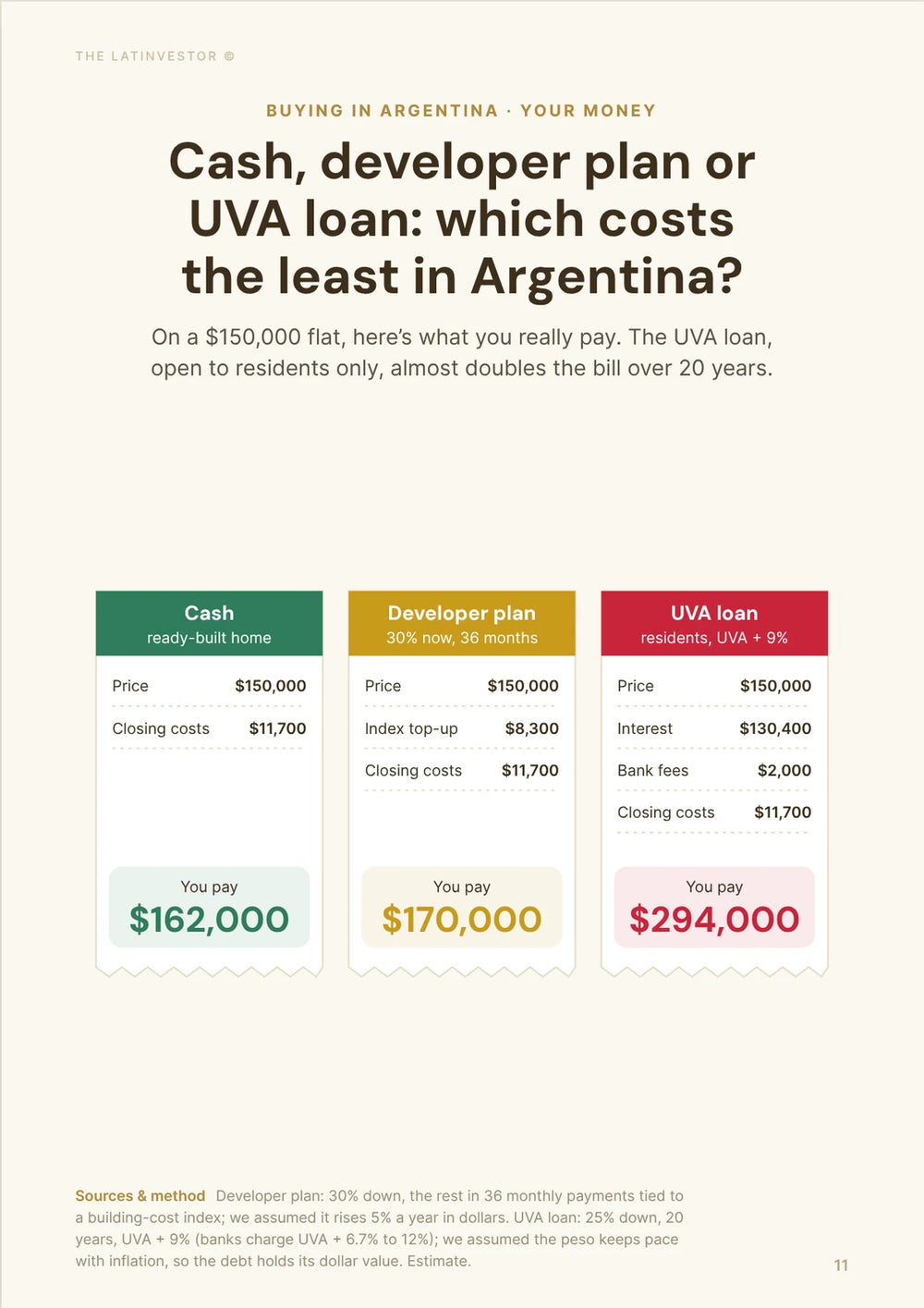
Yes, but not quickly. Buying costs about 5.5% to 9% of the price in Patagonia (stamp tax share, notary, registry and broker), and selling about 4% to 5.5% more (broker fee of 3% to 4% plus VAT, and half the stamp tax). The round trip comes to roughly 10% to 15%.
On a USD 150,000 flat, that is about USD 15,000 to 22,500. With dollar prices that rise slowly, it takes several years before resale covers it, so plan on holding at least 5 years.
The good news: since 1 January 2026, an individual who sells, resident or not, pays no income tax on the gain. To improve your odds, buy 3% to 5% below comparable asking prices on a good unit, more on a stale one, in a location that works for both tenants and future owners.
Is the strong peso a reason to wait before buying in Patagonia?
It is the question many foreign buyers ask in October 2026. The wholesale dollar reached a nominal record near ARS 1,527 on 21 October, yet it rose only about 4.9% since January while prices rose about 23.6%. In dollar terms, Argentina became more expensive this year.
For a home priced in dollars, this matters less than it seems: you pay the USD list price. Where it hurts is everything paid in pesos: works, furniture, local taxes, expensas and heating. A renovation budget set in January is probably too low today.
Waiting for a devaluation is a bet. Economists surveyed by the central bank in September 2026 expect about ARS 1,614 per dollar by end-2026, only about 4% above today. What to do: negotiate in dollars, get works quoted in pesos close to signing, and do not count on the exchange rate to make the deal cheaper.
What do the 2026 tax changes mean for someone buying in Patagonia now?
Two changes help. Since 1 January 2026, individuals, residents and non-residents alike, pay no income tax when they sell a home (Law 27.802 and Decree 406/2026). And the old 1.5% ITI transfer tax was abolished in 2024.
One question is still open. Long-term rents paid to a resident landlord for a tenant's main home are now exempt, but the decree says nothing about non-resident landlords. Until a tax adviser confirms the exemption for your case, count on a 21% withholding on the gross rent. Tourist rentals are not covered by the exemption in any case, and add provincial gross-income tax.
What to do: run your numbers with the 21% withholding and the 0.5% yearly wealth tax that a local representative pays on the property, then treat any confirmed exemption as a bonus.
Our methodology
This article looks at whether now is a good time to buy a home in Argentine Patagonia: price levels and trends, prices against rents, local projects and rules, tenant demand, supply and the cost of selling later. Chilean Patagonia is not covered.
Prices come from the median asking prices of live listings published by TuLugar (Bariloche, Neuquén, Ushuaia, San Martín de los Andes, Villa La Angostura, Esquel) and the Roomix index (Bariloche, Puerto Madryn), cross-checked with Mudafy and PubliqueInmuebles. The asking-to-closing gap comes from Mudafy's Bariloche sales. Rents come from the Reporte Inmobiliario survey published by La Nación and from Roomix; short-term rental figures from AirROI. Yields and price-to-rent ratios are our calculation from these medians.
Rules and costs come from the Río Negro 2026 stamp-tax schedule, Roomix for closing costs, Decree 406/2026, Estudio Piccinini for the tax on non-residents' rents and Chequeado for the rural land ruling. National context comes from INDEC, Tejido Urbano and CPAU for mortgages, and the M² Real survey for Buenos Aires closing prices. Projects come from provincial and municipal government releases.
We checked these figures in October 2026. Peso amounts are converted at about ARS 1,550 per US dollar (official and MEP rates were within 1% of each other on 22 October 2026, the blue rate about ARS 1,570), and euro amounts at about ARS 1,740 per euro.
Where we had no direct figure, we said so: there is no Patagonia-wide price index, no published vacancy rate, days on market, months of inventory or price-to-income ratio, and no deed count for Patagonian towns. The buyer/seller reading and the negotiation targets on stale listings are our own judgement. Asking prices are not deed prices.
Key sources used for this analysis include TuLugar Bariloche, TuLugar Neuquén, TuLugar Ushuaia, Roomix Bariloche, Roomix Neuquén, Mudafy, La Nación, AirROI, Reporte Inmobiliario M² Real, Tejido Urbano, Río Negro stamp tax 2026, Decree 406/2026, Chequeado, INDEC Censo 2022, INDEC building permits, INDEC inflation, Banco Central de la República Argentina, Río Negro Statistics Office, Bariloche Urban Code, Bariloche Construye, Noticias NQN, Río Negro government and Infobae.