Summary
Yes, Mérida is one of the safest places in Mexico to buy: only 38.2% of residents said they felt unsafe in mid-2026, against 59.8% nationally. The real risks are on paper, not in the street.
Crime is low but not zero. Yucatán opened 33 homicide investigations in all of 2025, yet crime reports in Mérida rose 37.9% in January 2026 compared with a year earlier.
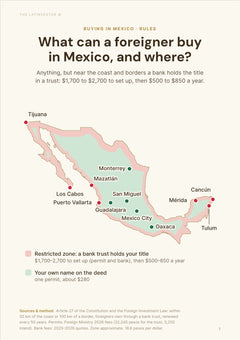
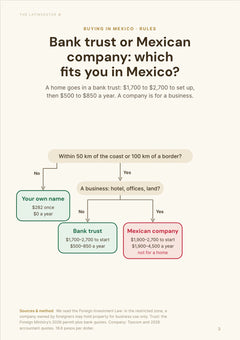
You can't own a home in Mérida in your own name: the city is within 50 km of the coast, so every foreign buyer goes through a bank trust (fideicomiso), with an SRE permit of MXN 21,650 (about USD 1,160).
If something goes wrong, don't count on the courts: Mexico ranks 121st out of 143 countries in the World Justice Project's 2025 Rule of Law Index. Build the deal so you never need to sue.
Property fraud is a real business here. Mérida's notaries counted 197 real estate fraud cases in a single year, from fake powers of attorney and forged deeds to people posing as owners.
Land and pre-sales carry the most risk. Real estate firms top the list of consumer complaints in the Mérida area, and a cheap lot (the median asking price is about USD 92,000) is where ejido and "ghost land" problems hide.
Check title, liens and predial through the registry and the city portals yourself, with the notary, before any deposit. Never trust a scanned deed.
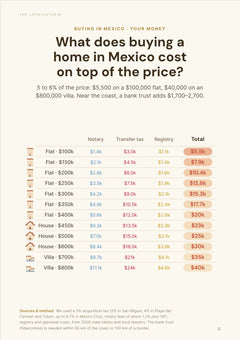
The biggest hidden cost is the ISAI transfer tax, which is progressive: about 3.18% on a MXN 2.5 million home. The trust adds roughly USD 550 to USD 800 to open and USD 550 to USD 700 a year.
Agents need a state license since 2026, but by August only 130 people had the full license. Ask for the number.
The fast-growing north has a new problem: power cuts and water outages in 2026, including in Altabrisa and Montecarlo. Check the house's cistern and backup power before you buy.
For older homes, hire an engineer and a surveyor: moisture, patched wiring and extensions that don't match the cadastral plan are the usual hidden defects.
Bottom line: Mérida is safe to live in and safe to buy in if the notary, not the agent, runs the checks, and if you walk away from any lot or pre-sale that is "about to be regularized."

How safe is Mérida day to day in 2026?
Very safe by Mexican standards. In INEGI's urban security survey for the second quarter of 2026, 38.2% of adults in Mérida said they felt unsafe living in their city, against 59.8% nationally, which keeps Mérida among the 15 cities with the lowest fear of crime.
Violent crime is rare. Yucatán closed 2025 with 33 homicide investigations for the whole state, about 0.1% of the national total, and only 3 in the first weeks of 2026. Car theft in Mérida was the lowest of all state capitals in January 2026.
The trend deserves a look, though. Crime reports filed in Mérida rose 37.9% in January 2026 compared with January 2025 (from 195 to 269), while they fell 4.7% nationally. Violence is still rare, but the city's fast growth is showing up in the numbers.
What to do: don't pay extra for "security" alone. A gated community in the north and a well-chosen street in Centro are both fine. Spend your attention on the title, the land and the services instead, which is where buyers actually lose money here.
What do you actually own as a foreigner in Mérida, and how protected is it?
Can foreigners legally own property in Mérida in 2026?
Yes, but not in their own name. Mérida sits within 50 km of the Gulf coast, inside Mexico's constitutional restricted zone, so a foreign individual buys a home in the city through a bank trust called a fideicomiso. The same goes for the beach towns nearby, like Progreso, Chelem or Chicxulub.
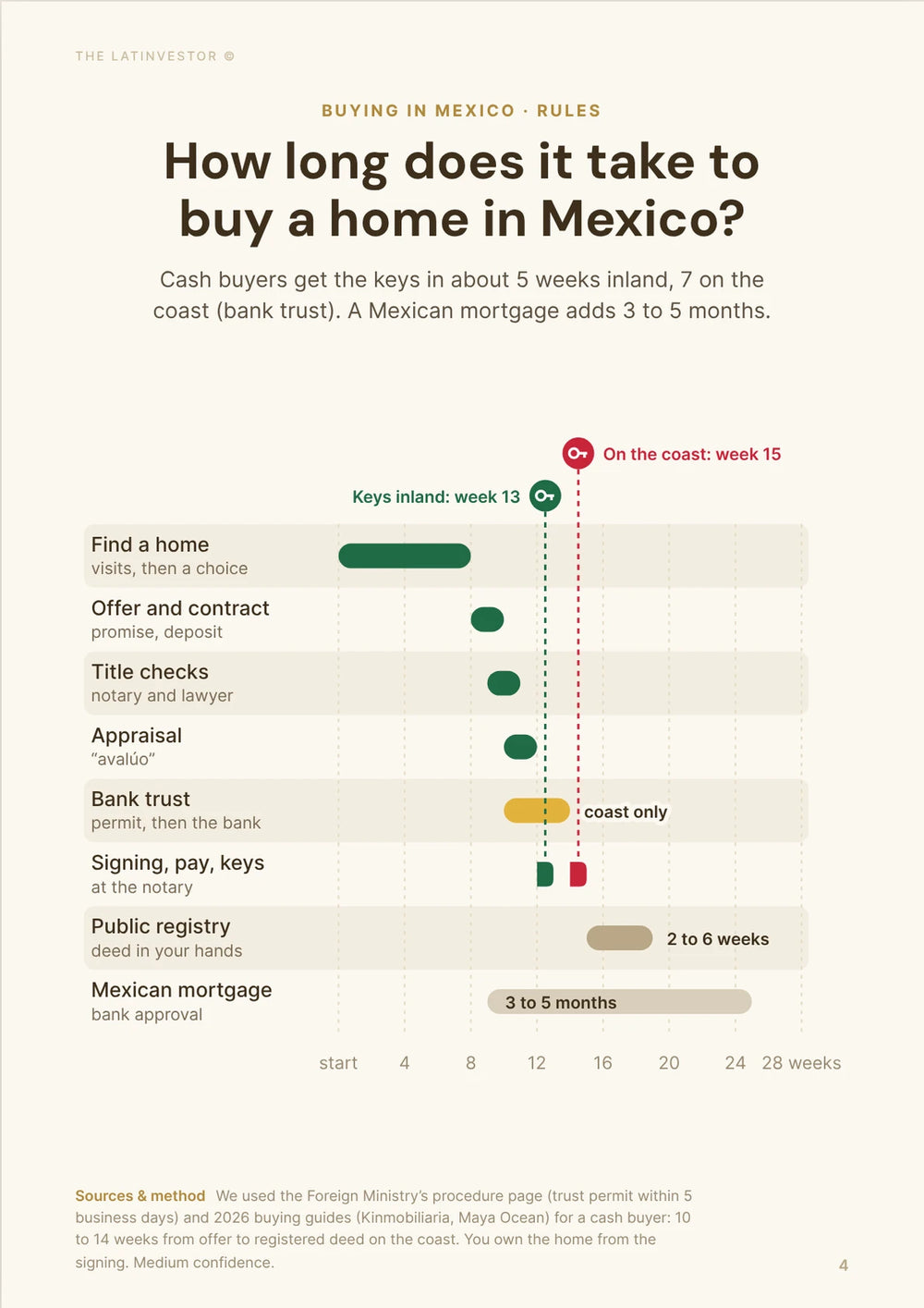
The trust needs a permit from Mexico's Foreign Ministry (SRE), which costs MXN 21,650 (about USD 1,160). A Mexican bank holds the title while you keep the right to use, rent out, sell and pass on the property, for up to 50 years, renewable.
Watch out for agents or older guides who say Mérida is "outside the restricted zone" and that you can buy directly. That's wrong, and a deal set up that way won't register.
What buyer rights do foreigners actually have in Mérida in 2026?
Once the purchase is signed before a notary and recorded in the Yucatán property registry, a foreign buyer has the same practical rights as a Mexican owner: sell, rent, renovate and name heirs, all through the trust.
If a seller breaks a contract, you can go to court, but your real protection is the registration with the state's Registro Público de la Propiedad y Comercio. That record is hard to dispute.
What you don't have: any protection for verbal promises or informal deals. Mexican property law protects what is written in notarized documents and recorded in the registry, nothing else.
How strong is contract enforcement in Mérida right now?
It works, but it's slow and hard to predict. Mexico ranks 121st out of 143 countries in the World Justice Project's 2025 Rule of Law Index, and it has kept falling in recent editions.
A lawsuit can take years. So don't plan on "I'll sue if something goes wrong." Plan on a deal where nothing can go wrong: notary-led checks, official registry certificates, and money that only moves through controlled channels.
Which scams are hitting property buyers in Mérida right now?
Are scams against foreigners common in Mérida right now?
More common than Mérida's safe image suggests. The Colegio Notarial de Yucatán counted 197 real estate fraud cases in Mérida in the year to March 2025, and named the north of the city as one of the hotspots.
Real estate services also top the list of consumer complaints at PROFECO's office for the Mérida area: 11 firms gathered 21 formal complaints in the first half of 2025 alone, mostly for land that was paid for and never delivered.
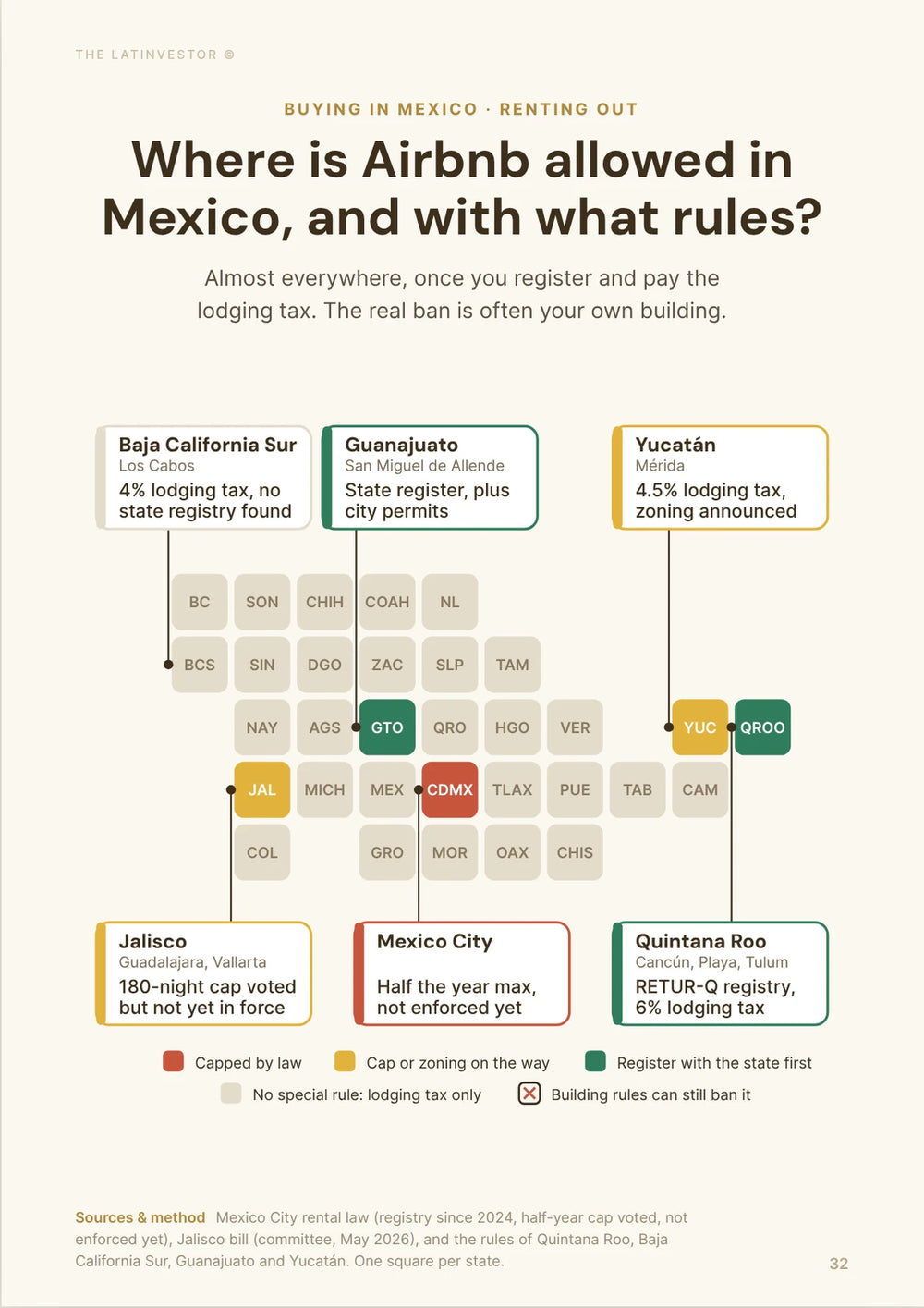
The most targeted deals are lots on the city's fast-growing edges, around Cholul, Conkal and Temozón Norte, where ejido status and missing permits create confusion. The most targeted buyer is remote, doesn't speak much Spanish, trusts one agent and feels rushed.
The clearest warning sign: anyone who discourages you from getting registry certificates or bringing in a notary early. Legitimate sellers welcome checks.
What are the top three scams foreigners face in Mérida right now?
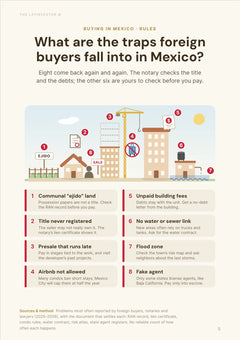
Ejido land traps (you pay for land that was never converted to private ownership), pre-sale projects without proper permits, and fake sellers (forged documents or a fake power of attorney, then the deposit disappears).
The ejido trap usually goes like this: a "great value" lot in Cholul or Conkal, confident lines like "it's about to be regularized" or "everyone does it this way," pressure to deposit fast, and months later you learn the land can't legally be transferred.
The fix for all three: check land status with the Registro Agrario Nacional before any deposit, confirm development permits on Mérida's municipal portal before signing a pre-sale, and let the notary check the seller's identity and ownership before any money moves.
Is it safe to buy a pre-sale in Mérida with prices up 11%?
Only with a developer you can check and a contract that protects you. Prices around Mérida rose about 11% in a year, and with more than 12,800 homes on offer in the metro area, plenty of projects are selling off plans to fund construction.
When it goes wrong, it looks like this case filed in January 2026: a buyer in Chichí Suárez paid a reservation, a down payment and monthly installments on a MXN 2.15 million house (about USD 116,000), saw no work for over a year, then found the land was mortgaged to a third party.
What to check before signing: that the land is in the developer's name and free of mortgages (registry certificate), that the construction license and land-use approval exist, that the contract is registered with PROFECO, and that your payments go to an escrow or the project's trust, not a personal account. Tie payments to construction stages, not to dates.
How do you check the seller and the title in Mérida without getting fooled?
How do I confirm the seller is the real owner in Mérida?
Get a "certificado de libertad de gravamen" (ownership and liens certificate) straight from the Yucatán property registry, then have the notary match the seller's ID to the registered owner before any money moves.
The file that matters is the property's record at the Registro Público de la Propiedad y Comercio del Estado de Yucatán: legal owner, boundaries, and any liens.
The classic trick is a scanned PDF of the deed ("escritura") shown as proof. Scans are easy to alter, so only trust what comes from the registry. Fake owners also put "for sale" signs on abandoned houses, which is one of the patterns Mérida's notaries flag.
Where do I check liens or mortgages on a property in Mérida?
At the Registro Público de la Propiedad y Comercio del Estado de Yucatán, which records mortgages, court judgments and other claims.
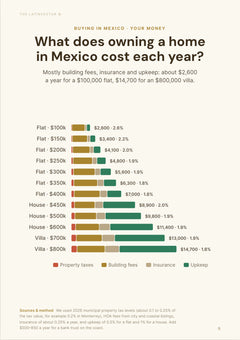
Ask for the lien certificate, and check the predial (property tax) account separately on Mérida's official predial portal, because unpaid predial stays with the property, not the seller.
Predial is the lien foreign buyers miss most, because it sits in a separate city system. Ask for no-debt letters for water and the HOA too.
How do I spot forged documents in Mérida right now?
You mostly can't by looking at them. The most common forgery in Mérida is a fake or altered power of attorney ("poder notarial"), and fraudsters have even set up fake notary offices, so treat any sale signed by a representative instead of the owner with extra care.
Watch the behavior instead: a seller who keeps the notary out, resists certificate requests, or wants a deposit before the checks are done.
Have your own notary pull the registry certificates directly, rather than accepting papers "provided by the agent," and check that the notary is real with the Colegio Notarial de Yucatán.
What "grey-area" practices should you watch for in Mérida?
What hidden costs surprise foreigners when buying a property in Mérida?
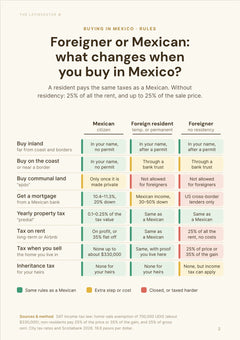
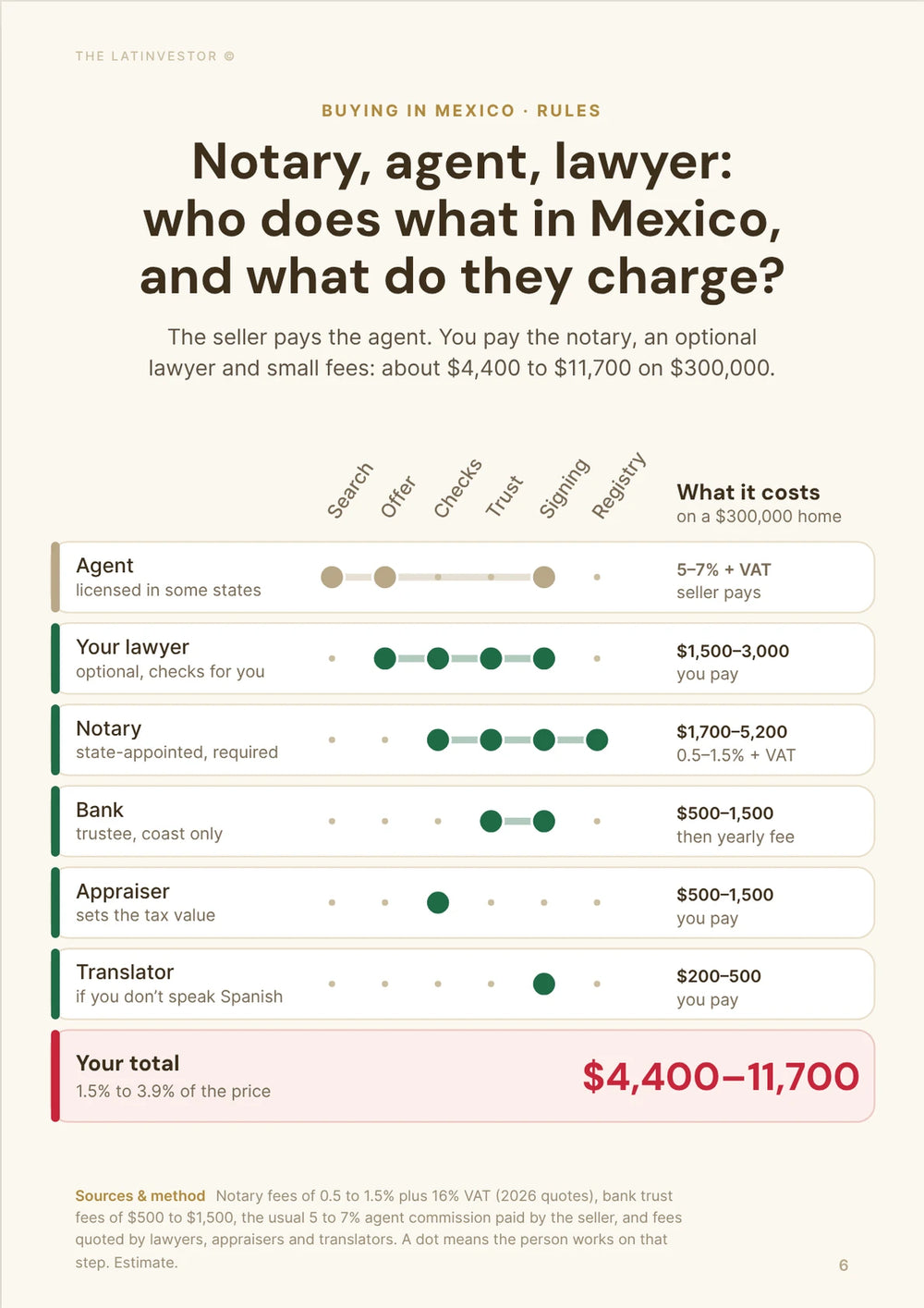
Three of them. First, the ISAI transfer tax, which is progressive: 2.5% on the first MXN 800,000, 3.5% up to MXN 3 million and 4.5% above that. On a MXN 2.5 million home (about USD 134,000) it works out to about 3.18%, or MXN 79,500 (about USD 4,270).
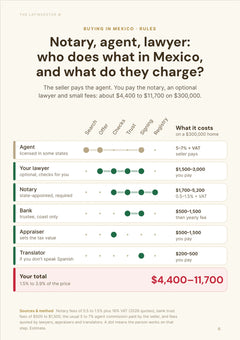
Second, notary fees of about 0.5% to 1.5% of the price, plus registry rights and certificates. Third, fixing a property whose registered boundaries don't match what's on the ground. All in, budget 6% to 9% of the price for closing costs.
The cost agents most often play down is the bank trust, which every foreign buyer in Mérida needs, not just those on the coast: about USD 550 to USD 800 to open it at the bank, plus the MXN 21,650 SRE permit, then about USD 550 to USD 700 every year.
Are "cash under the table" requests common in Mérida right now?
Not universal, but expect some sellers or middlemen to test whether you'll declare a lower price, especially on older homes or with motivated sellers.
The pitch is always "it saves us both money" or "you'll pay less ISAI this way."
Say no. You'd risk a tax fraud case, a weaker position in any dispute (the registered price isn't what you paid), and a bigger tax bill when you sell, because your gain is calculated from the lower declared price.
Are side agreements used to bypass rules in Mérida right now?
Fairly often, especially in pre-sales and in land deals where the legal status isn't settled yet. A hot market pushes people to "lock in" a deal before the paperwork is done.
The usual form is a "contrato de promesa" (promise contract) with clauses like "the seller will regularize the ejido status before closing" or "permits will come within six months." Those clauses put all the risk on you.
If it falls apart, the deal can be voided, leaving you without the property and maybe without your money. With ejido land, you may have no legal recourse at all, because the sale was never valid.
Can you trust real estate agents in Mérida now that they need a license?
Are real estate agents regulated in Mérida in 2026?
Yes, on paper. Since 2026, anyone selling or renting out property for others in Yucatán needs a state license from INSEJUPY, under the new Ley del Registro Estatal de Asesores Inmobiliarios.
In practice, most aren't there yet. By August 2026, 1,272 people had signed up, 638 had done the first training phase and only 130 held the full license. So many of the people showing you houses still aren't licensed.
What to do: ask for the license number and check it with INSEJUPY, make sure it appears on the contract and the ads, and favor agents who push for notary checks and can explain the SRE trust permit without hesitation.
What agent fee is normal in Mérida in 2026?
Usually 5% to 8% of the sale price, plus VAT, and the seller pays it.
The lower end is for expensive properties or repeat clients; there's some room to negotiate on Centro colonials and Montebello homes, where competition between agents is strong.
As a buyer you don't pay a commission unless you sign your own deal with a buyer's agent, but it's built into the asking price. Get any fee arrangement in writing before you start.
Can Mérida's water and power keep up with all the new homes?
Not everywhere, not yet. In 2026, Mérida has had repeated power cuts and water outages, and local builders blame demand growing faster than the grid, driven by people moving in from other states and abroad.
The north, where most foreigners buy, has been hit too. In May 2026, a power failure stopped the Montecarlo water system and left parts of Altabrisa, Montecarlo and Vista Alegre with low pressure or no water, while a separate problem at another plant affected 43 neighborhoods in the west and southwest. CFE says it has invested more than MXN 600 million in the state, but there's no firm date for the fix.
What to do: ask the seller or developer whether the house has a cistern and a rooftop tank, and how big; budget for a pump and a backup power option; ask neighbors how often supply drops, especially in May, the hottest month; and for a new development, get written proof that water and power connections are approved, not just "in process."
What due diligence actually prevents disasters in Mérida?
What structural inspection is standard in Mérida right now?
There's no standard home inspection like in the US. You hire an independent civil engineer or architect yourself.
Have them check roof waterproofing and drainage (the rainy season is hard on flat roofs), moisture and rising damp in walls, plumbing and water pressure, electrical capacity and grounding (especially in older Centro homes), and the septic or sewer connection.
Ask for their "cédula profesional" number to check their credentials.
The usual findings: moisture damage in renovated historic homes, undersized or ungrounded wiring, and plumbing that's been patched instead of replaced.
How do I confirm exact boundaries in Mérida?
Get the cadastral records from the Dirección de Catastro Municipal and compare them with what's on the ground. Fences and walls often don't match the legal boundaries.
The official references are the cadastral plan ("plano catastral") and the registry file, which your notary should match against the deed.
The common trap: unpermitted extensions or subdivided family lots, where what you're shown isn't what's registered. It's frequent in García Ginerés and Itzimná, where older homes have been modified over decades.
Hire a licensed surveyor ("topógrafo") to measure the property and flag any gap with the cadastral records before you sign.
What defects are commonly hidden in Mérida right now?
Moisture and waterproofing failures under fresh paint (very common), unpermitted extensions that don't match the cadastral records (common), and quick electrical or plumbing fixes in older Centro and Itzimná homes (common).
To catch them: use a moisture meter on walls near bathrooms, kitchens and flat roofs, test water pressure on every tap, check the electrical panel, and compare the house with its cadastral plan.
What do foreigners say they got wrong after buying in Mérida?
What do foreigners say they did wrong in Mérida right now?
Trusting the agent's confidence instead of demanding registry certificates and notary checks before paying a deposit.
The top three regrets: paying a deposit before title and liens were confirmed (sometimes money was lost), underestimating ejido risk in growing areas like Cholul and Temozón Norte, and rushing out of fear of losing the property to another buyer.
The advice experienced buyers give most: pick your notary early and let them run the checks, not the agent.
The costliest mistake: buying a promise of "future legality," whether ejido regularization, pending permits or pre-sale guarantees, that never came.
What do locals do differently when buying in Mérida right now?
Locals choose the notary first and let the notary drive the checks. Foreigners often let the agent run things and only meet the notary at signing.
Locals also check the cadastral match at the Catastro office, especially for homes with additions or on subdivided family lots, a step foreigners often skip.
And they know which areas have ejido or permit issues (parts of Cholul, Conkal and around Temozón Norte). They negotiate hard on those properties or walk away.
Our methodology
This article looks at how safe it is to buy property in Mérida as a foreigner: personal safety, legal ownership, fraud, hidden costs, agents, city services and the condition of the home itself.
For safety, we used official data first: INEGI's urban security survey (ENSU) for the second quarter of 2026 and SESNSP crime figures, as reported by local press. For fraud, we used figures from the Colegio Notarial de Yucatán and PROFECO complaint data, plus documented 2026 cases. For prices and the market, we used Tinsa data reported by El Economista and TuLugar listing medians.
For the rules, we relied on Mexico's Constitution and Foreign Investment Law, SRE's trust permit pages, the Yucatán property registry, Mérida's ISAI schedule and cadastral portals, the RAN and the Procuraduría Agraria for ejido land, and INSEJUPY for the 2026 agent license.
We checked these figures in October 2026. Conversions use about 18.6 pesos per US dollar and 20.9 pesos per euro.
Limits: fraud and complaint counts only cover reported cases, crime files are not the same as victims, and listing prices are asking prices, not sale prices. Agent fees and the scam patterns we describe come from market practice and buyer feedback, not an official dataset.
Key sources used for this analysis include Mexico's Constitution, SRE's fideicomiso permit page, the Yucatán Registro Público, Mérida's ISAI schedule, the Registro Agrario Nacional, the World Justice Project, Transparency International, the SHF house price index, PROFECO, INSEJUPY, INEGI's ENSU results, El Economista, Homia and TuLugar.